

Spring on a Board: A Seasonal Shift
A charcuterie board that reflects the season feels satisfying. After winter's hearty flavors, spring calls for a lighter approach. We crave fresh produce, delicate herbs, and cheeses that aren't too heavy. The board should celebrate renewal.
This year, I'm anchoring a spring board with Camembert and Romano. It might seem like an unusual pairing – one a creamy, bloomy-rind cheese, the other a sharp, salty grating cheese. The contrast is fantastic. They create a dynamic interplay of flavors and textures perfect for the season.
Spring produce drives this pairing. We move from root vegetables to bright greens, sweet berries, and tender shoots. These flavors need cheeses that complement without overpowering. Camembert and Romano, paired thoughtfully, do just that. They complement a wide range of spring offerings.
This combination has been surprising. It's not about sticking to 'traditional' pairings; it's about finding what tastes good and makes you happy. Camembert and Romano are a delightful pairing.
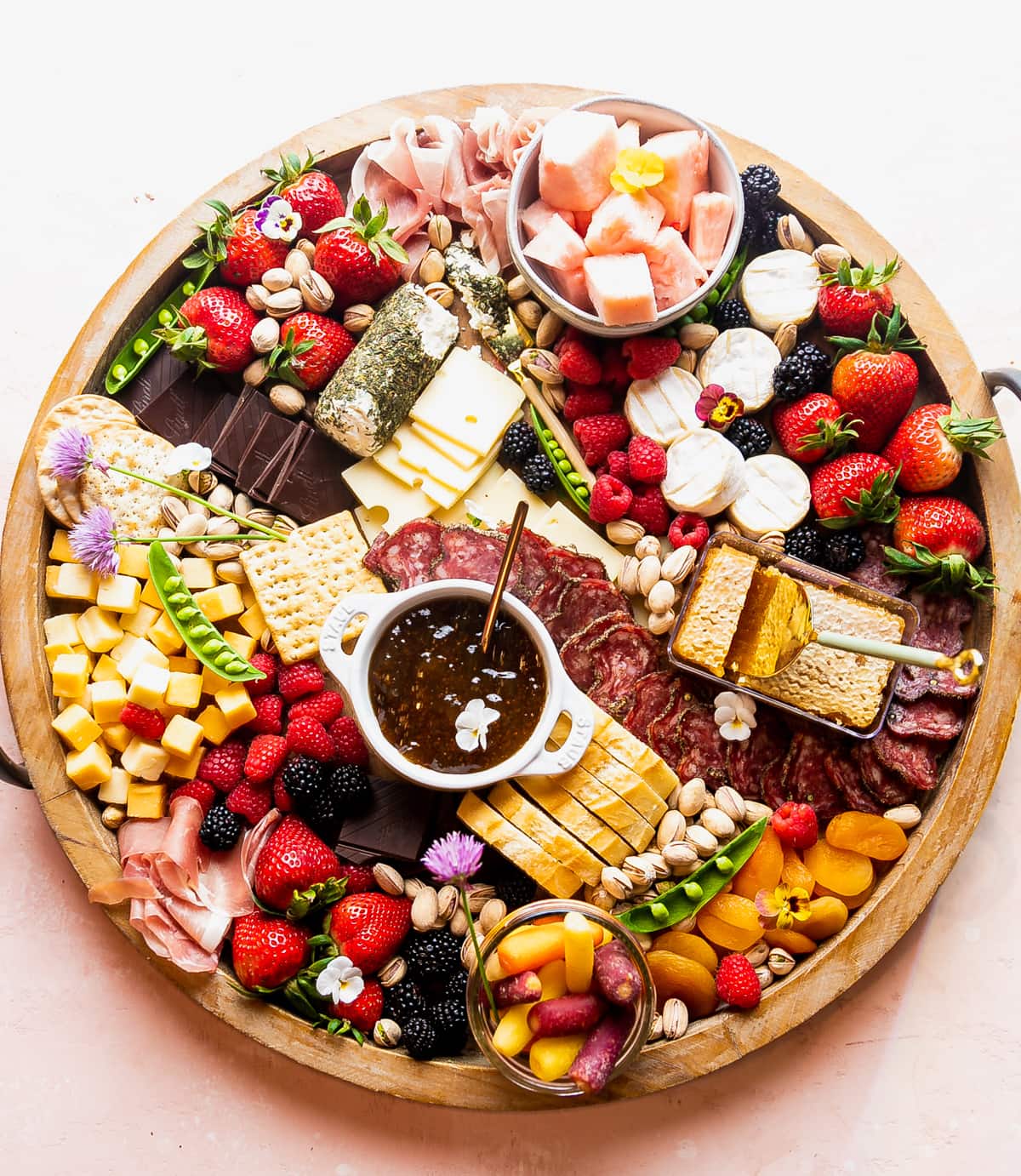
Camembert's Spring Awakening
Camembert has a fascinating history, originating in Normandy, France, in the late 18th century. It became a beloved staple. Its flavor profile is complex – earthy, mushroomy, buttery, with a hint of sweetness. The texture is equally appealing, ranging from soft and yielding to runny as it ripens. It appeals to the senses.
Camembert's creamy texture and mild flavor make it versatile for spring pairings. It invites other flavors rather than demanding attention. It's a good base for building layers of taste, allowing seasonal produce nuances to shine. Consider it a canvas for culinary creativity.
There's variation within Camembert. Pasteurized versions are generally more consistent, while raw milk Camemberts offer more complex flavor. The milk source also plays a role, with some Camemberts exhibiting more pronounced earthy notes. A slightly runny Camembert adds another dimension of indulgence.
When selecting Camembert, look for a wheel that feels slightly soft but isn’t overly squishy. The rind should be a pale, bloomy white. A slight ammonia-like smell is normal, indicating proper ripening. Letting it get very ripe brings out the peak flavors. A Camembert ripened for a few extra days develops a beautiful, almost caramelized flavor.
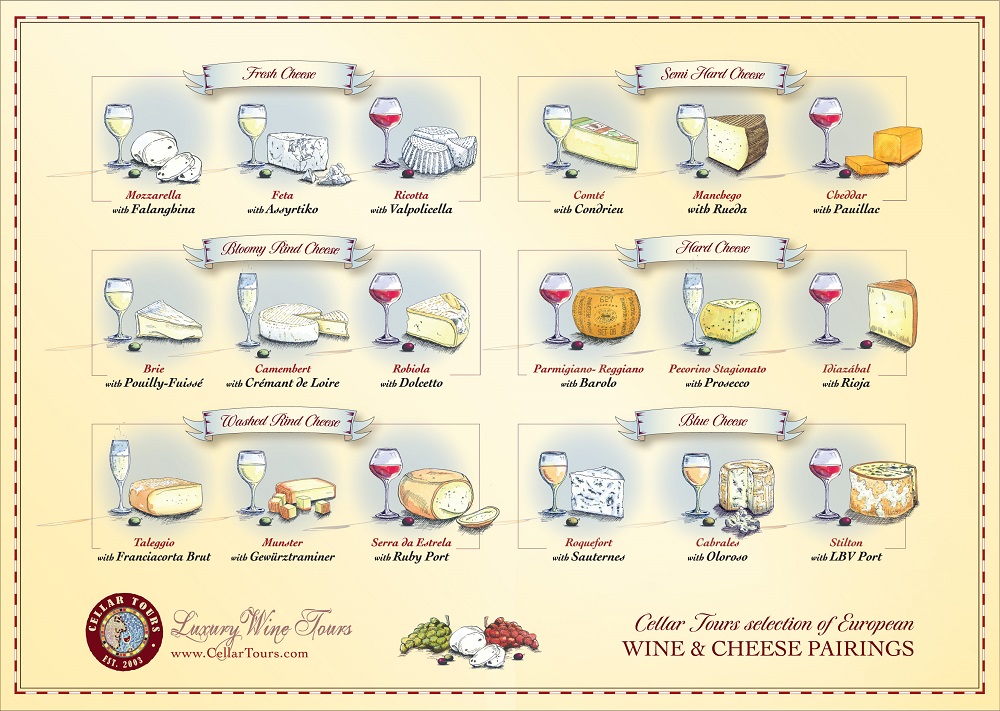
Cheesemongers at Antonellischeese.com suggest pairing Camembert with lighter-bodied wines. A crisp Sauvignon Blanc or a dry Rosé cuts through the richness of the cheese, creating a harmonious balance.
- Check the expiration date: Ensure the Camembert is within its prime.
- Assess the texture: Gently press the wheel – it should yield slightly.
- Smell the cheese: A slight ammonia aroma is a good sign of ripening.
- Look for a bloomy rind: The rind should be white and slightly fuzzy.
Romano: Beyond the Grater
Romano is often relegated to a simple grater – sprinkled over pasta or added to salads. This hard, salty cheese has a rich history dating back to ancient Rome, originally made from sheep’s milk. The name comes from the word "Roman," highlighting its origins.
Romano's sharp, pungent flavor and firm texture set it apart. It's a bold cheese, and its saltiness provides a contrast to sweeter or milder flavors. It works well with creamy Camembert – cutting through the richness and adding a bite.
It's important to distinguish between Pecorino Romano and other Romano-style cheeses. Pecorino Romano must be made from 100% sheep’s milk, while some other Romano cheeses may incorporate cow’s milk. This difference in milk source impacts flavor and texture. True Pecorino Romano has a more complex flavor.
Romano is often underestimated. People tend to think of it as a one-dimensional cheese, but it has depth and complexity. When tasted on its own, you'll notice subtle notes of grass and lanolin, alongside the characteristic saltiness. It rewards careful attention.
Culturecheesemag.com offers insight into pairing cheeses based on seasonality, and Romano’s boldness makes it a good fit for spring produce.
The Spring Pairing Philosophy
Pairing Camembert and Romano in spring relies on balance. Camembert provides the creamy base, while Romano offers a sharp, salty counterpoint. It's a classic contrast. Sweet and savory, soft and firm – these opposing forces create a dynamic flavor experience.
Acidity is a key element in spring cuisine and plays a role in this pairing. The bright, tangy flavors of spring produce – strawberries, rhubarb, or pickled asparagus – complement both cheeses. The acidity cuts through the richness of the Camembert and balances the saltiness of the Romano.
Seasonal ingredients are the stars and should be allowed to shine. The cheeses should enhance the produce flavors, not overpower them. Aim for harmony, where each element complements the others.
undefined both delicious and visually appealing.
Flavor Profile Balance: Camembert, Romano, and Spring Produce
| Flavor Element | Camembert | Romano | Spring Produce (e.g., Asparagus, Peas) |
|---|---|---|---|
| Sweetness | Low | Very Low | Medium (varies by vegetable) |
| Saltiness | Low-Medium | High | Low (can be enhanced with seasoning) |
| Acidity | Medium-Bright | Low | Medium-Bright (especially with rhubarb or green garlic) |
| Bitterness | Very Low | Low | Low-Medium (some spring greens) |
| Umami | Medium-High | Medium | Medium (enhanced in peas and certain mushrooms) |
Illustrative comparison based on the article research brief. Verify current pricing, limits, and product details in the official docs before relying on it.
Produce Pairings: Spring's Best Friends
Let’s get specific with produce pairings. Strawberries are a natural partner for both Camembert and Romano. The sweetness of the berries contrasts beautifully with the saltiness of the Romano, while the Camembert provides a creamy backdrop. A drizzle of balsamic glaze elevates the pairing even further.
Asparagus, with its slightly grassy and bitter notes, also works surprisingly well. The Romano’s saltiness enhances the asparagus’s flavor, and the Camembert adds a touch of creaminess. Grilled or roasted asparagus is particularly delicious.
Radishes offer a peppery bite that cuts through the richness of the Camembert. Their crisp texture provides a welcome contrast to the cheese’s softness. Thinly sliced radishes, tossed with a little olive oil and salt, are a simple yet elegant addition to the board.
Peas, whether fresh or frozen, add a touch of sweetness and freshness. They pair particularly well with the Camembert, creating a delicate and flavorful combination. A sprinkle of mint adds a bright, herbaceous note.
Artichokes, with their slightly bitter and earthy flavor, are another excellent choice. Marinated artichoke hearts, paired with Romano, are a classic Mediterranean combination. The Camembert adds a touch of creaminess to balance the flavors.
According to culturecheesemag.com, the key to spring pairings is to focus on fresh, seasonal ingredients, and these options certainly fit the bill.
- Strawberries: Sweetness contrasts with Romano’s saltiness.
- Asparagus: Romano enhances the grassy flavor, Camembert adds creaminess.
- Radishes: Peppery bite cuts through Camembert’s richness.
- Peas: Sweetness complements Camembert’s creaminess.
- Artichokes: Romano balances the bitter flavor, Camembert adds creaminess.
Spring Produce Pairings
- Strawberries - The bright acidity of fresh strawberries cuts through the richness of Camembert, while the slight saltiness of Romano provides a surprising counterpoint. The sweetness complements both cheeses beautifully.
- Asparagus - Blanched or grilled asparagus offers a subtle, grassy flavor that pairs wonderfully with the earthy notes of Camembert. A dusting of grated Romano adds a savory umami element.
- Radishes - Thinly sliced radishes provide a peppery bite that contrasts nicely with the creamy texture of Camembert. Romano’s sharpness balances the radish’s intensity.
- Pea Shoots - The delicate sweetness of pea shoots complements the bloomy rind of Camembert, and their fresh flavor is enhanced by a sprinkle of Romano. They add a vibrant green color to the board.
- Rhubarb - Rhubarb’s tartness is a fantastic foil for the buttery Camembert. A small grating of Romano over a rhubarb compote or chutney creates a complex sweet and savory flavor profile.
- Morel Mushrooms - Sautéed morel mushrooms bring an earthy, woodsy flavor that resonates with Camembert’s own fungal notes. Romano adds a salty, crystalline texture that elevates the mushroom’s flavor.
- Fava Beans - Shelled fava beans offer a fresh, slightly sweet flavor that works well with both cheeses. Romano’s distinct flavor enhances the bean’s natural taste.
Beyond Fruit: Meats, Nuts & Breads
A truly satisfying charcuterie board isn’t just about cheese and fruit. It’s about creating a complete culinary experience. That means incorporating complementary meats, nuts, and breads.
Prosciutto, with its delicate saltiness and melt-in-your-mouth texture, is always a good choice. Speck, a smoked and cured ham, adds a smoky depth of flavor. Soppressata, a dry-cured salami, provides a spicy kick. I’m particularly excited about pairing Romano with a spicy soppressata – the combination is divine.
Nuts add texture and flavor. Walnuts, with their slightly bitter notes, pair well with both Camembert and Romano. Pistachios offer a vibrant green color and a delicate sweetness. Almonds provide a satisfying crunch.
Bread is essential for serving and enjoying the cheese. A crusty baguette, a sourdough loaf, or a selection of crusty rolls are all excellent choices. The bread should be sturdy enough to hold the cheese and accompaniments without falling apart.
Drinks to Complete the Picture
No charcuterie board is complete without a thoughtfully paired drink. The right beverage can enhance the flavors of the cheese and produce, creating a truly memorable experience.
Wines are a classic choice. A crisp Sauvignon Blanc, with its bright acidity and herbaceous notes, complements both Camembert and Romano. A dry Rosé, with its fruity aromas and refreshing finish, is another excellent option. A light-bodied red wine, such as a Pinot Noir, can also work well.
For beer lovers, a pilsner or a saison are both great choices. Pilsners offer a refreshing crispness, while saisons provide a more complex and nuanced flavor profile.
If you prefer non-alcoholic options, sparkling water with a squeeze of citrus is always a refreshing choice. Iced tea, brewed with fresh herbs, is another delicious option. I’m leaning towards a crisp Sauvignon Blanc for this particular board – it just seems to elevate the flavors perfectly.
- Sauvignon Blanc: Crisp acidity complements the cheeses.
- Rosé: Fruity aromas and refreshing finish.
- Pilsner: Refreshing crispness.
- Saison: Complex and nuanced flavor profile.
What's your go-to drink pairing with Camembert and Romano in the spring?
Spring is the perfect time to refresh your charcuterie board with seasonal pairings. Whether you lean toward a crisp wine or something lighter, we want to know what you reach for when enjoying Camembert and Romano this season. Vote below and share your favorite pairing with the Cheesie community!
Building Your Board: A Step-by-Step
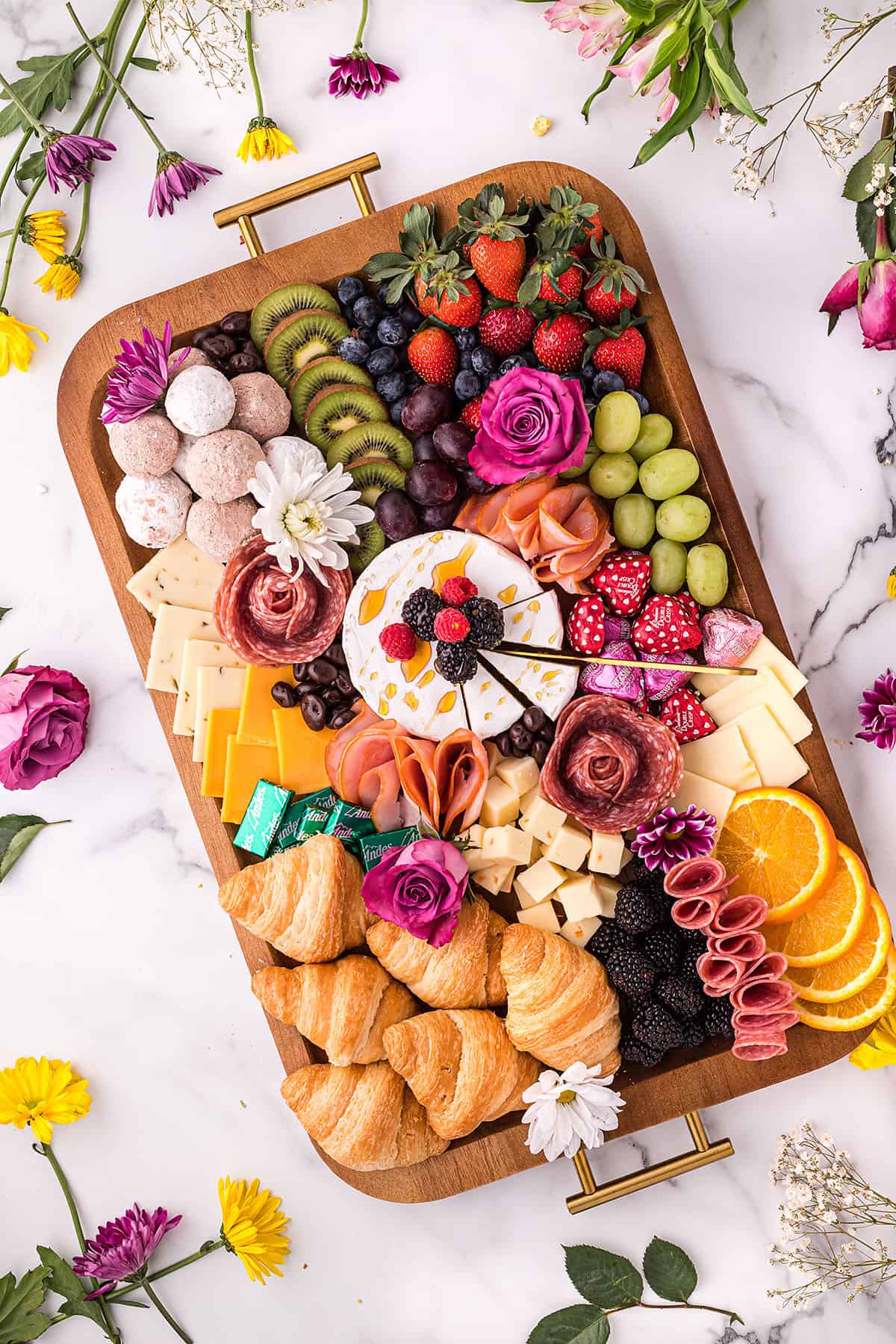
Now that we’ve discussed the components, let’s put it all together. Start by selecting a board – wood, slate, or marble are all good options. Wood offers a rustic charm, slate provides a sleek and modern look, and marble adds a touch of elegance.
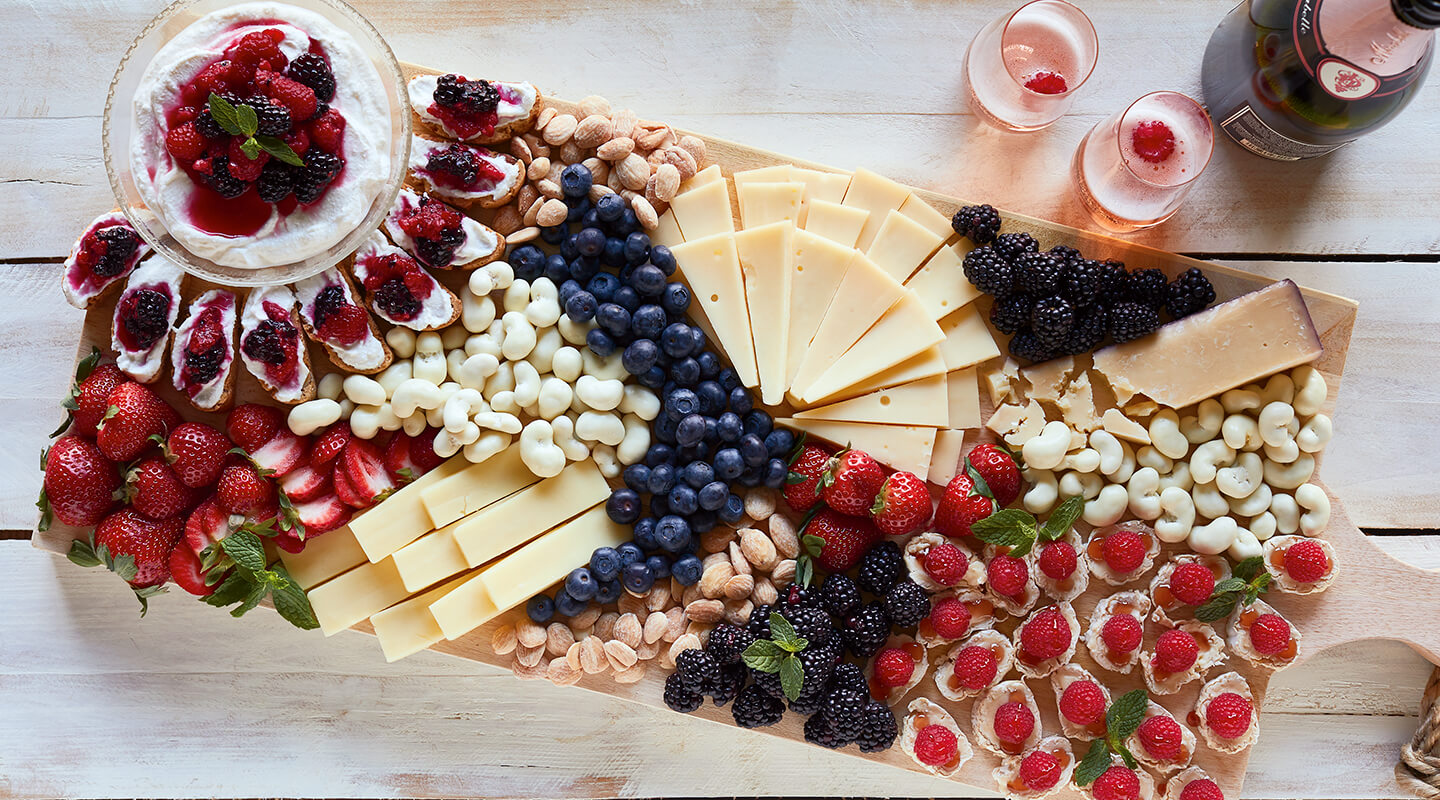
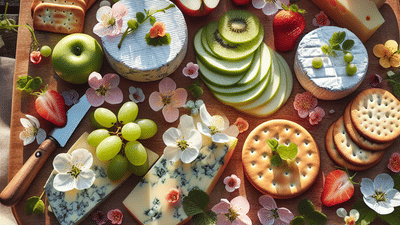
Begin by placing the cheeses on the board. Give them some space, as they’re the focal point. Then, arrange the meats, fruits, and nuts around the cheeses. Vary the textures and colors to create a visually appealing display. Don't be afraid to get creative!
Portion sizes are important. Aim for about 2-3 ounces of cheese per person. A variety of meats and accompaniments will ensure that everyone has something to enjoy.
Garnish the board with fresh herbs, such as rosemary or thyme. A drizzle of honey or a sprinkle of balsamic glaze can add a touch of sweetness and visual appeal. Remember, presentation matters!
Finally, step back and admire your creation. You’ve just built a beautiful and delicious spring charcuterie board that’s sure to impress your guests. Enjoy!
- Choose your board: Wood, slate, or marble.
- Place the cheeses: Give them space as the focal point.
- Arrange accompaniments: Vary textures and colors.
- Portion appropriately: 2-3 ounces of cheese per person.
- Garnish: Fresh herbs, honey, or balsamic glaze.
No comments yet. Be the first to share your thoughts!