


What the budget buys
Price is a reliable indicator of what you are getting into with cheese knives, but it doesn't always mean better performance for every task. The market is split into three distinct tiers, each offering different materials and handling characteristics. Understanding these tiers helps you avoid overpaying for features you won't use or buying cheap tools that ruin expensive cheese.
The $10–$20 Entry Tier
At this price point, you are buying utility, not luxury. Most knives here are stamped from stainless steel with simple plastic or wood handles. They work fine for cutting soft cheeses like brie or cheddar at a casual gathering, but the blades often lack the thinness needed to slice through harder cheeses without crumbling them. Look for brands like Oak Hill or basic Henckels lines. Avoid anything labeled "ceramic" in this range; the coating chips easily, and the steel underneath rusts if not dried immediately.
The $30–$60 Mid-Range Sweet Spot
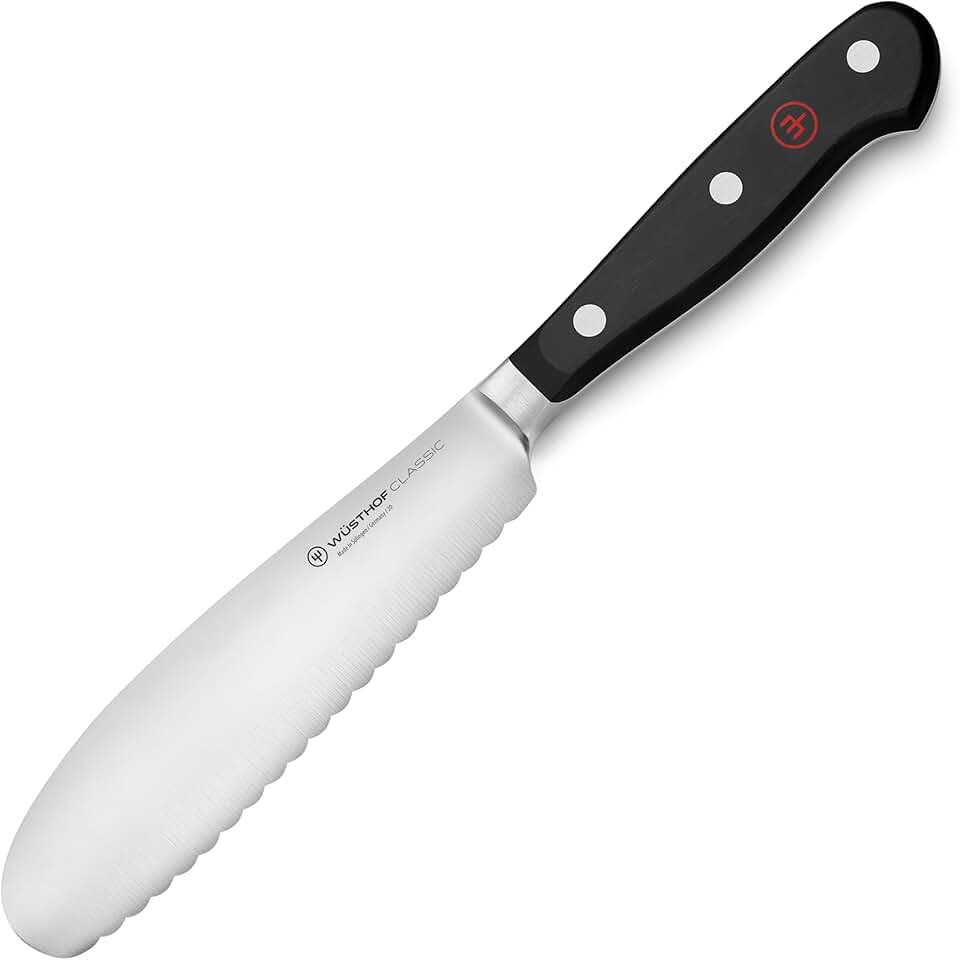
This is where most home cooks should aim. You get forged blades, often from German or Japanese steel, with better balance and edge retention. Brands like Boska and Wüsthof dominate this space. A $40 knife will slice through a wheel of gouda cleanly and hold its edge for months. The handles are usually denser wood or high-quality composite, offering a secure grip even when your hands are cold from the fridge. If you cut cheese weekly, this is the most cost-effective tier.
The $100+ Collector Tier
Prices climb here due to brand heritage, exotic materials like olive wood or Damascus steel, and intricate designs like the Swiss Army-style multi-tools. While these knives are beautiful and durable, the cutting performance rarely justifies the cost for daily use. A $150 Boska Holland knife cuts no better than a $50 model. Save this tier for gifts or if you have a specific aesthetic preference. For pure function, the mid-range options are superior value.
Rule of thumb: Spend more on the hard cheese knife (the one with the hole or blade for parmesan) than the soft cheese spreader. The spreader does most of the heavy lifting in terms of frequency.
Condition Matters More Than Price
A well-maintained $20 knife outperforms a neglected $100 one. Check for rust spots, especially near the bolster. Ensure the handle is tight; a loose handle makes precise cuts dangerous. If buying used, avoid knives with pitted blades. Stainless steel is forgiving, but once the surface is compromised, it harbors bacteria and loses its smooth cutting action.

As an Amazon Associate, we may earn from qualifying purchases.
Models worth checking first
Choosing the right cheese knife often comes down to matching the tool to the cheese's texture. A one-size-fits-all approach rarely works because a blade that glides through a hard cheddar will crush a soft brie. The strongest options in 2026 generally fall into three distinct categories: soft cheese knives, offset knives, and cleavers.
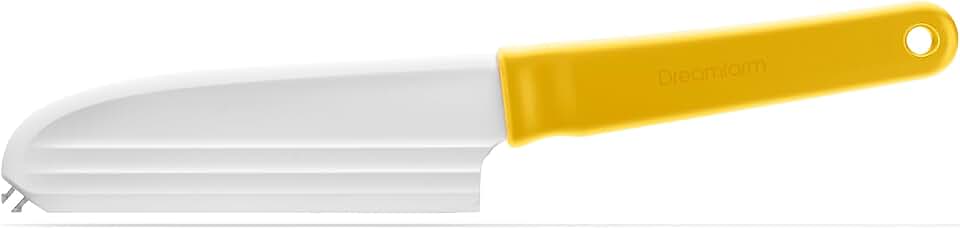
Soft cheese knives feature wide, hollow-ground blades with holes or dimples. These features create air pockets that prevent sticky cheeses like goat cheese or camembert from clinging to the metal. The offset handle keeps your knuckles clear of the board while you spread or slice delicate wedges.
Offset cheese knives use a slender, flexible blade set at an angle to the handle. This design provides excellent control for semi-hard cheeses such as Gouda or Havarti. The angle allows you to apply downward pressure without the handle hitting the cutting board, making it easier to cut thin, even slices.
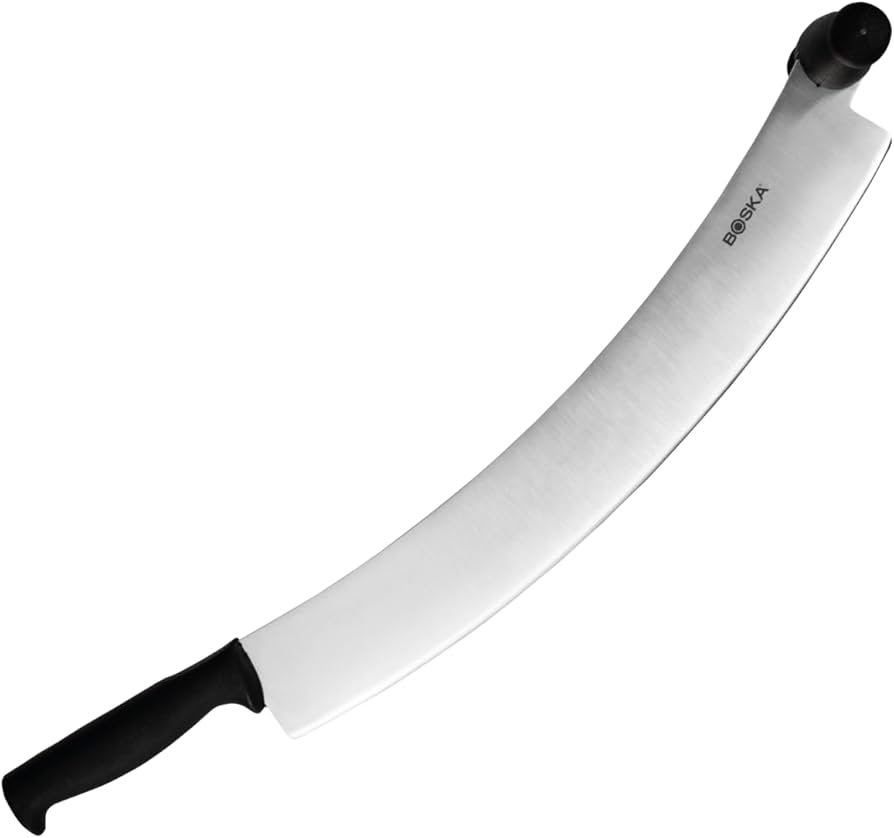
Cheese cleavers are designed for hard, crumbly cheeses like Parmesan or aged Cheddar. They typically have a wide, sturdy blade that can handle the resistance of hard rinds and dense textures. Some cleavers also feature a forked tip for serving pieces once they are cut.
The table below compares these primary categories to help you decide which models fit your collection.
| Knife Type | Best For | Key Blade Feature | Handling |
|---|---|---|---|
| Soft Cheese Knife | Brie, Goat Cheese, Camembert | Hollow-ground with holes | Flat or slightly offset handle |
| Offset Knife | Gouda, Havarti, Semi-Hard | Thin, flexible angled blade | Offset handle for clearance |
| Cheese Cleaver | Parmesan, Aged Cheddar, Hard | Wide, rigid blade | Ergonomic or straight handle |
| Wire Slicer | Mozzarella, Brie, Soft Wedges | Thin stainless steel wire | Forked handles for tension |
When browsing Amazon for these tools, look for stainless steel blades paired with comfortable handles. Teak wood is a common choice for its durability and grip, though plastic and composite materials offer easy cleaning. Avoid overly decorative blades if you plan to use the knives daily; functionality should always take precedence over aesthetics in a working kitchen.

As an Amazon Associate, we may earn from qualifying purchases.
Check before you buy
A cheese knife is a precision instrument, not a general-purpose kitchen tool. The wrong blade or a loose pivot point can ruin a wedge of aged cheddar or tear a soft brie into mush. Before adding a new slicer or knife to your cart, inspect these three failure points to ensure the tool matches your cheese profile.

As an Amazon Associate, we may earn from qualifying purchases.
Costs That Change the Math
The sticker price of a cheese knife is rarely the final number on your receipt. Ownership costs creep in through replacement blades, specialized sharpening needs, and the hidden expense of improper storage. A $15 knife that loses its edge after a few months of dulling or rusting often costs more in the long run than a $40 model that stays sharp for years.
Material choice dictates maintenance. Stainless steel offers convenience but requires careful hand-washing to prevent water spots and potential corrosion, especially in humid kitchens. Carbon steel holds an incredibly fine edge but demands immediate drying and occasional oiling to stop oxidation. Some high-end knives feature replaceable blades, turning a one-time purchase into a subscription-like model where you pay for the handle once and swap out the working part as needed.
Storage is another silent cost. Cheap knives often come with flimsy plastic guards that crack or fail to protect the edge, leading to nicks that ruin cutting performance. Investing in a proper wooden block, magnetic strip, or individual sheaths prevents damage. If you store a cheese knife loose in a drawer, you are paying for the eventual need to replace it because the edge is too damaged to salvage. The math shifts when you factor in how long the tool actually lasts before becoming kitchen clutter.
Common questions about cheese knives and slicers
Choosing the right cheese knife isn't about buying a single tool for every wheel. Different cheeses require different blade geometries to cut cleanly without crumbling or sticking. Understanding these distinctions helps you select the right essential cheese knives for your collection.
Which cheese knife do I need first?
Start with a soft cheese knife. It features a small, wide blade with holes or dimples that prevent sticky cheeses like brie or camembert from adhering to the metal. This single tool handles the most challenging textures in a typical cheese board, making it the most practical starting point for beginners.
Can one knife cut all cheese types?
No. A standard kitchen knife crushes hard cheeses like aged cheddar, while a soft cheese knife struggles with firm blocks. You need specific tools: a cleaver-style knife for hard and semi-hard cheeses, and a thin wire slicer for soft, creamy varieties. Relying on one tool compromises the presentation and texture of your cheese.
Are cheese slicers worth the space?
Wire cheese slicers are essential for soft, high-moisture cheeses. They slice cleanly through delicate rinds without squishing the interior. If you frequently serve brie, gouda, or havarti, a dedicated slicer is a worthwhile investment that preserves the cheese's integrity better than any blade.
How do I maintain cheese knives?
Hand wash immediately after use. Do not put cheese knives in the dishwasher; the harsh detergents and high heat can damage wooden handles and dull the blades. Dry them thoroughly to prevent rust, especially on the carbon steel blades often found in professional-grade cheese knives.
No comments yet. Be the first to share your thoughts!