

What the budget buys
A small charcuterie board is a balancing act between quality and quantity. When you have limited space and a tight budget, every dollar spent on cheese needs to pull its weight. You aren't buying for a crowd; you're buying for a focused tasting experience. This means you can afford slightly higher-grade ingredients than you might for a party of twenty, but you can't afford to waste money on bulk wheels you won't finish.
The sweet spot for a small board is three to five cheeses. This range allows for enough variety without overwhelming the palate or your wallet. As experts at America's Test Kitchen suggest, aim for a mix of textures: one sharp and crumbly cheese, one soft and creamy option, and perhaps a semi-firm bridge between the two. This trio creates a complete narrative on the board without requiring a massive cheese budget.
Price per ounce often tells you more than the total cost. A $12 wedge of aged Gouda might last longer and offer more depth than a $15 wheel of mild mozzarella that disappears in minutes. For a small board, prioritize aged, concentrated flavors. They punch above their weight class, allowing you to serve less product while delivering more satisfaction. Save the expensive, delicate artisanal wheels for larger gatherings where their subtleties can be appreciated by a wider audience.
Models worth checking first
Building a small charcuterie board is less about collecting every dairy available and more about balancing textures and intensities. The goal is to create a cohesive experience where each cheese plays a distinct role. A well-curated selection of three to five cheeses ensures variety without overwhelming the palate or the board space.
When selecting cheeses, focus on the interplay between soft, semi-soft, and hard varieties. Soft cheeses like Brie or Camembert provide creaminess, while semi-soft options like Havarti or Fontina offer mild, buttery notes. Hard cheeses such as sharp cheddar or Parmigiano-Reggiano add structure and a crumbly texture that contrasts nicely with the softer options. This balance prevents the board from feeling one-dimensional.
| Cheese Type | Texture Profile | Flavor Intensity | Pairing Suggestion |
|---|---|---|---|
| Brie or Camembert | Soft, creamy, spreadable | Mild, earthy | Crisp white wine, fresh grapes |
| Sharp Cheddar | Firm, crumbly, dense | Bold, tangy | Crackers, apple slices |
| Manchego | Semi-hard, firm | Nutty, buttery | Marcona almonds, honey |
| Goat Cheese (Chèvre) | Soft, tangy, spreadable | Bright, acidic | Fig jam, baguette slices |
Community discussions often highlight the importance of avoiding texture redundancy. For instance, if you choose both Brie and smoked Gouda, you may end up with two creamy options, leaving the board lacking a firm, sliceable cheese. Adding a semi-firm variety like Havarti or a hard cheese like cheddar fills that gap, ensuring every bite offers a different mouthfeel.
Ultimately, the best cheeses for a small charcuterie board are those that complement each other while standing out individually. Start with a soft cheese for spreadability, add a semi-soft or hard cheese for substance, and include a bold flavor to anchor the selection. This approach creates a balanced, inviting spread that guests can enjoy without feeling overwhelmed.
Check before you buy
A small charcuterie board leaves little room for error. With fewer items to spread across the platter, every cheese needs to earn its spot. A single rancid wedge or a crumbly disaster can ruin the entire spread. Before you buy, use this inspection checklist to avoid expensive mistakes.
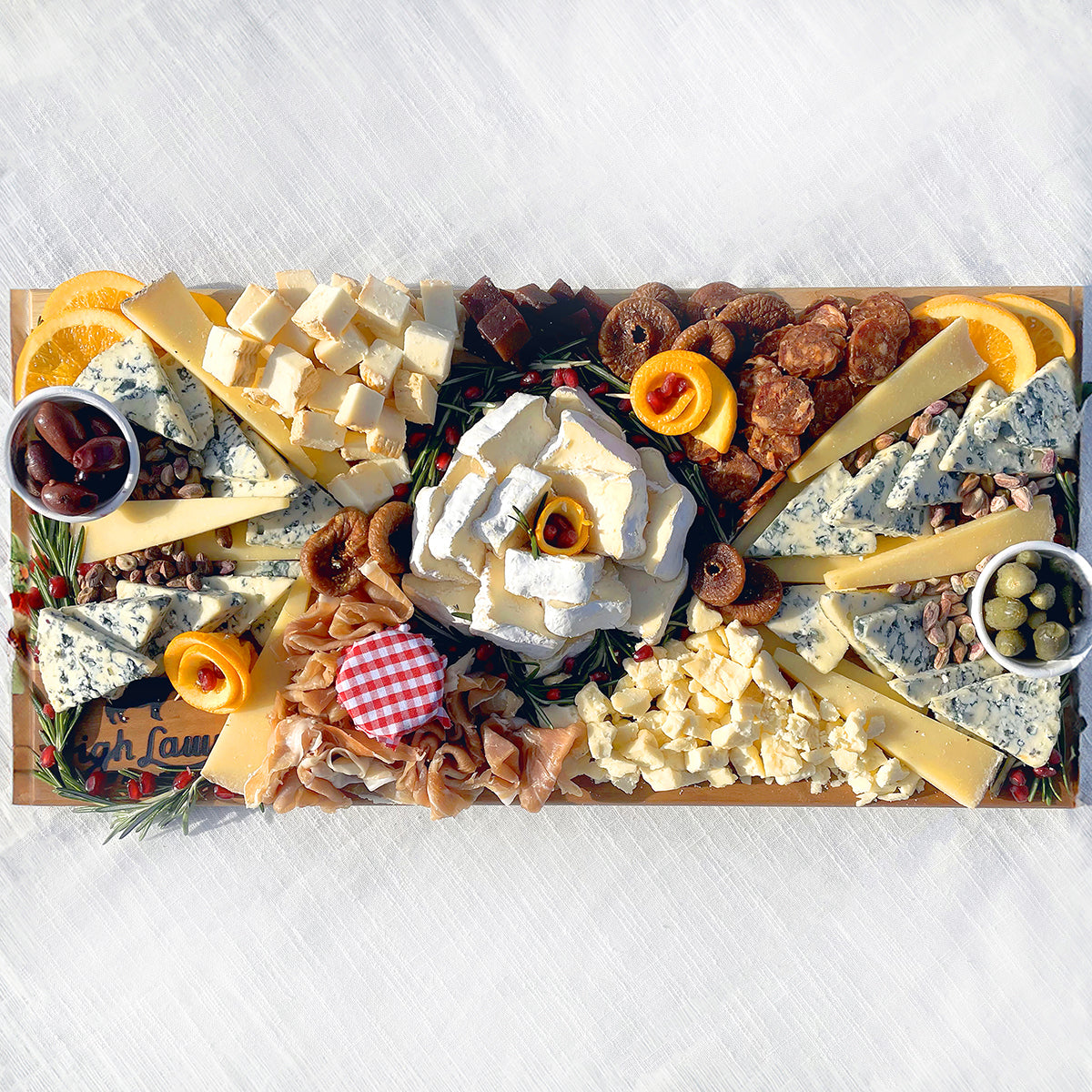
Look closely at the exterior. For soft cheeses like Brie, the rind should look velvety and moist. If you see dry, white, or cracked patches, the cheese has been exposed to air too long. This usually means the interior is dry and chalky, not creamy. Skip any wedge with visible mold that isn't part of the intended rind, such as blue veins in a white-mold cheese.
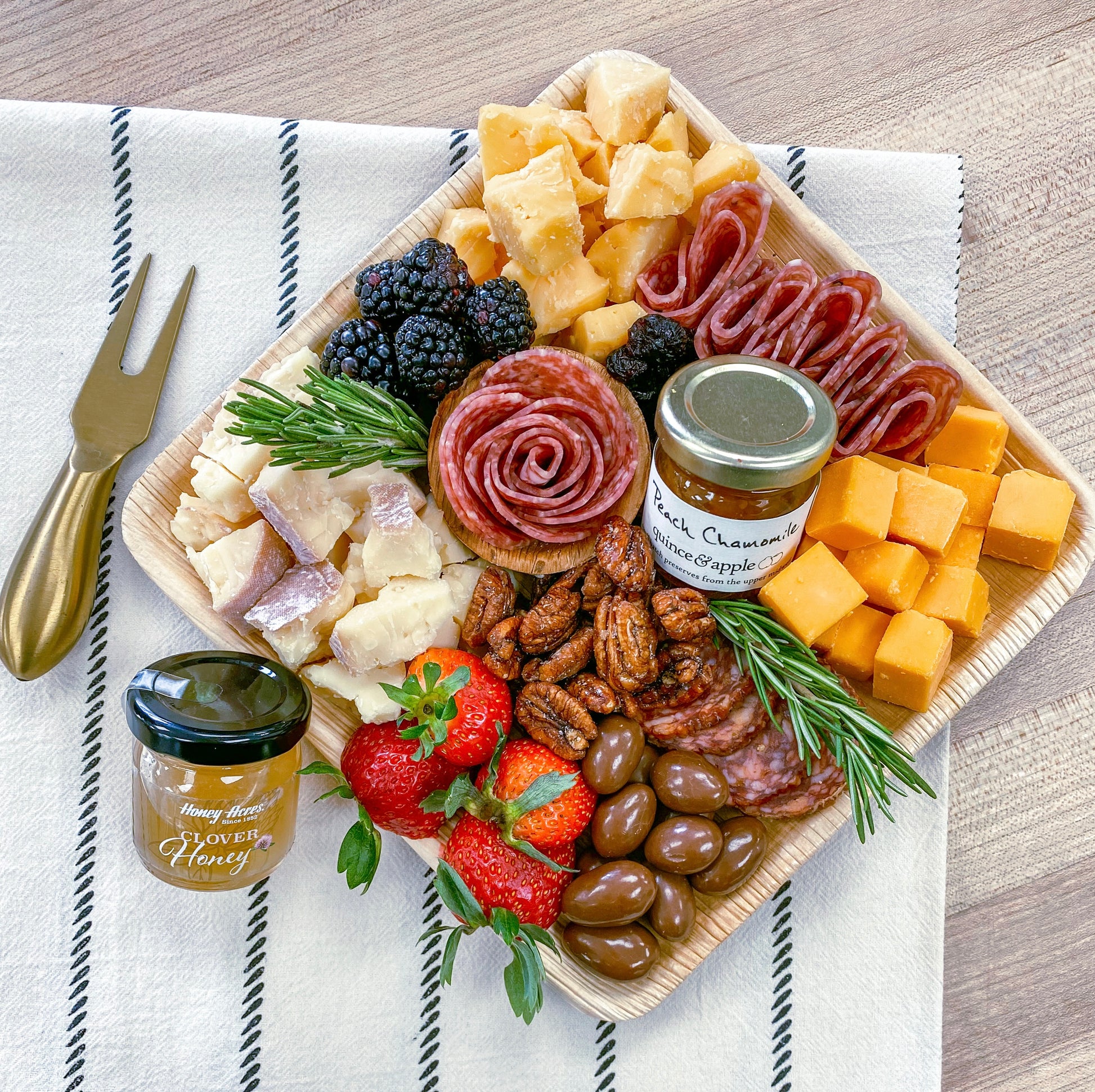
Press the cheese gently. A fresh soft cheese should yield slightly but spring back. If it feels hard or crumbles immediately, it has dried out. For semi-firm cheeses, the cut should be clean, not jagged or oily. An oily sheen on a hard cheese often indicates it is past its prime and has separated.
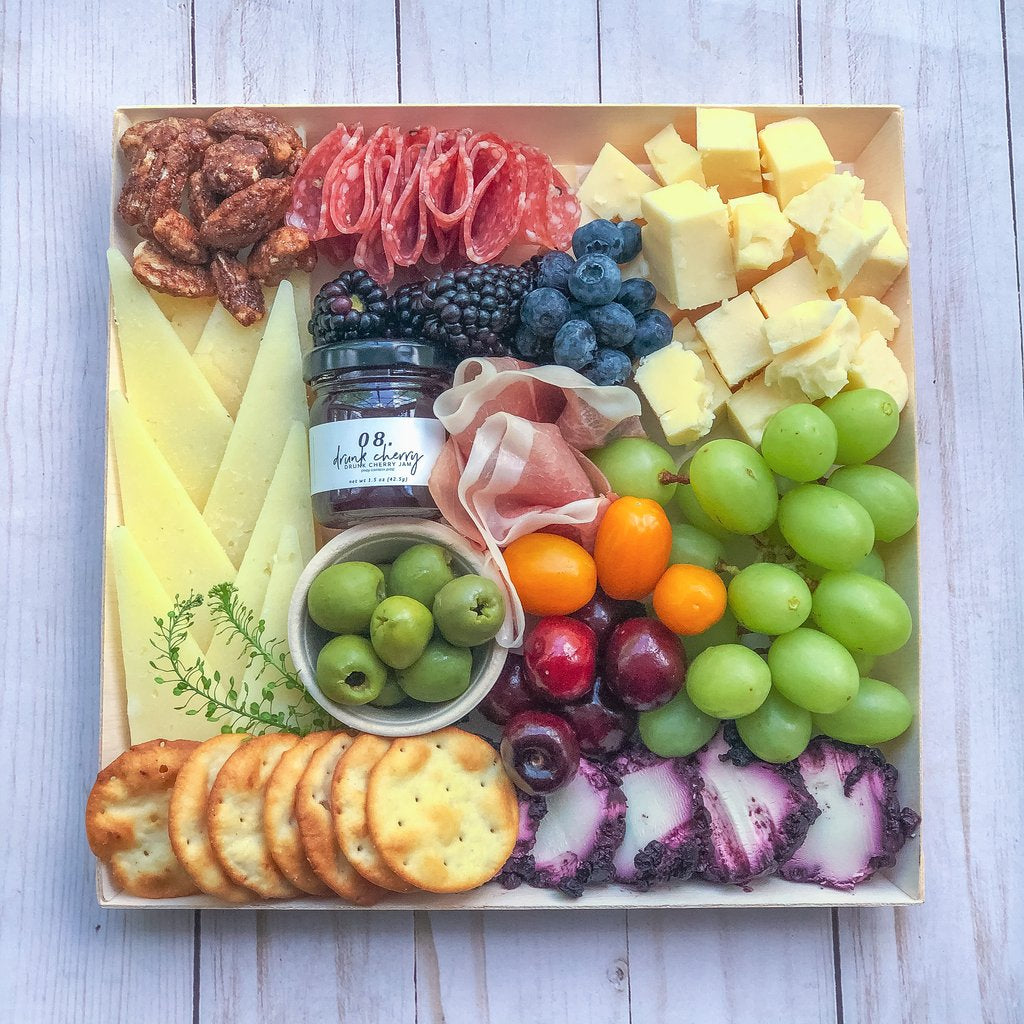
If buying pre-packaged, ensure the vacuum seal is tight. Any air bubbles or loose plastic mean oxygen has entered, which accelerates spoilage. Check the "use by" date, but also look for condensation inside the package. Excess moisture can lead to unwanted bacterial growth before you even open the box.
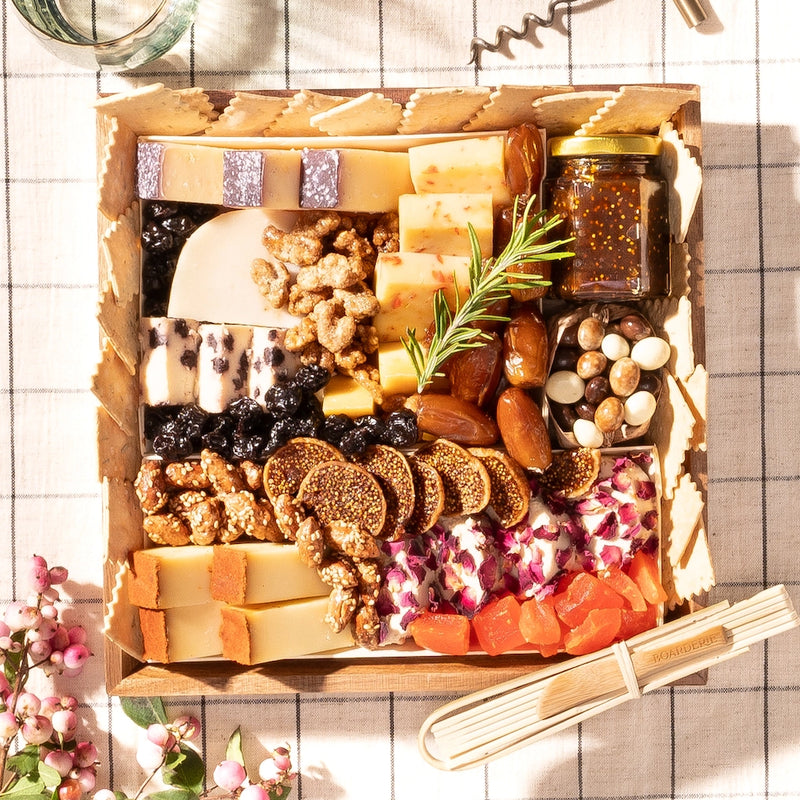
Sniff the cheese before you buy. A fresh cheese should smell milky, nutty, or earthy, depending on the variety. If you detect a strong ammonia smell, the cheese is over-fermented and will taste bitter. A sour or yeasty odor can also indicate spoilage. Trust your nose; if it smells off, it will taste worse.
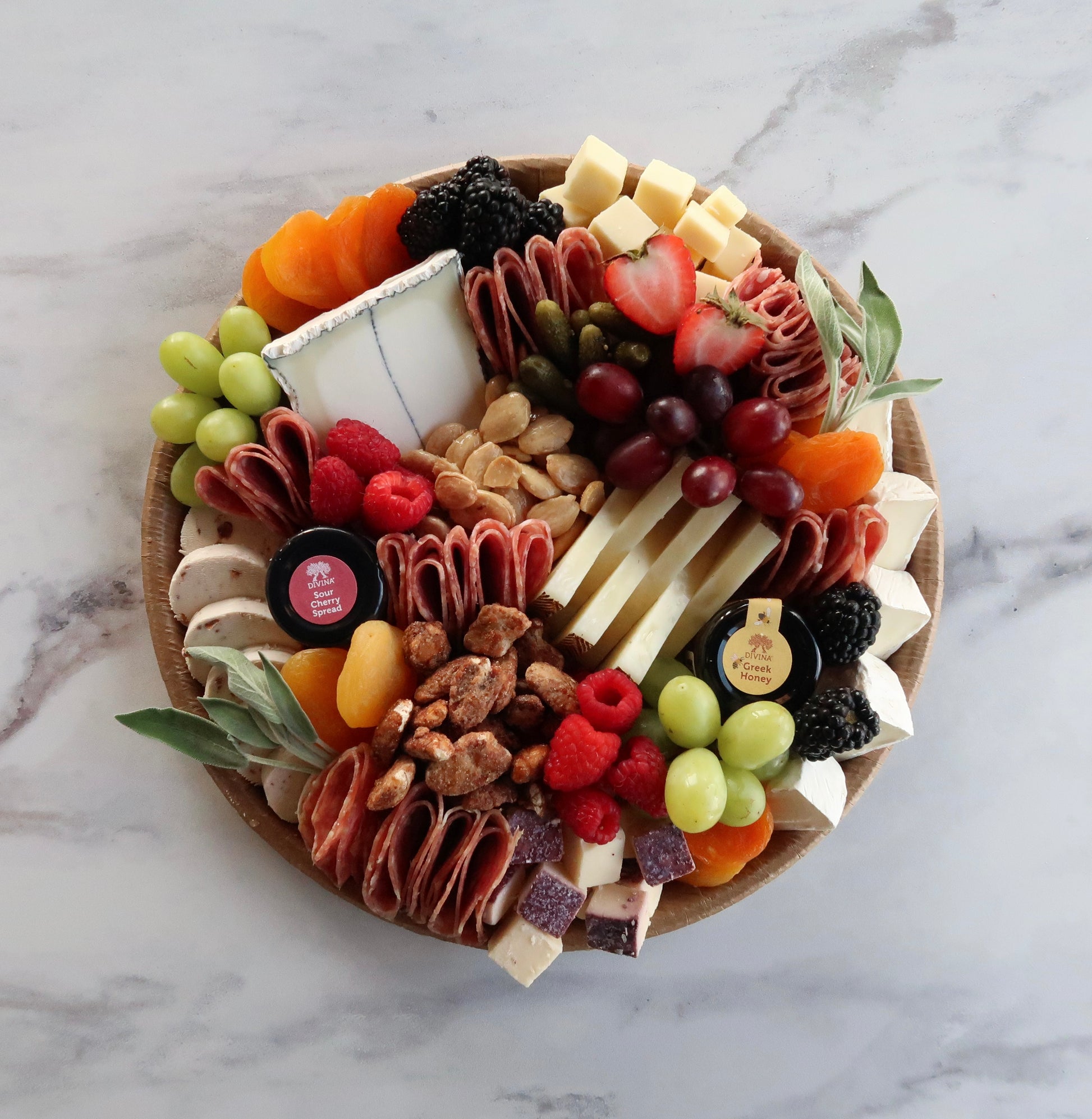
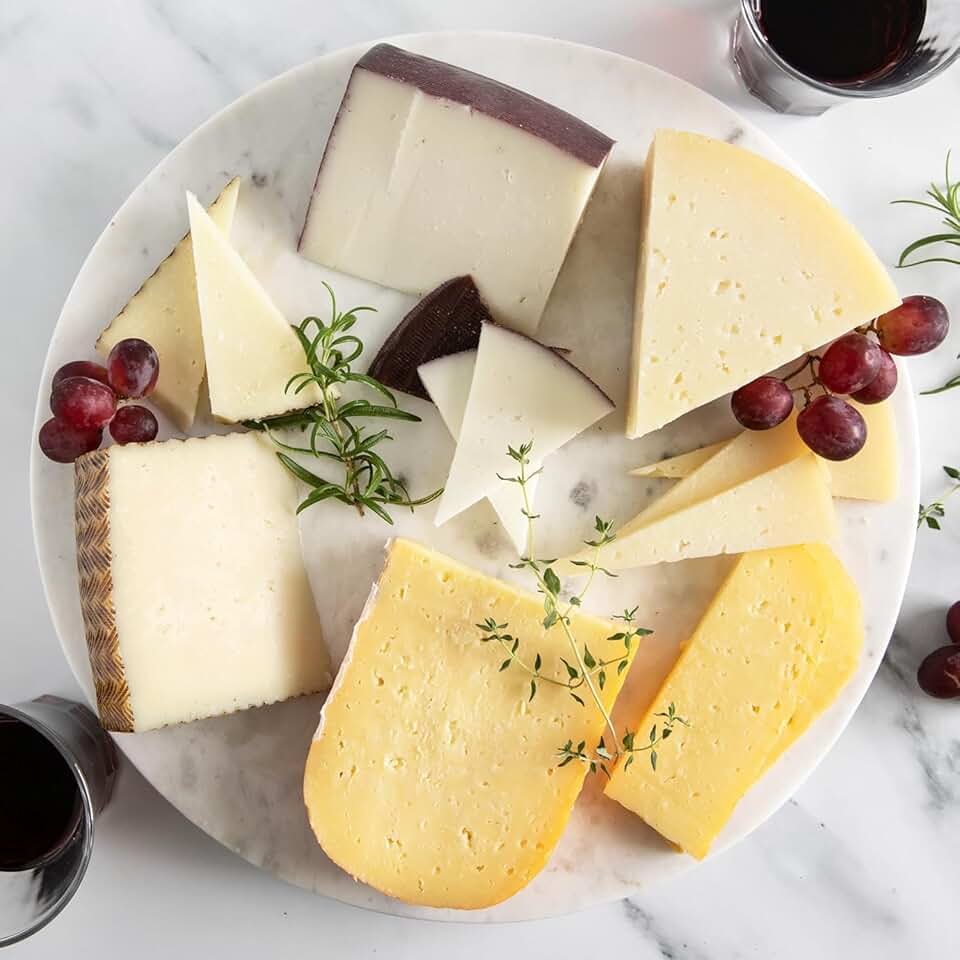
A small board needs variety to feel complete. Aim for three to five cheeses with different textures, such as a soft, a semi-firm, and a hard cheese. Avoid buying two cheeses that are both creamy, like Brie and smoked Gouda, as they will feel redundant. Balance sharp and mild flavors to keep the palate interested.
As an Amazon Associate, we may earn from qualifying purchases.
Costs that change the math
A cheese board looks simple on paper, but the real cost often hides in what you throw away. When you buy a wedge of artisanal cheese, you are paying for quality, but you are also taking on the risk of spoilage. Unlike hard salami or crackers, cheese has a short window of peak freshness. If you buy a $24 wedge of aged Gouda and only use half before it dries out, that snack cost $48 per serving.
The cheapest option on the shelf is rarely the most economical for a small board. Budget cheddar or pre-shredded blends often require larger portions to deliver flavor, leading to faster depletion. Conversely, expensive, concentrated cheeses like Manchego or aged Provolone deliver more punch per ounce. You might buy a smaller wedge, but you use less of it to achieve the same taste impact. This is where the unit price matters more than the total ticket.
Storage is the silent cost killer. Cheese needs specific humidity and temperature to last. If you store it improperly, it molds or dries out within days. A simple mistake in wrapping can turn a $15 purchase into trash. To avoid this, buy only what you can eat in 3-4 days, or choose hard, aged varieties that last weeks in the fridge. For a small gathering, one or two medium-hard cheeses are often smarter than a soft, perishable brie that might spoil before the party starts.
Common questions
Building a small charcuterie board doesn’t require a degree in food science, but it does require a few specific choices to avoid a boring or messy spread. Here are the practical answers to the questions that usually stop people before they start shopping.
How many cheeses should I put on a small board?
Stick to an odd number, typically three or five. Odd numbers create a more natural, balanced visual arrangement than even numbers. For a small board, three cheeses are usually the sweet spot. This allows you to offer variety without overcrowding the surface or making it difficult for guests to sample everything.
What is the best way to balance flavors and textures?
The goal is contrast. If you choose a soft, creamy cheese like Brie or triple cream brie with wild mushrooms, you need to counter it with something sharp and crumbly, such as a aged cheddar or Parmesan. Adding a semi-soft option like Havarti or Fontina fills the middle ground. This mix of soft, semi-soft, and hard textures ensures there is something for every palate.
Can I just buy pre-sliced cheese to save time?
You can, but pre-sliced cheese often dries out faster and doesn’t melt or spread as well as freshly cut cheese. If you must use pre-sliced, keep them in the package until the last minute. For the best result, buy cheese blocks and slice them yourself. Hard cheeses like Manchego or smoked Gouda hold their shape well, while soft cheeses should be torn or cut into wedges.
What should I serve with the cheese if I don’t have meat?
Cheese stands on its own if you provide the right crunch and sweetness. Pair your cheeses with sturdy crackers, fresh fruit like grapes or apple slices, and a touch of sweetness such as fig jam or honey. If you want to add protein, cured meats like salami or prosciutto are classic, but nuts like almonds or walnuts work just as well for a vegetarian option.
No comments yet. Be the first to share your thoughts!