

Spring on a Board: Why Camembert and Taleggio Shine Right Now
Spring feels like a time for fresh starts, and that extends to our food. Out go the heavy, winter flavors, and in come lighter, brighter tastes. That’s where Camembert and Taleggio really come into their own. They both possess a wonderful creaminess, but offer distinct flavor profiles that complement the season’s bounty beautifully. A cheese board isn't about formality; it's about sharing good food with good company.
I’ve noticed both of these cheeses are gaining more attention lately – maybe people are becoming more adventurous with their cheese choices, or maybe they’re just rediscovering these classics. Camembert, with its delicate mushroomy notes, feels particularly suited to spring, while Taleggio’s slightly funky character adds a welcome complexity. They're both cheeses that invite conversation, and that's a big part of their appeal.
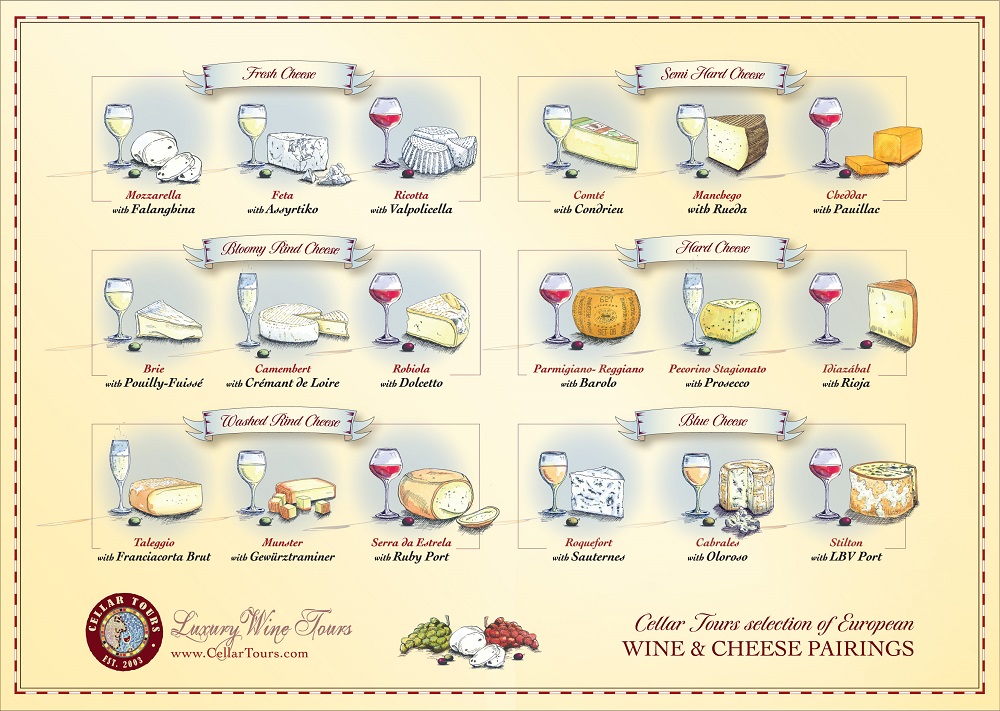
Camembert originated in Normandy, France, and has been around since at least the 18th century according to Wikipedia. It's a relatively small-format cheese, traditionally made in wooden rounds. Taleggio, hailing from the Lombardy region of Italy, boasts a history stretching back to the 10th century! Its washed rind is a key characteristic, contributing to its distinctive aroma and flavor. These aren't new cheeses, but they feel remarkably current.
Understanding Camembert: More Than Just a Soft Cheese
Camembert is often categorized simply as a soft cheese, but that doesn’t even begin to tell the whole story. Its production relies on a specific type of mold, Penicillium camemberti, which creates that characteristic white, bloomy rind. This rind isn’t just aesthetic; it plays a crucial role in developing the cheese’s flavor. The cheese itself is made from cow’s milk, and the quality of the milk greatly impacts the final product.
According to Wikipedia, Camembert’s origins can be traced back to the village of Camembert in Normandy, France. Traditionally, it was made on farms, and while industrial production exists now, many artisanal producers still follow time-honored methods. Marin French Cheese Co. produces an excellent Camembert right here in California, and it's readily available in many grocery stores. Their commitment to quality really shines through.
The aging process is what truly sets Camembert apart. A younger wheel will be firm and slightly chalky, with a milder flavor. As it ripens, the cheese softens, the rind becomes more pronounced, and the flavor intensifies, developing those signature mushroomy and earthy notes. A perfectly ripe Camembert should be slightly runny, with a creamy, almost liquid center. Don't be afraid of a little ammonia smell – that's a sign of proper ripening, not spoilage!
Knowing when Camembert is at its peak is key. Gently press the center of the wheel; it should yield easily. If it feels hard, it needs more time. If it's overly soft and has a strong ammonia odor, it's likely past its prime. I always prefer a Camembert that's on the riper side – the flavor is just so much more complex and enjoyable.
Taleggio’s Tang: A Surprisingly Versatile Cheese
Taleggio often gets a bad rap because of its washed rind, which gives it a rather pungent aroma. People assume it's going to be overwhelmingly strong, but that’s rarely the case. The washing process, typically done with brine, encourages the growth of Brevibacterium linens, the same bacteria responsible for the aroma of aged feet – yes, really! But this bacteria also contributes to the cheese’s complex, fruity, and slightly tangy flavor.
Originating in the Lombardy region of Italy, Taleggio is a semi-soft cheese made from cow's milk. It’s been around for centuries, with some accounts dating back to the 10th century. While it's not as widely known as some other Italian cheeses, it’s gaining popularity among cheese enthusiasts who appreciate its unique character. It's a cheese that demands a little attention, and rewards you for it.
I’ve found that many people are hesitant to try Taleggio because of the smell, but once they do, they’re often surprised by how approachable it is. The flavor is much milder than the aroma suggests. It’s creamy, slightly sweet, and has a subtle tang that makes it incredibly satisfying. It’s a cheese that evolves on the palate – the flavors change and develop with each bite.
What sets Taleggio apart from other washed-rind cheeses is its relatively mild flavor and its smooth, almost buttery texture. Some washed-rind cheeses can be aggressively pungent, but Taleggio maintains a balance that makes it more versatile and accessible. Don't let the aroma scare you away; it's a gateway to a truly delicious cheese experience.
Spring Produce Power Pairings: What Grows With These Cheeses
Spring produce is all about freshness and lightness, and that translates beautifully to cheese pairings. Asparagus, with its slightly grassy flavor, is a fantastic match for both Camembert and Taleggio. The creamy texture of the cheeses complements the asparagus's crispness, and the flavors don’t clash. Strawberries, with their sweetness and acidity, also work surprisingly well, especially with Camembert.
Rhubarb, another spring staple, provides a tartness that cuts through the richness of both cheeses. A rhubarb compote or chutney is a lovely addition to a cheese board. Radishes, with their peppery bite, offer a refreshing contrast. Peas, lightly blanched, add a touch of sweetness and a vibrant green color. Mint, fresh and fragrant, is a wonderful herb to pair with Camembert, enhancing its earthy notes.
Don’t be afraid to experiment with less obvious pairings. Pickled vegetables, like pickled onions or carrots, provide a tangy counterpoint to the cheese's creaminess. Stone fruit, like apricots or peaches, offer a juicy sweetness that complements Taleggio’s savory flavor. I recently tried a pairing of Taleggio with grilled ramps, and it was a revelation. The ramps’ garlicky flavor was a perfect match.
The key to successful pairing is understanding how flavors interact. You want to create a balance of sweet, savory, acidic, and bitter elements. Think about texture too – a creamy cheese pairs well with something crunchy or crisp. It's not about following rules, it’s about finding combinations that you enjoy. Play around with different options and see what works for your palate.
Spring 2026 Produce Pairings for Camembert & Taleggio
| Cheese | Produce Item | Flavor Profile | Pairing Strength |
|---|---|---|---|
| Camembert | Strawberries | Sweet | High |
| Camembert | Radishes | Tart | Medium |
| Camembert | Asparagus | Herbaceous | Medium |
| Camembert | Spring Peas | Sweet | Medium |
| Taleggio | Morel Mushrooms | Savory | High |
| Taleggio | Rhubarb | Tart | Medium |
| Taleggio | Chives | Herbaceous | Medium |
| Taleggio | Apricots | Sweet | Medium |
Illustrative comparison based on the article research brief. Verify current pricing, limits, and product details in the official docs before relying on it.
Beyond Fruit & Veg: Meats, Nuts, and Accompaniments
A cheese board isn't complete without some complementary meats and accompaniments. Prosciutto, with its salty-sweet flavor, is a classic pairing for both Camembert and Taleggio. Soppressata, a dry-cured salami, adds a bit of spice and complexity. Speck, a smoked prosciutto, offers a smoky depth that complements Taleggio particularly well.
Nuts provide a delightful textural contrast to the creamy cheeses. Walnuts, with their slightly bitter flavor, pair well with Camembert. Pecans, with their buttery sweetness, are a good match for Taleggio. Almonds, toasted or plain, offer a neutral crunch that works with both. I find that using a variety of nuts adds visual appeal and flavor complexity.
Other accompaniments can elevate your cheese board to the next level. Honey, especially a wildflower honey, adds a touch of sweetness and floral aroma. Fig jam or quince paste provides a fruity sweetness that complements both cheeses. A whole-grain mustard offers a tangy kick. Crackers and bread are essential for serving – I prefer a mix of plain and flavored options.
When choosing crackers and bread, consider the texture and flavor. A simple baguette or a rustic sourdough bread is a good all-around choice. For crackers, I like those with a neutral flavor that won’t overpower the cheese. Avoid anything overly sweet or heavily seasoned. The goal is to provide a vehicle for enjoying the cheese, not to compete with it.
these charcuterie boards are to die for! pic.twitter.com/lCFZT3eZfF
— Tasty UK (@TastyUK) April 28, 2025
Putting It All Together: Two Spring Charcuterie Board Layouts
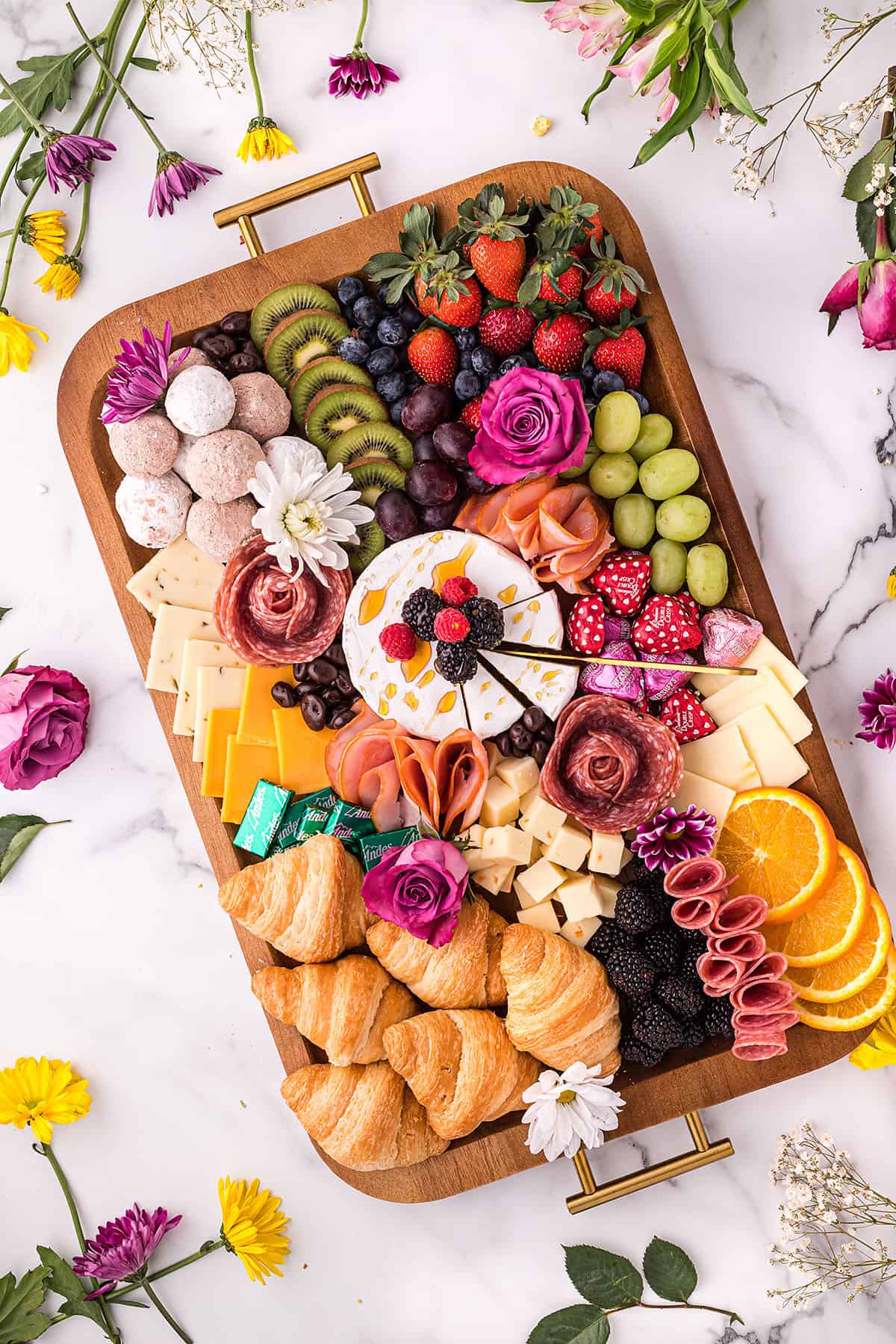
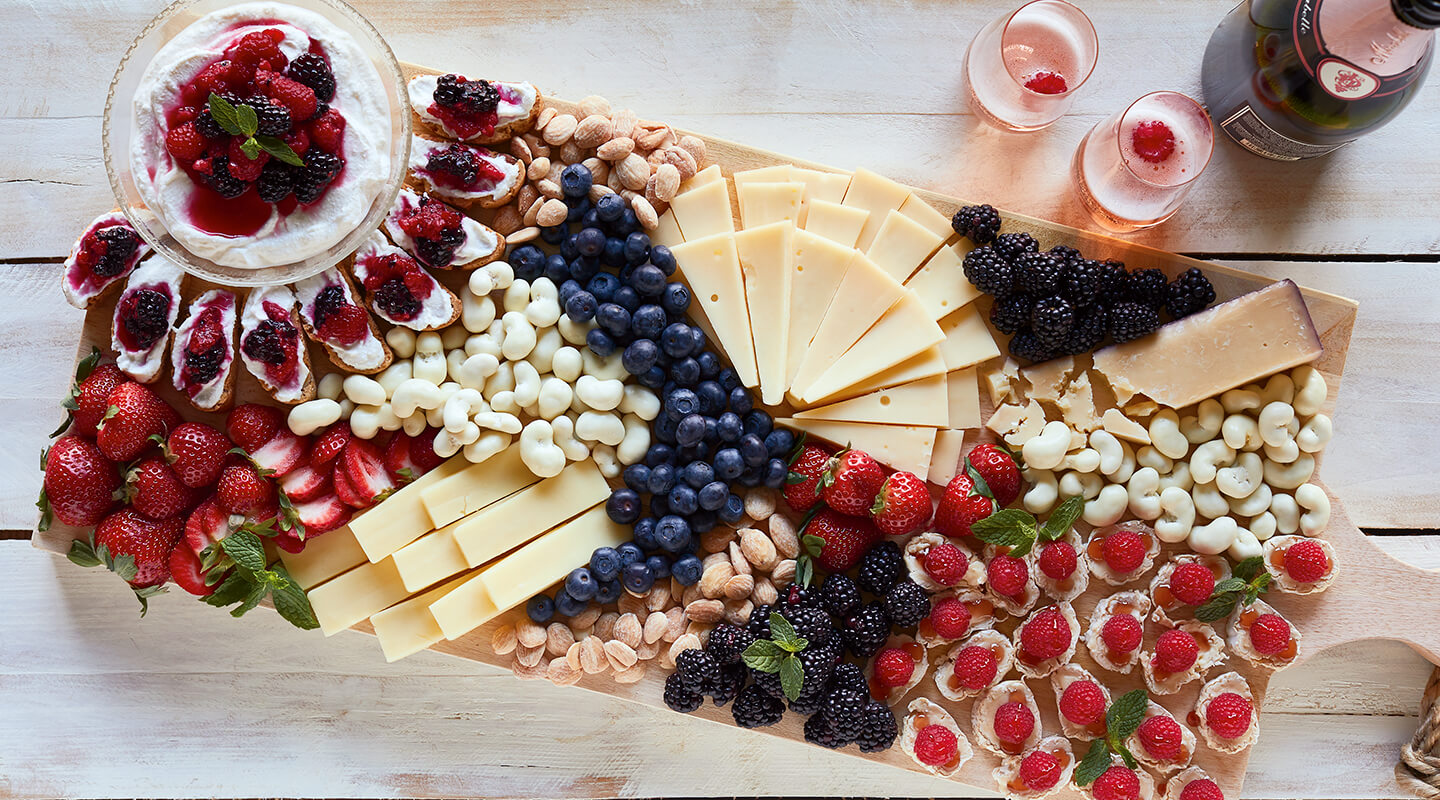
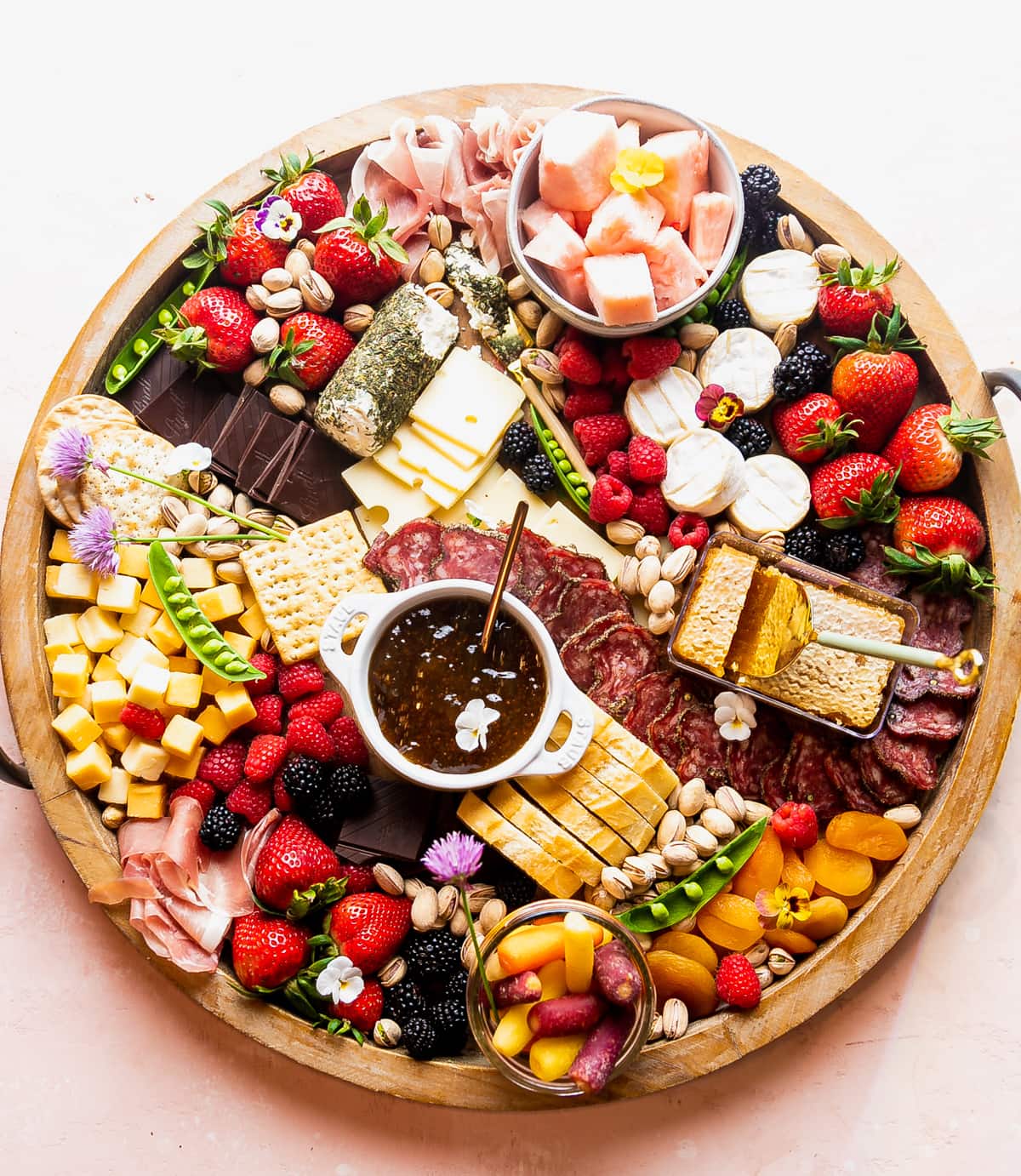
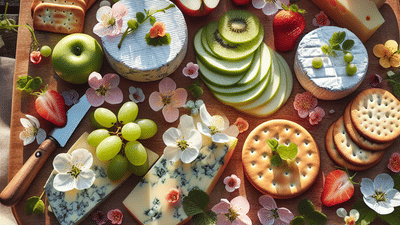
Let's bring it all together with two complete charcuterie board layouts. The first, a 'Normandy Meadow' board, will focus on Camembert. We’ll start with a wheel of Marin French Camembert as the centerpiece. Around it, arrange slices of prosciutto, strawberries, radishes, and baguette slices. Add a small dish of wildflower honey and a sprinkle of fresh mint.
For a more rustic aesthetic, use a wooden board and arrange the ingredients in a slightly haphazard fashion. Consider adding a few sprigs of rosemary or thyme for visual appeal. The 'Normandy Meadow' board is all about lightness and freshness, reflecting the flavors of spring. The second board, 'Lombardian Sunset,' will showcase Taleggio. Place a wedge of Taleggio at the center, surrounded by soppressata, grilled asparagus, apricot slices, and toasted walnuts.
This board will have a warmer, more inviting feel. Use a slate board and arrange the ingredients in a more structured manner. Add a small dish of fig jam and a drizzle of balsamic glaze. The 'Lombardian Sunset' board is about balance – the sweetness of the apricots and fig jam complements the savory Taleggio and soppressata. Both boards should be visually appealing, with a variety of colors and textures.
Remember, there are no hard and fast rules. Feel free to adjust the ingredients and arrangements to suit your own taste. The most important thing is to create a board that’s both delicious and visually appealing. Don't be afraid to experiment and have fun. A well-arranged cheese board is a work of art, and a celebration of good food.
Wine & Beyond: Drink Pairings for Camembert and Taleggio
A charcuterie board deserves a thoughtful drink pairing. For Camembert, a crisp white wine like Sauvignon Blanc or Pinot Grigio is a classic choice. The acidity of the wine cuts through the cheese's richness, creating a refreshing balance. A light-bodied red wine, like Beaujolais, can also work well, especially with a fruit-forward board.
Taleggio, with its bolder flavor, calls for a more assertive wine. A medium-bodied red wine, like Chianti or Barbera, is a good match. The wine’s tannins complement the cheese’s savory notes. For a more adventurous pairing, try a fruity beer, like a Belgian Dubbel or a Saison. The beer’s sweetness and complexity can enhance the cheese’s flavor.
If you prefer non-alcoholic options, sparkling cider is a festive and refreshing choice. Herbal teas, like chamomile or mint, can also be a pleasant accompaniment. The key is to choose a drink that complements the cheese's flavors without overpowering them. I tend to lean towards lighter, more refreshing drinks in the spring.
Ultimately, the best drink pairing is the one you enjoy the most. Don’t be afraid to experiment and try different combinations. A cheese board is all about sharing and enjoyment, and that includes the drinks too. Cheers to a delicious spring season!
No comments yet. Be the first to share your thoughts!