

Spring cheese: light and fresh
Spring eating is different. After months of heavy stews, I want something that doesn't sit like a brick. This means swapping the funk of a two-year cheddar for cheeses that play well with the first green things coming out of the dirt.
For too long, Camembert and Taleggio have been relegated to fall and winter cheese boards, seen as too rich for warmer weather. I believe that’s a mistake. Both cheeses, when paired thoughtfully, can absolutely shine during spring. They offer a wonderful counterpoint to the season’s acidity, creating a balance that’s incredibly satisfying.
The key is understanding how these cheeses interact with spring’s flavors. Think about the first strawberries, the tang of rhubarb, or the delicate sweetness of early asparagus. These aren’t flavors that demand a strong, assertive cheese, but rather one that will complement and enhance them. We want a cheese that feels as hopeful and renewed as the season itself.
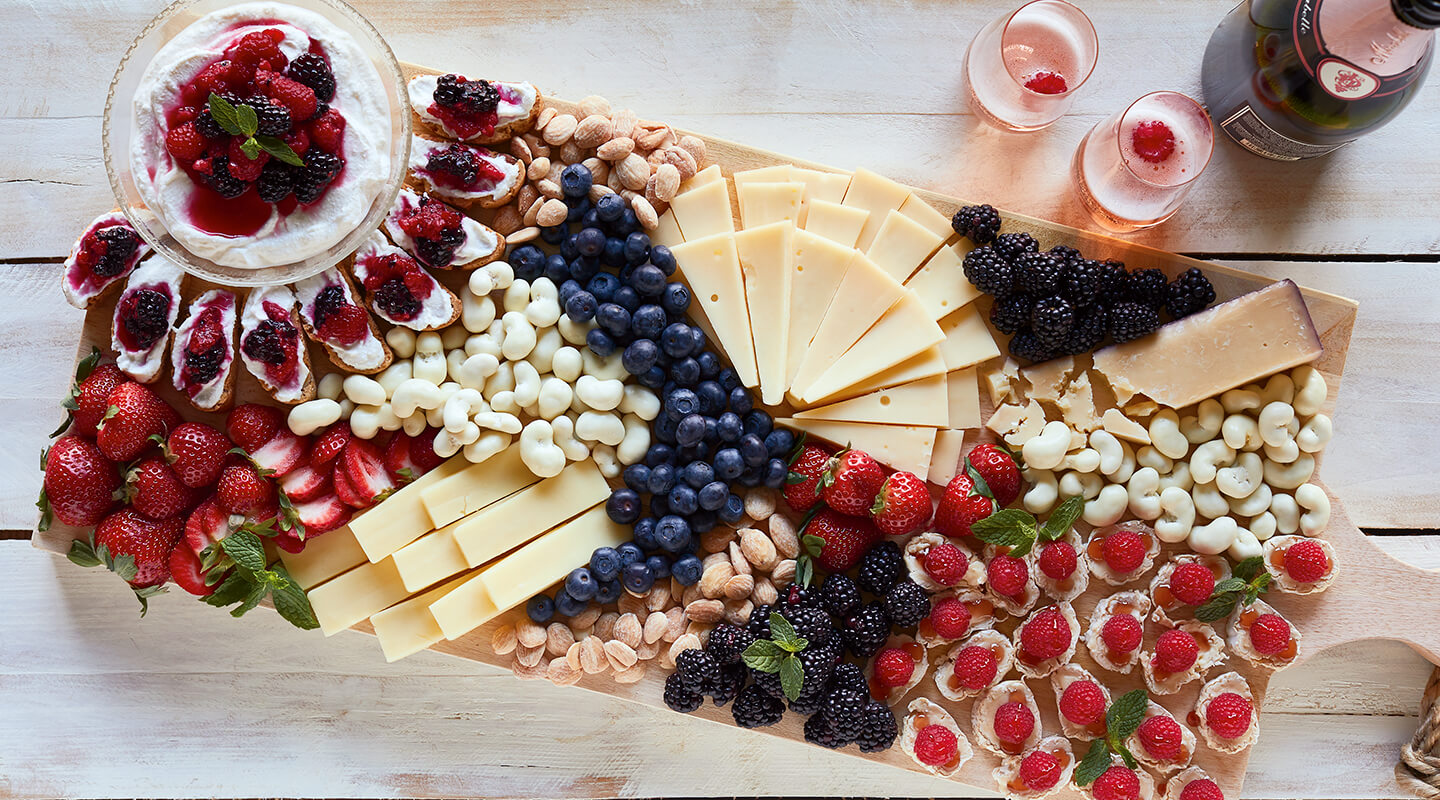
Camembert in the spring
Camembert often gets a bad rap as being too much – too creamy, too pungent. But a good Camembert, especially one that’s not overly ripe, can be incredibly versatile in spring. Its earthy notes find a beautiful harmony with the season’s lighter flavors. Forget the usual apple slices; let's think outside the box.
Try rhubarb compote. The sharp acid is exactly what a fatty Camembert needs. Early strawberries work too, though they're better if they're slightly tart. If you can find white asparagus, the soft stalks match the texture of a gooey cheese without fighting for attention.
The style of Camembert matters. Farmhouse Camemberts, made with raw milk, tend to have a more complex, nuanced flavor profile, lending themselves well to more adventurous pairings. Mass-produced Camemberts, while perfectly enjoyable, are often milder and pair better with simpler accompaniments. Don't be afraid to experiment and find what you like best.
One pairing I’ve been enjoying lately is Camembert with a drizzle of wildflower honey and a sprinkle of sea salt. The honey accentuates the cheese’s sweetness, while the salt provides a delightful contrast. It’s a simple combination, but incredibly effective. If you're feeling adventurous, try it with a thin slice of prosciutto.
Taleggio is better when it's warm out
Taleggio often gets overlooked when people think about spring cheese boards. Its washed-rind aroma can be intimidating, and it’s often associated with heartier fall and winter meals. But I’d argue that Taleggio has a hidden potential for springtime pairings, you just need to approach it strategically.
The key is balance. Taleggio’s funkiness needs to be countered with acidity or freshness. Pickled vegetables – radishes, asparagus, even pickled ramps – are fantastic partners. Their tanginess cuts through the cheese’s richness and provides a welcome textural contrast. Spring peas, lightly blanched, also work surprisingly well, offering a sweet and vegetal counterpoint.
Don’t shy away from wine pairings either. A light-bodied rosé, with its bright acidity and fruity notes, is a perfect match. Or, try a Pinot Noir from a cooler climate. The wine’s earthy undertones will complement the Taleggio’s flavor profile. One thing I've noticed is that Taleggio’s aroma becomes more pronounced as it warms up, so consider serving it at room temperature to fully appreciate its complexity.
I recently paired Taleggio with a fig and balsamic jam and it was a revelation. The sweetness of the fig and the tang of the balsamic beautifully offset the cheese’s savory notes. It's a pairing I highly recommend.
Beyond Cheese: Spring Accompaniments
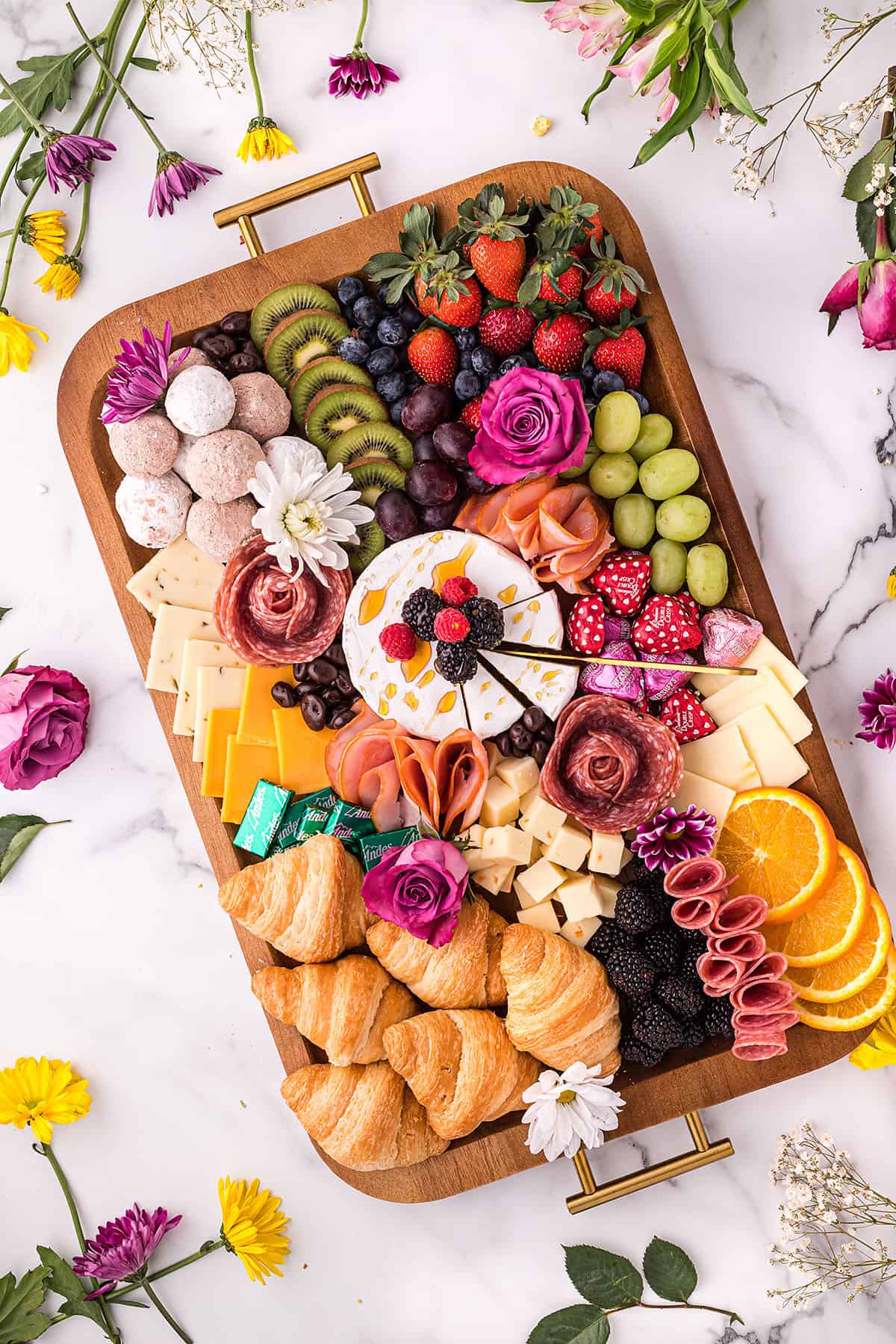
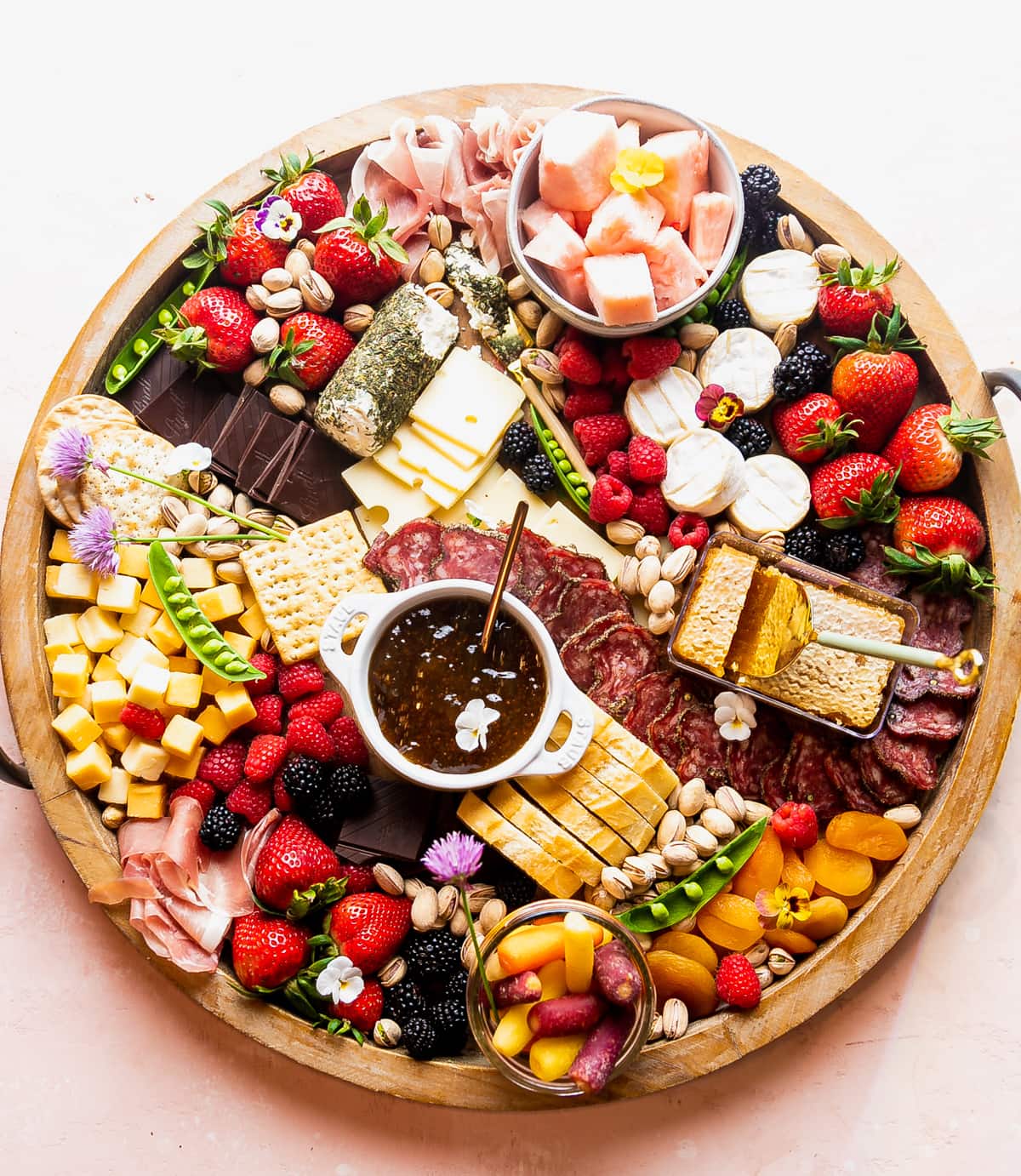
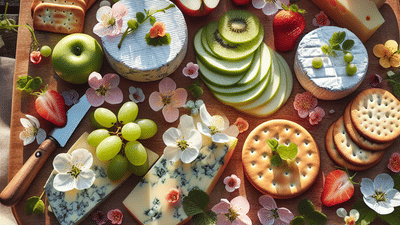
A truly exceptional charcuterie board isn’t just about the cheese; it’s about the accompaniments. For a spring-themed board, consider breads like sourdough, baguette, or even a fruit bread like apricot or fig. These offer different textures and flavors that complement the cheeses.
Cured meats like prosciutto, speck, and soppressata add a savory element. Fruits like strawberries, raspberries, and apricots provide sweetness and acidity. Vegetables like asparagus, radishes, and snap peas offer a refreshing crunch. Don't forget the nuts and seeds – toasted almonds, walnuts, or pumpkin seeds add texture and healthy fats.
Other fantastic options include marinated olives, cornichons, and fruit preserves. A small pot of honey, especially wildflower honey, is always a welcome addition. Think about adding some fresh herbs, like mint or basil, for a burst of aroma and flavor. A little goes a long way.
Consider a variety of textures and flavors to keep things interesting. The goal is to create a board that offers something for everyone and keeps your guests coming back for more.
Wine & Beverage Pairings
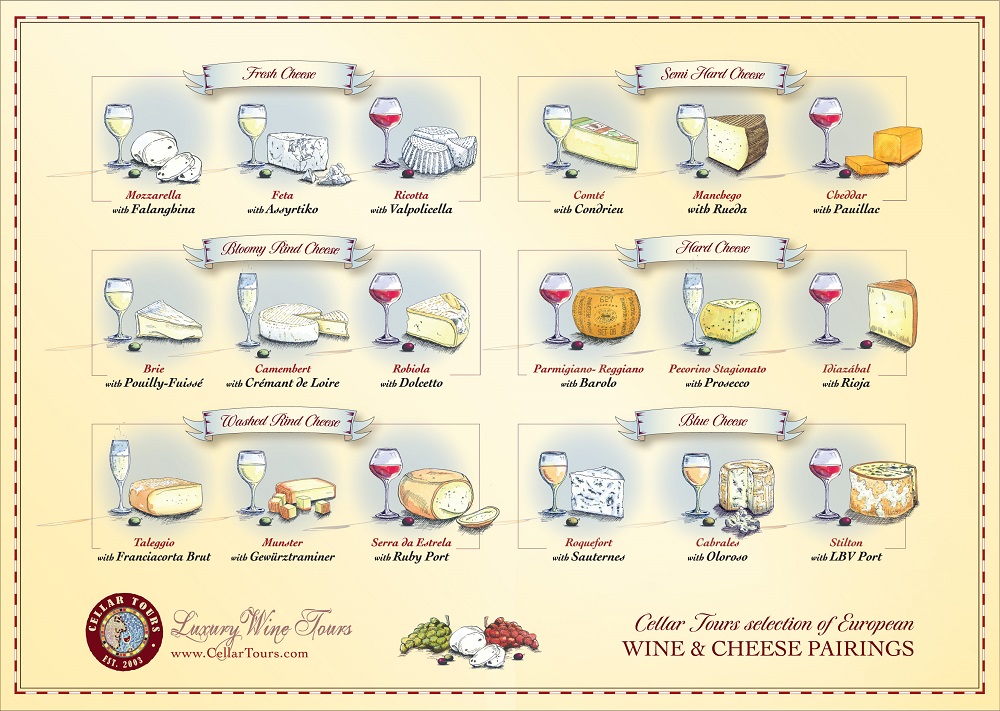
Pairing wine with Camembert and Taleggio in the spring requires a delicate touch. For Camembert, a light-bodied red like Beaujolais or Pinot Noir can be a good choice. Their fruity notes complement the cheese’s earthiness. A crisp white wine, such as Sauvignon Blanc or Pinot Grigio, also works well, especially with fruit pairings.
Taleggio, with its bolder flavor, can handle a slightly more robust wine. A dry rosé is a fantastic option, offering both acidity and fruitiness. Alternatively, a light-bodied red Burgundy can also be a good match. I'm no sommelier, but I've found that lighter wines generally work better in the spring.
If you’re looking for non-alcoholic options, sparkling cider is a refreshing choice. Herbal teas, like chamomile or mint, can also complement the cheeses. A lightly sweetened lemonade, made with fresh lemons, is another great option. Avoid anything too sweet, as it will clash with the cheese’s savory flavors.
Ultimately, the best pairing is the one you enjoy the most. Don’t be afraid to experiment and find what works for your palate.
- Camembert: Beaujolais or Sauvignon Blanc
- Taleggio: Dry Rosé, Light-bodied Burgundy, Sparkling Cider, Herbal Tea
Wine Pairing Decision Matrix: Camembert & Taleggio (Spring 2026)
| Wine Style | Camembert Pairing | Taleggio Pairing |
|---|---|---|
| Light-bodied Red (e.g., Beaujolais) | Good. The fruit-forward character complements Camembert's mushroomy notes without overpowering it. | Okay. The tannins can clash with Taleggio’s pungency, but a lighter style can work if the Taleggio is younger. |
| Crisp White (e.g., Sauvignon Blanc) | Excellent. The acidity cuts through Camembert’s richness, creating a balanced flavor profile. | Good. Sauvignon Blanc's herbaceousness provides a counterpoint to Taleggio’s earthy flavors. |
| Rosé (e.g., Provence Rosé) | Excellent. A dry rosé offers a refreshing contrast to Camembert’s creamy texture and subtle flavors. | Excellent. Rosé's fruitiness and acidity balance Taleggio's strong aroma and taste. |
| Sparkling (e.g., Prosecco) | Good. The bubbles cleanse the palate between bites of rich Camembert. | Good. Sparkling wine’s acidity and effervescence can cut through Taleggio’s richness, offering a pleasant contrast. |
| Dry Riesling | Good. The slight sweetness and high acidity can balance Camembert's earthy notes. | Excellent. The acidity and subtle sweetness of a dry Riesling pair exceptionally well with Taleggio, complementing its complex flavors. |
| Pinot Noir | Excellent. Earthy notes in Pinot Noir complement Camembert's mushroomy flavor. | Okay. A lighter Pinot Noir might work, but bolder styles can overwhelm Taleggio. |
| Chardonnay (Unoaked) | Good. A lighter, unoaked Chardonnay won't overpower the delicate flavors of Camembert. | Good. The subtle oak and buttery notes can complement Taleggio, but avoid heavily oaked versions. |
Illustrative comparison based on the article research brief. Verify current pricing, limits, and product details in the official docs before relying on it.
No comments yet. Be the first to share your thoughts!