

The shift away from plastic
Cheese producers are under a lot of pressure. Between faster production lines and tighter margins, there is a loud demand for better sustainability. People are actually looking at the wrappers and containers they throw away, and they want better options.
Traditionally, cheese packaging has relied heavily on materials like plastic wrap, wax paper, and multi-layer films. These materials often end up in landfills, contributing to plastic pollution. It’s a problem that’s becoming more visible—and more unacceptable—to a growing number of consumers. The sheer volume is significant; even seemingly small pieces add up quickly.
Cheesemakers are responding, but it’s a complex challenge. They need packaging that protects the cheese, maintains its quality, and meets increasingly stringent environmental standards. It’s not a simple swap; the right solution needs to consider the type of cheese, its aging process, and its journey from production to the consumer’s table. Consumer perception is a major driver here, with many willing to pay a premium for eco-friendly options.
The push for sustainability isn’t just about environmental responsibility; it’s about long-term business viability. Companies that adapt to these changing demands will be better positioned for success in the years to come. This means investing in research, exploring new materials, and being transparent about their environmental impact.
Participate in Biopackathon 2026 and build real, biodegradable packaging solutions.
— Consumer Affairs (@jagograhakjago) April 13, 2026
🏆 1st Prize: ₹10,00,000
🏆 2nd Prize: ₹7,00,000
🏆 3rd Prize: ₹5,00,000
Winners may also receive technical support, incubation assistance, and pilot trials with industry partners.
📅 Last… pic.twitter.com/YzTEV1fjf4
Compostable films have a long way to go
Compostable films represent one of the most talked-about solutions in sustainable cheese packaging. These films are typically made from materials like polylactic acid (PLA) derived from corn starch, or polyhydroxyalkanoates (PHA) produced by microorganisms. The idea is simple: the packaging breaks down naturally in a composting environment, reducing plastic waste and potentially enriching the soil.
The benefits are clear – a reduction in reliance on fossil fuel-based plastics and the potential to create a closed-loop system. However, compostable films aren’t a perfect solution. A major limitation is the need for specific composting facilities. Most home compost piles don’t reach the high temperatures required to break down these materials effectively. They often need industrial composting facilities, and those aren’t available everywhere.
Cost is the biggest hurdle. These films are expensive, and the 'compostable' label is often misleading. Unless it has a BPI certification, it might not break down at all. Even then, most towns don't have the industrial facilities needed to process these materials. The infrastructure just isn't there yet.
Mono-Material Structures: Streamlining Recycling
Mono-material packaging focuses on using a single type of plastic for the entire package, instead of combining different materials. This dramatically simplifies the recycling process. When a package is made from only one type of plastic, like polypropylene (PP) or polyethylene (PE), it’s much easier for recycling facilities to sort and process it.
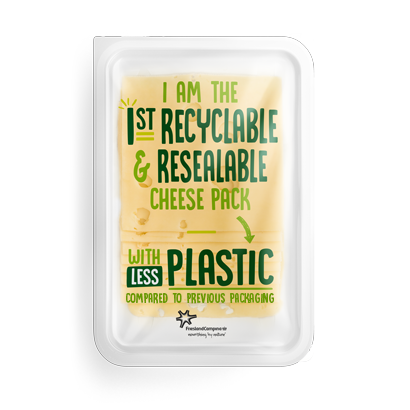
We’re seeing more cheese being packaged in fully recyclable PP tubs and lids, for example. This is a significant improvement over multi-layer films, which often require separation of different materials—a process that’s often not feasible or cost-effective. The shift to mono-material structures requires careful consideration of barrier properties.
Sometimes, mono-material options don’t provide the same level of protection against oxygen, moisture, or light as multi-layer films. This can affect the shelf life and quality of the cheese. Manufacturers are addressing this challenge by developing innovative additives and coatings that enhance the barrier properties of mono-material plastics. It’s a trade-off, but one that’s becoming increasingly worthwhile as recycling infrastructure improves.
Mono-Material Packaging Options for Artisan Cheeses: A Comparative Overview (2026 Trends)
| Material | Recyclability | Barrier Properties | Cost | Cheese Suitability |
|---|---|---|---|---|
| Polypropylene (PP) | Generally recyclable where #5 PP facilities exist, but rates vary significantly by region. | Good moisture barrier, moderate oxygen barrier. | Moderate | Well-suited for hard and semi-hard cheeses; can work for shredded with proper design. |
| Polyethylene (PE) | Recyclability is increasing, particularly with advancements in film recycling, but infrastructure is still developing. | Excellent moisture barrier, poor oxygen barrier – often requires co-extrusion or coatings for extended shelf life. | Lower | Best for soft and fresh cheeses where moisture retention is critical; less ideal for long-term storage of hard cheeses. |
| Polyethylene Terephthalate (PET) | Widely recyclable, with established recycling streams in many areas. | Excellent oxygen barrier, good moisture barrier, but can be affected by humidity. | Higher | Suitable for shredded and block cheeses requiring extended shelf life; may not be ideal for very oily or aged cheeses. |
| PP (with Calcium Carbonate Filler) | Recyclability similar to standard PP, potential for increased circularity with filler content. | Slightly reduced moisture barrier compared to standard PP, oxygen barrier remains moderate. | Comparable to PP | Good for hard and semi-hard cheeses, offering a more sustainable option without significant performance loss. |
| PE (Bio-based) | Recyclability is the same as traditional PE, offers a renewable feedstock source. | Barrier properties are similar to standard PE – requires modifications for oxygen protection. | Higher | Suitable for fresh and soft cheeses, appealing to environmentally conscious consumers. |
| PET (Recycled Content) | Maintains recyclability of PET, reduces reliance on virgin materials. | Barrier properties are generally maintained, but can vary depending on the quality of the recycled material. | Moderate to Higher | Versatile, suitable for a range of cheese types depending on the recycled content and any additional treatments. |
Qualitative comparison based on the article research brief. Confirm current product details in the official docs before making implementation choices.
Beyond Plastic: Molded Pulp & Other Alternatives
The search for alternatives to plastic is leading to exciting innovations in cheese packaging. Molded pulp, made from recycled paper fibers, is gaining traction, particularly for cheese ends, smaller portions, or as a protective layer within a larger package. It's a relatively inexpensive and readily available material.
Beyond molded pulp, we're seeing exploration of more cutting-edge options. Mycelium packaging, grown from mushroom roots, is a fascinating possibility—it’s biodegradable and can be molded into various shapes. Seaweed-based films are also being investigated, offering a renewable and compostable alternative to traditional plastics. However, these newer technologies are still in relatively early stages of development.
Scalability and cost are significant hurdles for many of these alternatives. Mycelium packaging, for example, requires controlled growing conditions and can be time-consuming to produce. Seaweed-based films can be fragile and may not offer the same barrier properties as plastics. While these materials hold promise, widespread adoption will require further research and development to overcome these limitations.
Airtight & Sustainable: Balancing Preservation & Planet
Cheese, particularly certain varieties, requires specific atmospheric conditions to maintain its quality. It needs to breathe to allow for the development of its flavor, but it also needs to be protected from drying out and absorbing unwanted odors. Sustainable packaging solutions must address both of these needs.
Innovative closures are playing a key role. Resealable lids and pouches made from mono-materials or compostable films help maintain freshness while minimizing waste. Modified atmosphere packaging (MAP) using eco-friendly films is another approach. MAP involves altering the gas composition within the package to extend shelf life and preserve flavor.
Proper storage techniques are also critical. Even the most sustainable packaging won’t protect cheese if it’s not stored correctly. Educating consumers about optimal storage conditions—temperature, humidity, and airflow—is an important part of the equation. Ultimately, 'sustainable' shouldn’t mean sacrificing cheese quality or shortening its shelf life.
The Future of Cheese Boards: Zero-Waste Charcuterie
The responsibility for sustainable cheese consumption doesn’t solely lie with cheesemakers and packaging companies. Consumers also have a crucial role to play. Embracing zero-waste practices when assembling and enjoying cheese boards is a great place to start.
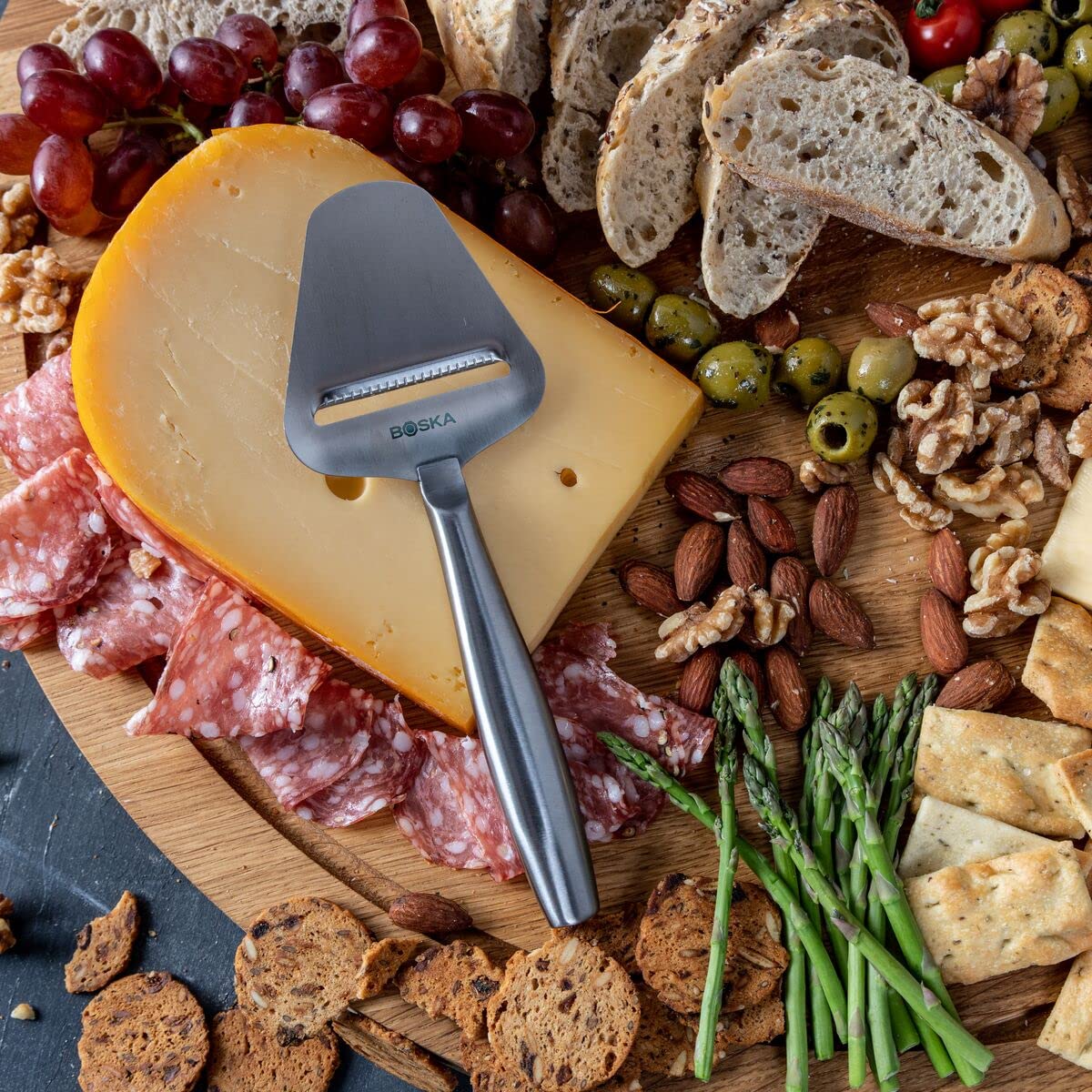
Reusable cheese boards made from wood, slate, or bamboo are a sustainable alternative to disposable options. Beeswax wraps offer a natural and reusable alternative to plastic wrap for storing cheese. Reusable containers and glass jars can be used to transport and store cheese leftovers. The trend of "naked cheese"—selling cheese without any packaging—is also gaining momentum.
Here are a few simple tips for creating a zero-waste charcuterie board: buy cheese from bulk bins when possible, choose local and seasonal accompaniments, compost cheese rinds (where appropriate), and repurpose leftover cheese into other dishes. Small changes can make a big difference.
- Buy from bulk bins to skip the wrapper entirely
- Choose local and seasonal accompaniments
- Compost cheese rinds (where appropriate)
- Repurpose leftover cheese into other dishes
Emerging Sustainable Packaging Solutions Discussed at Cheese Expo
| Packaging Type | Key Features/Innovation | Reported Benefits | Source (Cheese Expo Attendee Tweet) |
|---|---|---|---|
| Compostable Film | Utilizes plant-based materials for full compostability. | Reduced landfill waste; aligns with consumer demand for eco-friendly options. | Attendee Tweet: 'Really impressed with the compostable film options at #CheeseExpo! Several vendors showing materials that can break down in home composts. Huge for artisan producers.' |
| Mono-Material Packaging | Packaging constructed from a single polymer type (e.g., PP or PE). | Improved recyclability compared to multi-material laminates; simplifies the recycling process. | Attendee Tweet: 'Lots of talk about mono-material packaging at #CheeseExpo. Makes recycling SO much easier. Seeing a lot of focus on PP for cheddar wraps.' |
| Modified Atmosphere Packaging (MAP) with Reduced Plastic | MAP technology combined with thinner, more efficient plastic films or alternative materials. | Extended shelf life while minimizing plastic usage; maintains cheese quality. | Attendee Tweet: 'Interesting MAP solutions on display at #CheeseExpo - reducing plastic weight by up to 15% while maintaining the same shelf life. Innovation is key!' |
| Reusable/Returnable Containers | Durable containers designed for multiple uses; often part of a deposit-return system. | Significant reduction in single-use packaging waste; fosters a circular economy. | Attendee Tweet: 'Saw some cool reusable container systems for smaller cheese portions at #CheeseExpo. Could be a game changer for farmstead producers.' |
| Bio-Based Coatings | Application of plant-derived coatings to paper or cardboard packaging. | Provides a moisture barrier and enhances recyclability compared to traditional plastic coatings. | Attendee Tweet: 'Bio-based coatings on cardboard are gaining traction! Saw some demos at #CheeseExpo that showed excellent barrier properties. #sustainablepackaging' |
| Airtight Packaging Solutions | Focus on packaging that maintains optimal airflow and prevents spoilage. | Maintains cheese quality, reduces food waste, and minimizes the need for preservatives. | Attendee Tweet: 'Packaging that maintains freshness is essential. Several vendors at #CheeseExpo highlighted airtight packaging solutions for soft cheeses.' |
Illustrative comparison based on the article research brief. Verify current pricing, limits, and product details in the official docs before relying on it.
Innovations in Degassing & Package Integrity
Degassing is a critical process for certain cheeses, particularly bloomy rind varieties like Brie and Camembert. During aging, these cheeses release carbon dioxide gas, which can cause the package to swell and potentially compromise the cheese’s quality. Proper degassing is essential for maintaining the cheese’s shape, texture, and flavor.
VP-Packaging highlights the importance of degassing in mozzarella cheese packaging as well, contributing to shelf life and appearance. Packages need to be designed to allow for controlled gas release while still providing a protective barrier against oxygen and moisture. This often involves incorporating micro-perforations or using films with specific permeability characteristics.
Evaluating package integrity is equally important. Tests such as airtightness tests, anti-puncture ability tests, and seal strength tests are used to ensure that the packaging can withstand the rigors of handling and transportation. These tests help identify potential weaknesses in the packaging and prevent spoilage or damage. Package thickness and print inspection are also vital quality control measures.


No comments yet. Be the first to share your thoughts!