

How to pick a board size
Choosing the right board size is less about aesthetics and more about geometry. A board that is too small forces you to crowd ingredients, turning a grazing experience into a cramped stack of snacks. Conversely, a board that is too large for your space or guest count looks sparse and discourages guests from reaching for the far edges. The goal is to find a surface area that accommodates your typical gathering without overwhelming the room.
For intimate dinners of two to four people, a compact board between 12 and 16 inches is ideal. This size allows you to showcase a few high-quality items without leaving large gaps of empty wood. If you are serving a larger party of eight to ten, you will need a board that is at least 18 to 24 inches wide. This extra space prevents the "gridlock" effect where guests have to move crackers and meats around to access the center. For gatherings of twelve or more, consider using multiple smaller boards or a massive slab that spans the length of a table.
The type of cheese you serve also dictates the necessary footprint. Hard, dense cheeses like Romano or Pecorino can be sliced thin and arranged in tight clusters, requiring less space. Soft, round cheeses like Camembert or Taleggio need more room to breathe and be cut without collapsing. A whole Camembert takes up significantly more surface area than an equivalent weight of sliced hard cheese, so factor in the shape of your primary dairy selection when measuring.
To help you visualize the scale, here is a reference for how board sizes generally correlate with guest counts:
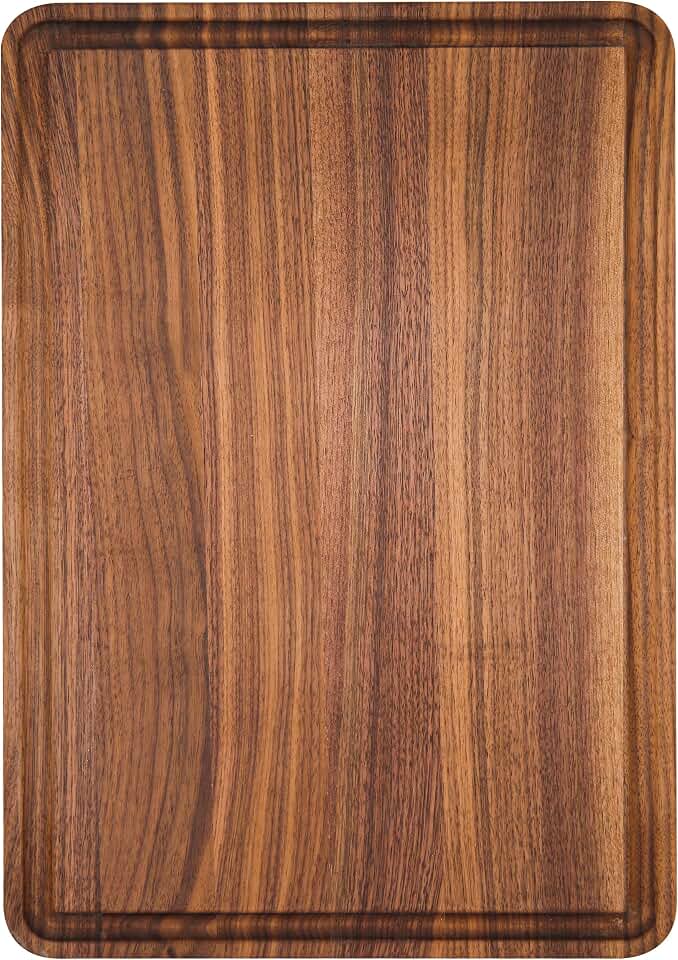
When shopping for the right dimensions, look for boards that offer enough perimeter for arrangement. A rectangular board often provides more usable length for linear arrangements of meats and cheeses than a round board of the same surface area. Here are some options that range from intimate to expansive:


As an Amazon Associate, we may earn from qualifying purchases.
Best overall walnut boards
Walnut is the standard for a reason. The wood is dense enough to resist knife marks but soft enough to feel warm against the hand. It also has a dark, rich tone that makes pale cheeses like Camembert and Taleggio pop visually. A good walnut board acts like a neutral gallery wall, letting the food be the center of attention without competing for space.
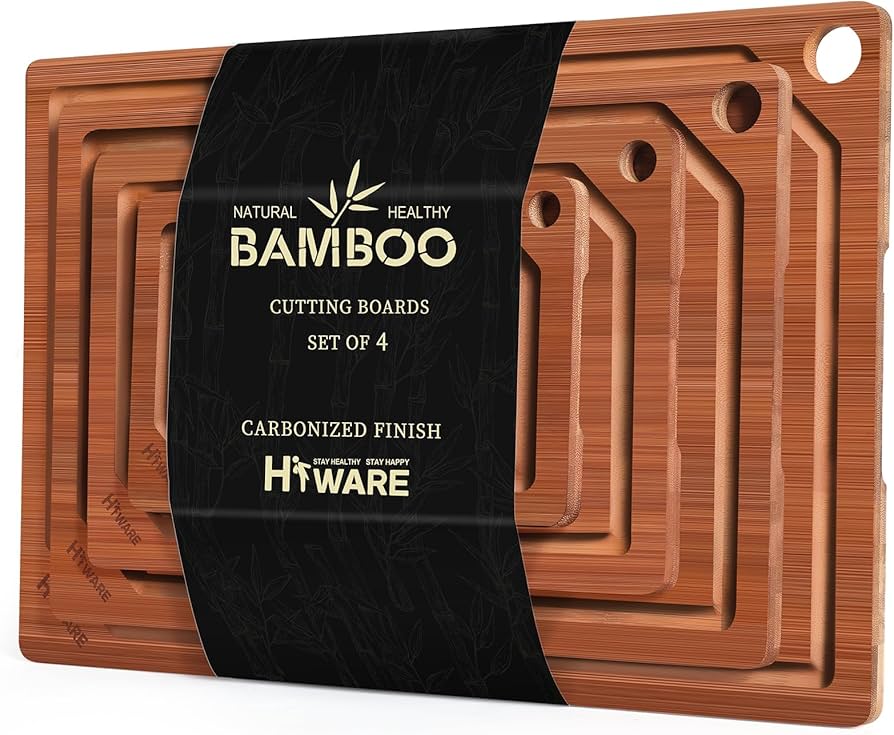
We looked for boards that balance sturdiness with a manageable footprint. You need enough surface area to arrange meats and cheeses without crowding, but not so much that it dominates your coffee table. The following picks offer that sweet spot, with smooth edges and deep juice grooves to catch any stray olive oil or cheese whey.


As an Amazon Associate, we may earn from qualifying purchases.
Stone and marble boards
Stone and marble boards serve a specific functional purpose: thermal mass. Unlike wood, which insulates and retains ambient temperature, stone actively cools. This makes it the superior choice for cheese-heavy boards, particularly when serving soft, high-fat varieties like Camembert and Taleggio. These cheeses soften quickly at room temperature, turning greasy and difficult to slice. A chilled stone slab keeps them firm and sliceable for longer, preserving the intended texture and flavor profile.
The cooling effect is also beneficial for harder, aged cheeses that benefit from a slight chill to sharpen their flavor, such as Romano. While not as critical as with soft cheeses, the stone surface prevents these denser cheeses from becoming overly crumbly or bland as they warm. The non-porous nature of polished stone also means it won't absorb the strong aromas of pungent cheeses, keeping the board's surface neutral and clean.


As an Amazon Associate, we may earn from qualifying purchases.
Best personalized and gift boards
A personalized charcuterie board transforms a standard snack into a memorable gift. Engraving turns a simple wooden slab into a keepsake that outlasts the food. This approach works especially well for milestones like weddings, housewarmings, or anniversaries, where the board becomes part of the home decor long after the cheese is gone.
When selecting a board for gifting, the material and size matter as much as the customization. Look for durable hardwoods that can handle frequent washing. Ensure the surface is large enough to accommodate a variety of items without feeling cramped.
Consider the pairing potential when choosing a board. A well-sized board allows you to arrange distinct flavors side by side. You can place a soft Camembert next to a sharp Romano, or balance a pungent Taleggio with sweet figs. The right board makes these combinations easy to serve and visually appealing.


As an Amazon Associate, we may earn from qualifying purchases.
Essential cheese knives to pair
A sharp knife makes the difference between a clean slice and a crumbled wedge. The right tool respects the texture of each cheese, from the brittle snap of aged Romano to the creamy yield of soft Camembert. Using the wrong blade can ruin the presentation and the eating experience.
Look for a blade with small holes or a wide, flat profile. These features prevent hard cheeses like Romano or Parmigiano from sticking to the metal. The thin edge cuts through the crystalline structure without crushing the cheese.
Choose a knife with a narrow, forked tip or a flat, spade-like blade. This design allows you to slide under delicate rinds like Camembert or Taleggio without tearing the creamy interior. The forked tip helps lift and serve the soft cheese intact.


As an Amazon Associate, we may earn from qualifying purchases.
How to assemble your board
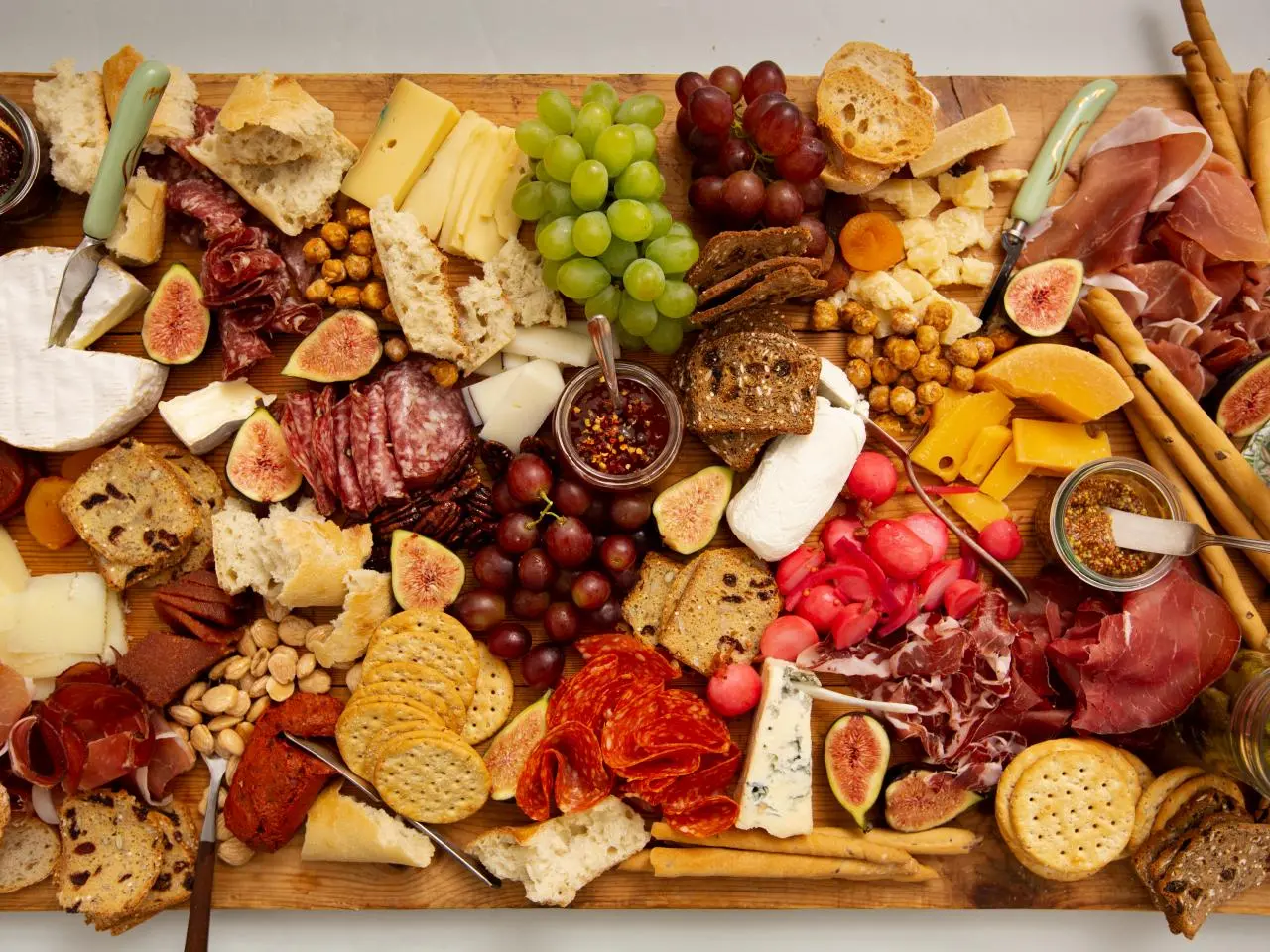
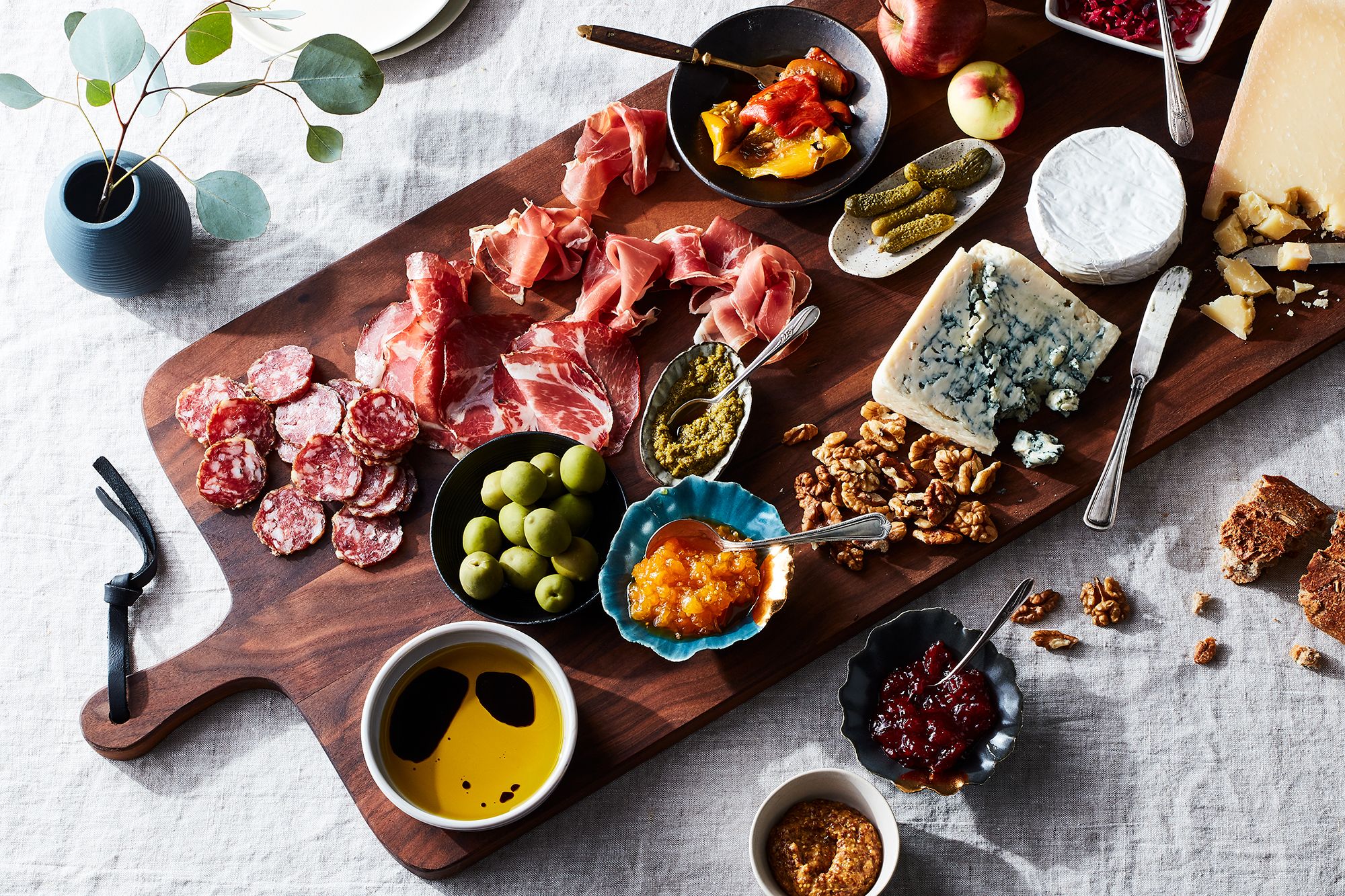
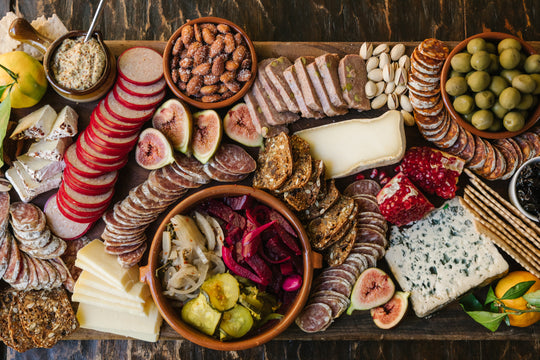
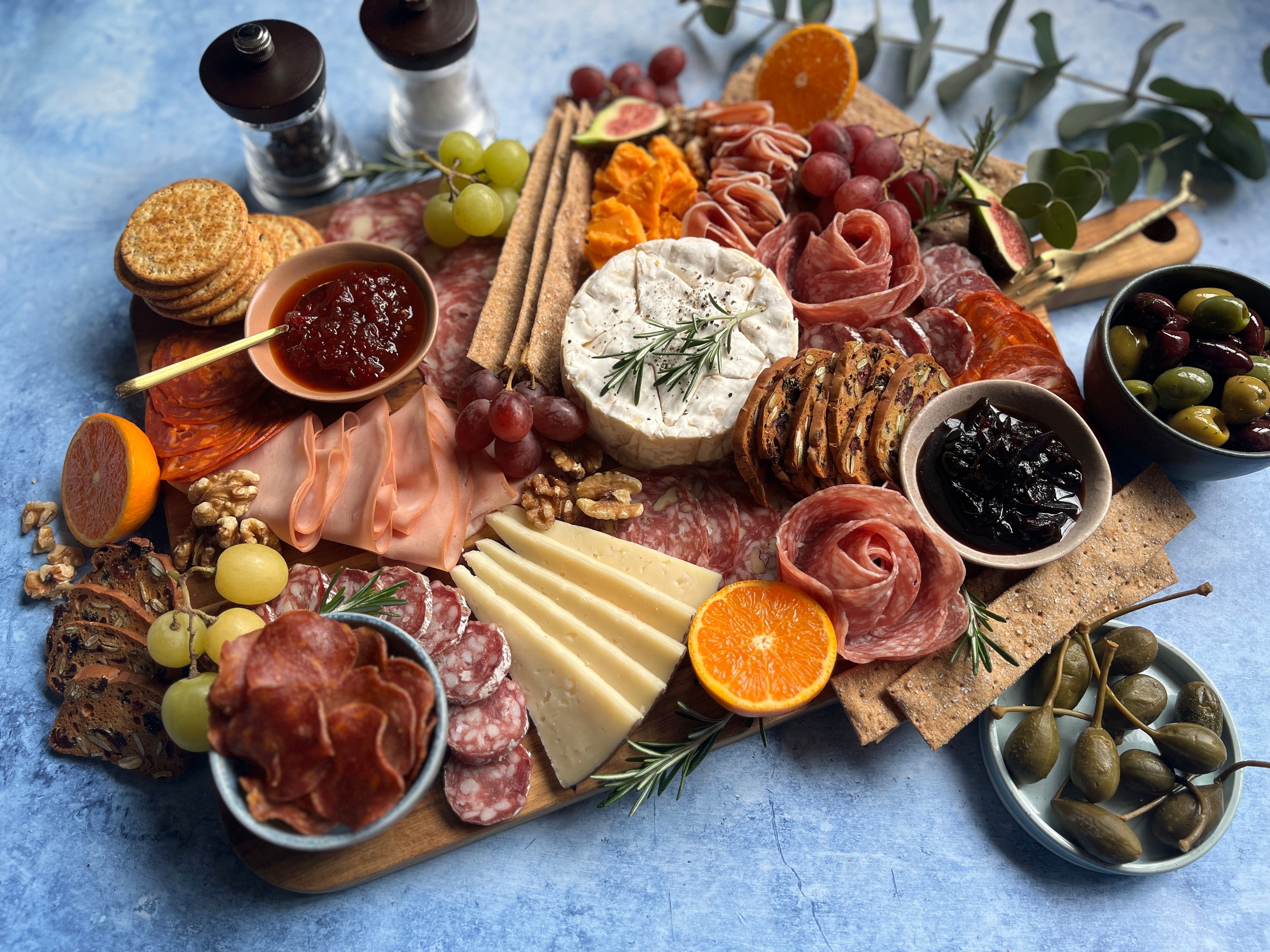
Building a balanced charcuterie board is less about strict rules and more about creating a visual and flavor journey. Start by placing your largest cheeses, like a wheel of Camembert or a wedge of Taleggio, directly on the board. These soft, creamy anchors define the board's texture and set the stage for the sharper elements to come.
Next, scatter your harder cheeses, such as aged Romano, around the board to create visual height and contrast. The granular texture of Romano provides a necessary counterpoint to the soft rinds of the other cheeses. Fill in the empty spaces with cured meats, folding slices into rosettes to add volume and guide the eye across the spread.
Finally, bridge the gaps with crackers, nuts, and fruit. This step ensures that every bite has a mix of salty, savory, and sweet elements. Avoid overcrowding; leave enough room for guests to grab a knife and plate without disturbing the arrangement.


As an Amazon Associate, we may earn from qualifying purchases.
Common cheese board: what to check next
Choosing the right cheeses and maintaining your board are essential for a successful spread. Here are answers to frequent queries about selection and care.
Which cheeses work best on a board?
A balanced board typically includes a mix of textures and flavors. Soft, creamy cheeses like Camembert or Taleggio provide a rich contrast to cured meats. For a sharper, harder option, Pecorino Romano adds a salty punch that pairs well with sweet fruits. Aim for three to five varieties to keep the selection interesting without overwhelming guests.
How do I keep my cheese board fresh?
Cheese should be served at room temperature to release its full flavor profile. Remove cheeses from the refrigerator 30 to 60 minutes before plating. If you are hosting a large party, keep a separate section of chilled cheese to swap out as the board empties, ensuring every slice is at its peak freshness.
Can I prepare the board ahead of time?
You can assemble most of the non-perishable elements—like crackers, nuts, and dried fruits—hours in advance. However, it is best to add the cheeses and fresh fruits just before serving to prevent browning or drying out. Cover the board loosely with plastic wrap if you need to store it briefly in the fridge, but let it warm up again before presenting.
No comments yet. Be the first to share your thoughts!