


Read the palette first
Before you slice the Taleggio or open the Camembert, you need a clear plan for your board. A personalized cheese board is not just a pile of ingredients; it is a curated experience. If you skip the prep, you risk a chaotic spread that confuses rather than delights your guests.
Start by defining the theme. Are you hosting a casual wine night or a formal dinner? The theme dictates the cheese selection, the accompaniments, and even the serving ware. For a 2026 trend focused on soft, pungent, and creamy textures, prioritize Taleggio and Camembert as your stars. These cheeses demand specific handling to shine.
Next, check your tools. You cannot style a proper board without the right knives. A soft cheese like Camembert requires a flexible wire or a wide blade to prevent crushing. Taleggio, with its sticky rind, needs a different approach. Gather your crackers, fresh fruits, and nuts before you begin. This ensures you can arrange the board with intention, creating visual balance and flavor harmony.
Finally, consider the temperature. Cheese tastes best when it is not cold. Take your Taleggio and Camembert out of the fridge at least an hour before serving. This simple step allows the fats to soften and the aromas to open up, transforming a simple snack into a memorable tasting experience.
Build the outfit
A personalized cheese board looks polished when every element has a clear role. You are not just stacking food; you are constructing a narrative around Taleggio and Camembert. These two soft cheeses bring distinct textures and flavors, so your board needs to support them without competing.
Start with the foundation: the board itself. Choose a surface that is large enough to hold everything without crowding. Wood or stone works best because it adds warmth and texture. Make sure the surface is clean and dry before you begin. A wet board can make crackers soggy and ruin the presentation.
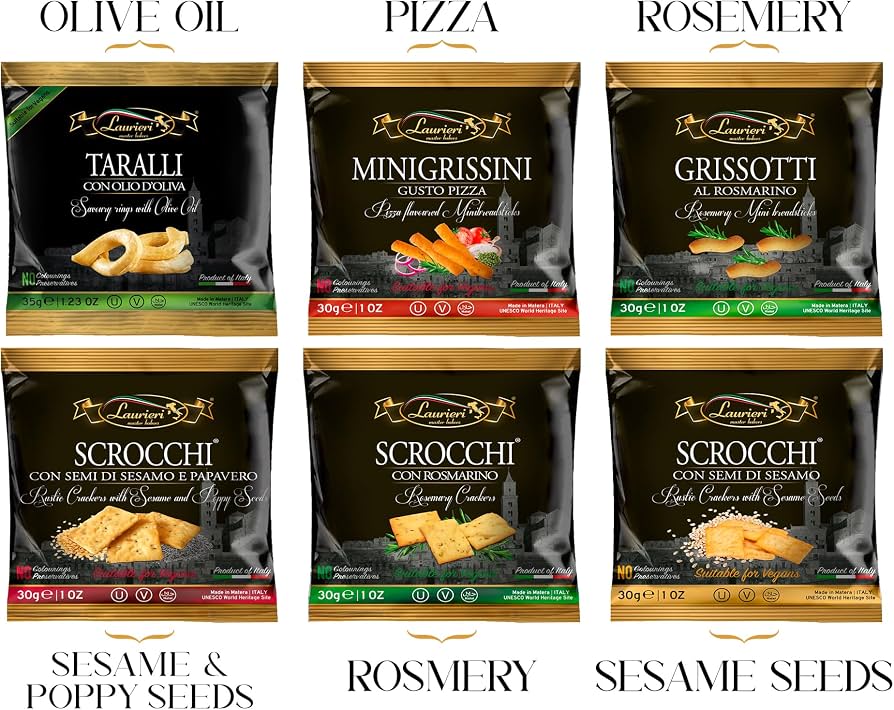
Next, select your vehicles. You need a mix of textures to contrast the creamy cheeses. Include crisp water crackers for a neutral base, sturdy baguette slices for substance, and something sweet like fig jam or honey for balance. Arrange these items first to create visual anchors. Place them at the corners or along the edges of the board. This leaves the center open for the stars of the show.
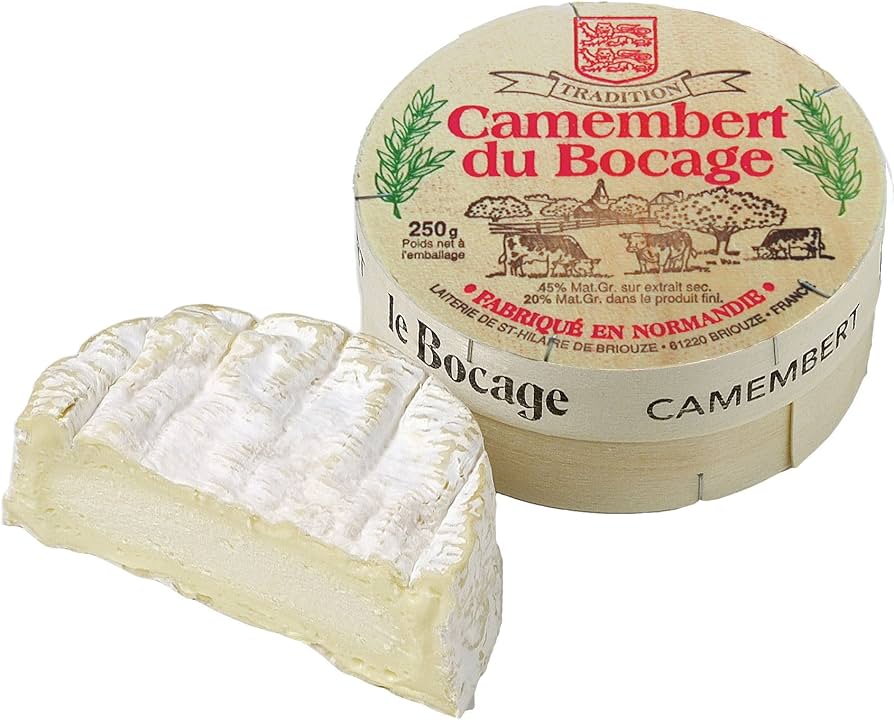
Now, introduce the Taleggio and Camembert. Both are soft, but they behave differently. Camembert is mild and earthy, while Taleggio is pungent and washed-rind. Cut the Camembert into wedges or small cubes for easy handling. Slice the Taleggio thinly so its aroma can breathe. Place these cheeses in the center or at focal points. Leave space around them for garnishes.
Add the final touches with color and crunch. Scatter nuts like walnuts or almonds for texture. Include fresh fruit like grapes or apple slices for acidity. These elements break up the white and beige tones of the cheeses. They also provide palate cleansers between bites. Don't forget small bowls for spreads or jams. Place them strategically to avoid clutter.
Check your balance. Is there enough variety? Are the cheeses accessible? Adjust as needed. A good board invites interaction. It should look abundant but organized. Remember, the goal is to highlight the Taleggio and Camembert, not overwhelm them. Keep it simple, intentional, and delicious.
As an Amazon Associate, we may earn from qualifying purchases.
Mistakes that flatten the colors
A cheese board relies on visual contrast to guide the eye. When colors blend together, the board looks muddy and unappetizing. This section highlights the specific errors that drain vibrancy from your presentation, especially when using soft, pale cheeses like Taleggio and Camembert.
Ignoring the contrast between soft and hard textures
Taleggio and Camembert are soft, creamy cheeses with muted, off-white rinds. If you place them next to similarly pale crackers or bland accompaniments, the board loses definition. You need high-contrast elements to make the cheese pop.
Choose dark, crusty breads like rye or pumpernickel. Their deep brown hues create a striking backdrop for the pale cheese. Avoid white saltine crackers or plain baguette slices, which disappear against the cheese rind.
Skipping the bright accent colors
Pale cheeses need a splash of color to prevent the board from looking washed out. Without vibrant accents, the presentation feels flat and one-dimensional. You don’t need a rainbow, but you do need points of visual interest.
Add deep reds, greens, and purples. Fresh figs, dark grapes, or bright red pepper jelly provide the necessary contrast. Even a handful of bright green pistachios or fresh rosemary sprigs can break up the monotony of beige and white tones.
Overcrowding with similar shades
Don’t cluster all the light-colored items in one area. When pale crackers, pale cheese, and pale nuts sit together, they merge into a single blob. This lack of separation makes the board look cluttered and unorganized.
Stagger the placement. Place a dark nut or a piece of fruit between each cheese wedge. This creates breathing room and ensures each element stands out. Use the negative space on the board to highlight the cheese, rather than filling every inch with similar-toned items.
No comments yet. Be the first to share your thoughts!