

What makes a cheesie different
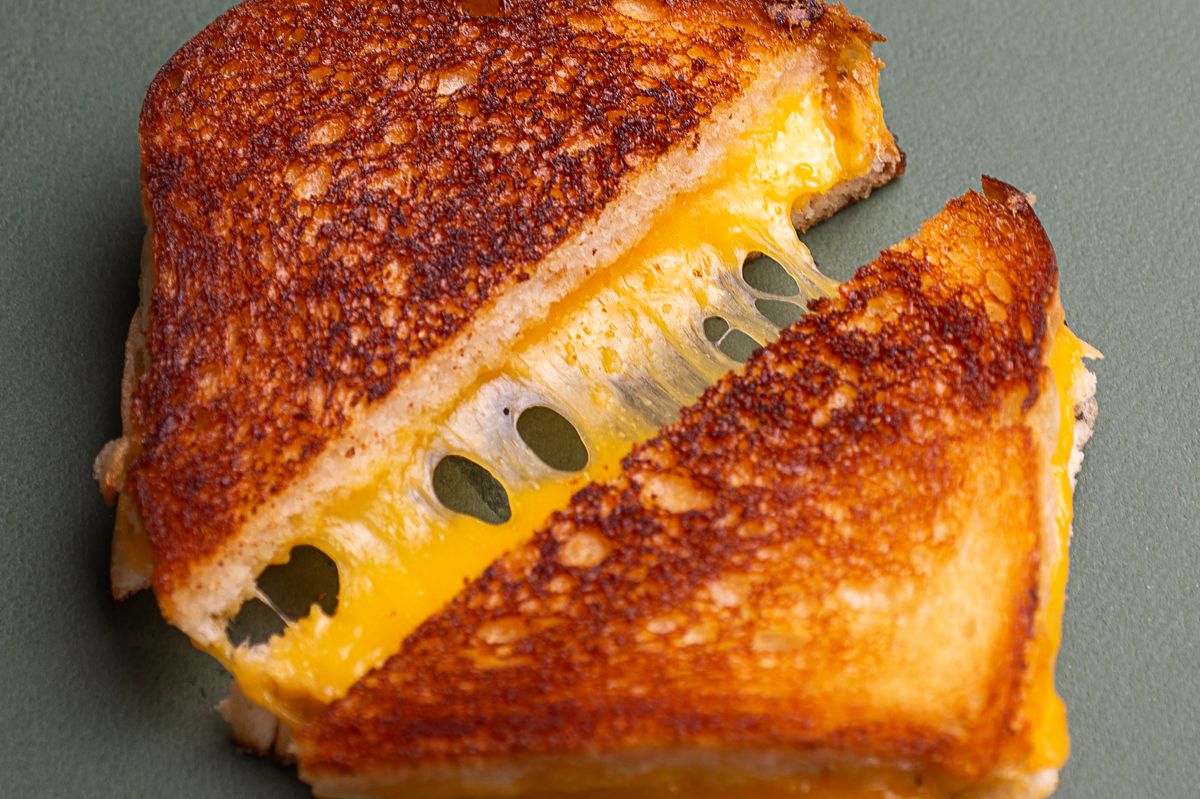
A standard grilled cheese relies on gentle heat to melt cheese between two slices of bread. A cheesie flips that logic. The defining characteristic is the smash. You start with a single, thick slice of white bread, place cheese on one side, and press it flat against a hot, buttered skillet. This creates a massive surface area that crisps into a golden, lace-like crust while the cheese melts directly into the bread's texture.
The result is a sandwich that is less about the structural integrity of two slices and more about the contrast between a shatteringly crisp exterior and a gooey, molten center. The edges curl up and fry into a savory, buttery fringe that is often the best part of the bite. It is a texture-first experience, prioritizing crunch and caramelization over the soft, uniform melt of a traditional sandwich.
Ingredients and tools you need
Building an authentic Chicago-style Cheesie starts with selecting the right components. The defining characteristic of this dish is the "smashed" technique, which requires specific ingredients to achieve that signature crispy, lacy crust and molten center.
The Essentials
You will need two slices of white sandwich bread. While sourdough is common for traditional grilled cheeses, the soft texture of white bread allows it to crisp up quickly under the press without burning before the cheese melts. For the cheese, use American cheese slices. Their emulsified nature ensures a smooth, creamy melt that blankets the burger patty evenly. Avoid aged cheddar or Swiss, which can become oily or separate when pressed flat.
The Toolkit
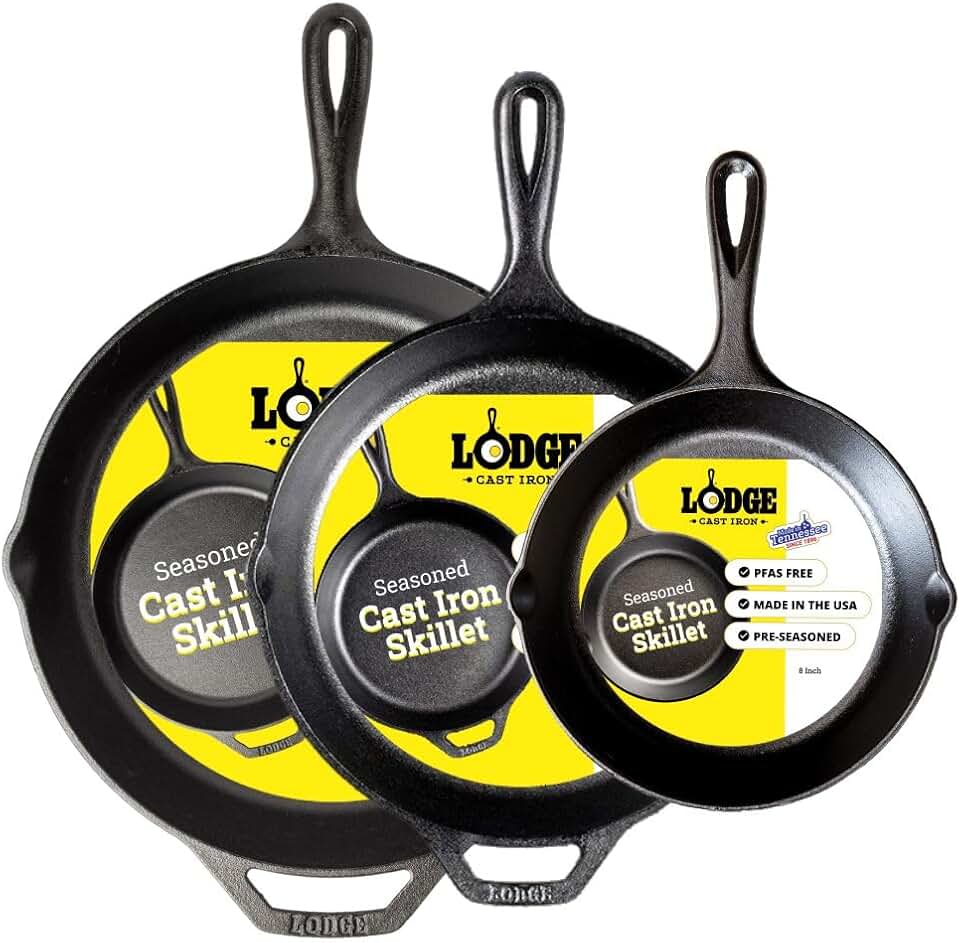
The most critical tool is a heavy skillet, preferably cast iron. Cast iron retains heat effectively, which is necessary to sear the bread instantly upon contact. You also need a sturdy spatula for flipping and a heavy object to press down on the sandwich. Many home cooks use a second skillet, a cast-iron press, or even a heavy cast-iron lid to simulate the restaurant-style flattening process.

As an Amazon Associate, we may earn from qualifying purchases.
Make the cheesie step by step
A true Chicago cheesie is defined by its crust. The magic happens when you press down on the sandwich while it cooks, forcing the buttery bread and melting cheese into a unified, golden slab. This "smashed" technique creates the signature texture that separates a cheesie from other grilled cheese variations.
Start with two slices of white bread. Butter the outside of both slices generously; this is what creates the crispy exterior. Place your cheese—usually American or cheddar—between the unbuttered sides. The raw butter on the outside is critical for the browning process.
Place the sandwich in a cold skillet. Turn the heat to medium-low. As the pan warms, press down firmly on the sandwich with a spatula. You want to flatten it until it is almost two-dimensional. This pressure ensures maximum contact with the pan, which is the secret to that iconic crunchy crust.

Cook for about three to four minutes until the bottom is deep golden brown and the cheese is fully melted. Flip the sandwich carefully, pressing down again immediately. Cook the second side for another three minutes. The goal is a uniform, crispy shell with a gooey, molten center. Slice diagonally and serve immediately while the cheese is still fluid.
The result should be a cohesive unit, not two slices of bread holding a puddle of cheese. If the crust isn't crisp, you didn't press hard enough. If the cheese isn't melted, the heat was too high, burning the bread before the center could warm. Master the smash, and you master the cheesie.
Common mistakes to avoid
Even with the right ingredients, a cheesie can fall apart if the technique slips. The "smashed" method relies on precise heat and pressure to create that signature shatter-crisp crust while melting the cheese into a gooey center. Skip these steps, and you are left with a soggy, uneven sandwich that misses the point entirely.
Using heat that is too high
High heat is the quickest way to ruin a cheesie. If the pan is screaming hot, the bread will char to black before the cheese has a chance to soften. The goal is a golden-brown, crisp exterior that gives way to a tender, molten interior. Keep your burner on medium-low heat. This slower cook allows the butter to penetrate the bread and the cheese to melt completely without burning the surface.
Skipping the smash
Pressing down on the sandwich is not optional; it is the defining characteristic of a cheesie. If you leave the bread floating, you get a standard grilled cheese with a gap of unmelted cheese in the middle. Use a spatula to press firmly and evenly across the top slice. This ensures maximum contact between the bread and the hot pan, creating a larger surface area for that essential crispy crust.
Picking the wrong cheese
Not all cheeses melt equally. Low-moisture cheddar can be gritty or oily when heated, while pre-shredded bags often contain anti-caking agents that prevent a smooth melt. Use fresh blocks of cheddar, American, or a blend, and grate them yourself. Freshly grated cheese has more surface area and melts into a uniform, creamy blanket that binds the sandwich together.
Overfilling the sandwich
A cheesie should be a balance of crispy bread and molten cheese, not a cheese bomb. If you pile on too much cheese, the bread cannot crisp properly, and the sandwich becomes a structural hazard that collapses when you bite into it. A thin, even layer of cheese is all you need. Let the crunch of the bread be the star, supported by the cheese, not buried by it.
Pairing the Smashed Sandwich
A cheesie is a substantial, heavy sandwich, so it needs a lighter, acidic counterpoint to cut through the richness of the melted cheese and buttery crust. The classic Chicago pairing is a bowl of creamy tomato soup. The acidity of the tomatoes balances the fat of the cheese, while the warmth of the soup complements the hot, crispy exterior of the sandwich. Dip the crunchy edges for maximum texture contrast.
For a sharper, simpler option, serve the cheesie with dill pickles or a small side salad. The vinegar and crunch of pickles cleanse the palate between bites, preventing the heavy cheese from becoming overwhelming. A light vinaigrette salad with arugula or mixed greens adds a necessary bitter note that keeps the meal from feeling too one-dimensional.
If you want to turn this into a full pub-style meal, consider adding crispy fries or onion rings. The saltiness of the potatoes pairs perfectly with the savory cheese, but be mindful of portion sizes—the cheesie is already filling. Keep sides simple so the star of the show remains the smashed, crispy, cheesy sandwich itself.
No comments yet. Be the first to share your thoughts!