

A Wash-Rind Revelation: Taleggio's Rise
Taleggio is no longer an obscure cheese. Its popularity is surging, moving from the back of the cheese counter to the forefront. This isn't a fleeting trend; the cheese's complex character is finally being celebrated.
This soft, washed-rind cheese originates from the Val Taleggio in Lombardy, Italy, with a history stretching back to Roman times. Unlike hard, grating cheeses such as Parmesan or Pecorino Romano, Taleggio is defined by its texture and aroma. It's a cow's milk cheese, distinguished by its unique rind-washing process.
Consumer tastes are evolving beyond staples like mozzarella and provolone. An increasing adventurousness and desire for bolder flavors and unique experiences have created an environment where Taleggio can shine.
The Making of Taleggio: A Labor of Love
Taleggio production follows strict regulations, beginning with cow's milk from cows raised in the defined Taleggio valley region. This adherence to standards earns it DOP (Protected Designation of Origin) status, guaranteeing authenticity.
The cheese's defining characteristic is its washed rind. During the 60 to 90-day aging process, the rind is washed with a brine solution, encouraging the growth of Brevibacterium linens. This bacteria gives Taleggio its signature reddish-orange rind and potent aroma.
The rind is integral to flavor development, contributing a savory, almost meaty quality that balances the paste's fruitiness. Taleggio production requires skilled artisans, attention, and patience; it cannot be easily mass-produced.
Flavor Profile: Beyond the Stink
Taleggio's pungent aroma can be off-putting, but it doesn't accurately reflect the taste. The aroma is far more intense than the flavor, and the taste experience is surprisingly gentle.
Taleggio's flavor is complex and evolving. Initial fruity tang gives way to subtle meaty notes. As the cheese warms, flavors become more pronounced and balanced, offering a nuanced taste with a pleasant tang and a mild finish.
Compared to Brie (milder, buttery) and Camembert (earthy, mushroomy), Taleggio offers a unique combination of fruitiness, tang, and savory depth.
- Fruity: Initial notes of peach or apricot
- Tangy: A pleasant acidity that awakens the palate
- Savory: Subtle meaty undertones
- Mild Finish: Doesn’t linger too long on the tongue
Pairing Power: Taleggio and Its Friends
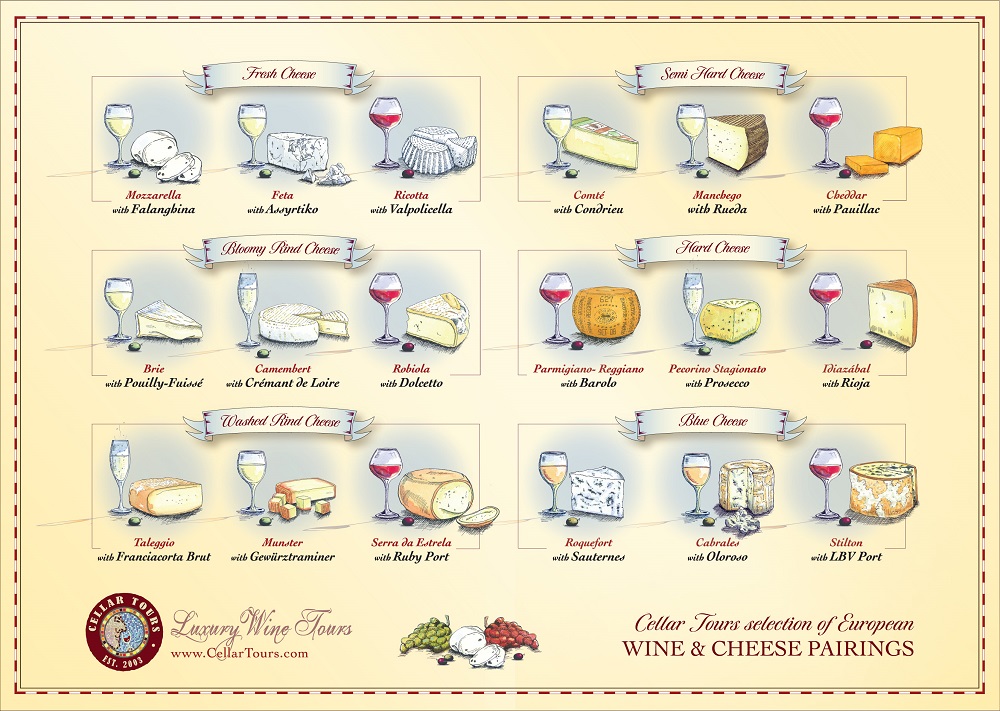
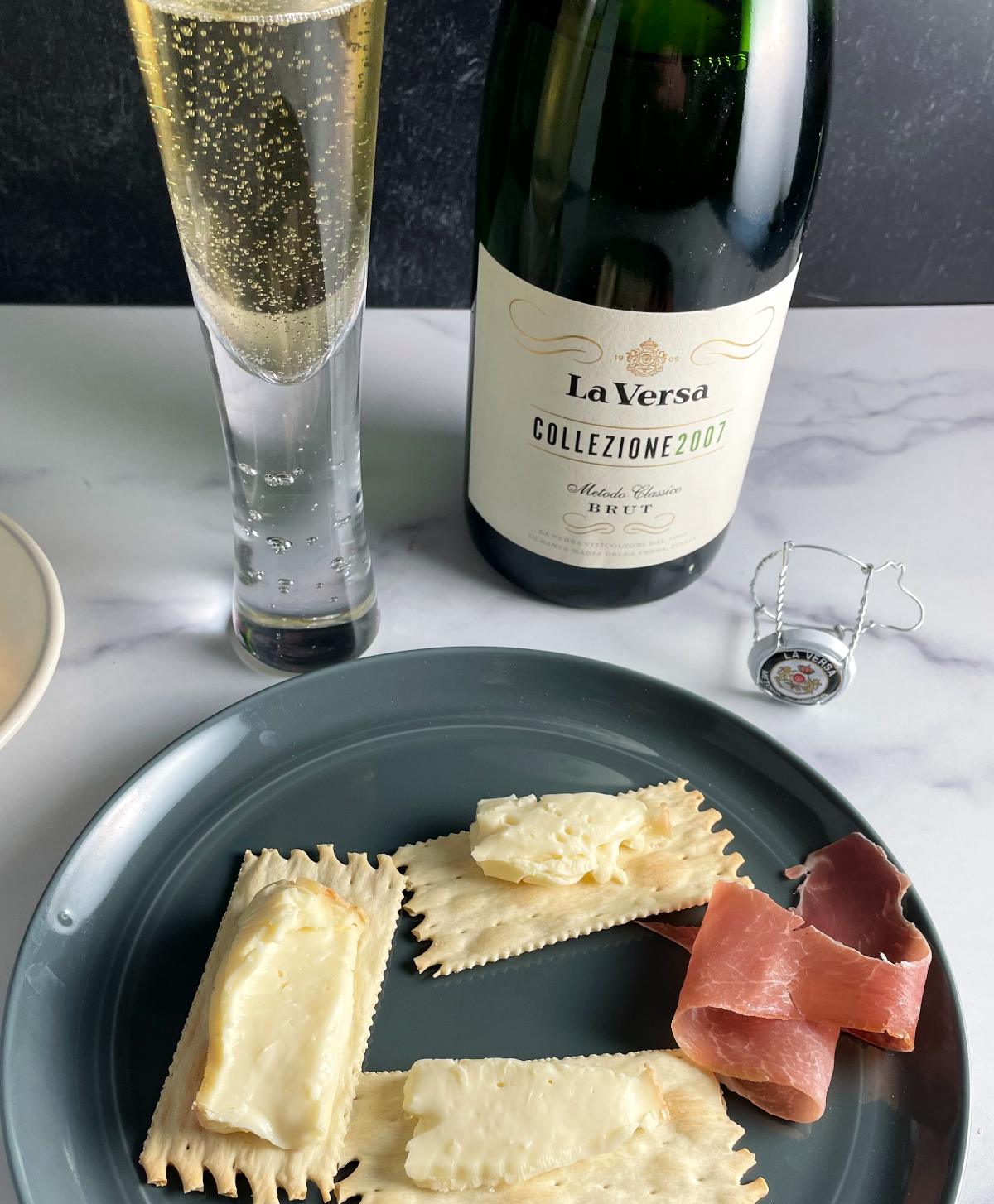
Taleggio's complex flavor profile makes it versatile for pairings. Wines like Barbera and Dolcetto from Piedmont, with their acidity, cut through the cheese's richness. Lighter-bodied Pinot Noir and slightly chilled Beaujolais also work well.
Complementary fruits include figs, pears, and apples, whose sweetness balances the cheese's tang. Nuts like walnuts and hazelnuts add textural contrast and earthy flavor. Prosciutto or other cured meats pair well, their saltiness enhancing the cheese's umami.
Taleggio is also excellent in cooking. Melt it on pizza for a creamy base, add it to risotto in the final stages for texture, or blend it into a pasta sauce for a rich, tangy coating. A drizzle of honey or fig preserves adds sweetness.
A simple pairing of Taleggio with crusty bread and olive oil is satisfying, allowing the cheese's natural flavors to shine.
Taleggio on the Board: Presentation Tips
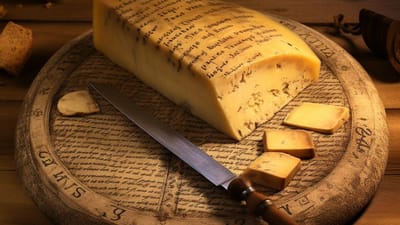
When including Taleggio on a cheese board, let it be a focal point alongside other soft cheeses like Brie or goat cheese, and a firmer cheese like Gruyère. The contrast in textures and flavors creates a dynamic experience.
Serve Taleggio at room temperature, taking it out of the refrigerator 30-60 minutes before serving to allow flavors to develop and texture to become creamy. A soft cheese knife is essential for cutting, preventing tearing and ensuring a cleaner presentation.
Garnishes can elevate presentation. A drizzle of honey, fresh herbs like thyme or rosemary, or slices of pear add visual appeal and complement the cheese’s flavor.
2026 Trends: Why Taleggio Now?
Taleggio's increasing popularity is part of a broader trend toward washed-rind cheeses, with Époisses and Munster also seeing a surge in interest. Consumers are becoming more familiar with and appreciative of these complex flavors.
Demand for artisanal products is another factor; Taleggio fits this trend with its careful production. DOP status assures quality and authenticity. Chefs are also introducing Taleggio to wider audiences by incorporating it into their menus.
Social media amplifies the trend, with posts and videos showcasing Taleggio pairings and recipes. A Reddit thread discussing Taleggio with dark chocolate and a viral tweet from a food blogger praising its versatility have sparked conversation.
Increased availability through specialty shops and online retailers makes Taleggio more accessible, contributing to its popularity.
- Reddit Thread:
- Tweet: @FoodieFanatic: “Just discovered Taleggio! Game changer. The flavor is incredible. #cheese #taleggio #italianfood”
Content is being updated. Check back soon.
When they filmed the Featherington husbands reunion, Lukey Newts said he was trying really hard not to laugh at Lorn Macdonald (Albion Finch) offering Luke Thompson (Benedict) a slice of Taleggio cheese... His attempts failed but surprisingly the scene made it to the final cut… pic.twitter.com/XcLkfaqAPV
— Polin/Lukola stander (@valgarzag) March 18, 2026
Finding and Storing Your Taleggio
You can find Taleggio at most well-stocked specialty cheese shops. Whole Foods Market and some larger grocery stores also carry it. Online retailers like Murray’s Cheese and Castello Cheese are excellent sources. When selecting a wheel, look for one that’s firm but yielding to gentle pressure. A slight ammonia smell is normal, but avoid cheeses that smell overly pungent or have any signs of mold beyond the natural rind.
To store Taleggio, wrap it tightly in wax paper or parchment paper, then place it in a resealable plastic bag or container. This will help prevent it from drying out and absorbing odors from other foods. It will keep in the refrigerator for up to a week, although the flavor may become more intense over time.
The ammonia smell is a natural byproduct of the rind washing process and doesn’t necessarily indicate spoilage. However, if the cheese smells overwhelmingly ammoniacal or has any signs of discoloration or mold beyond the rind, it’s best to discard it. Proper storage will help minimize the ammonia smell and preserve the cheese’s quality.
No comments yet. Be the first to share your thoughts!