

A Visual Guide: Romano & Parmesan
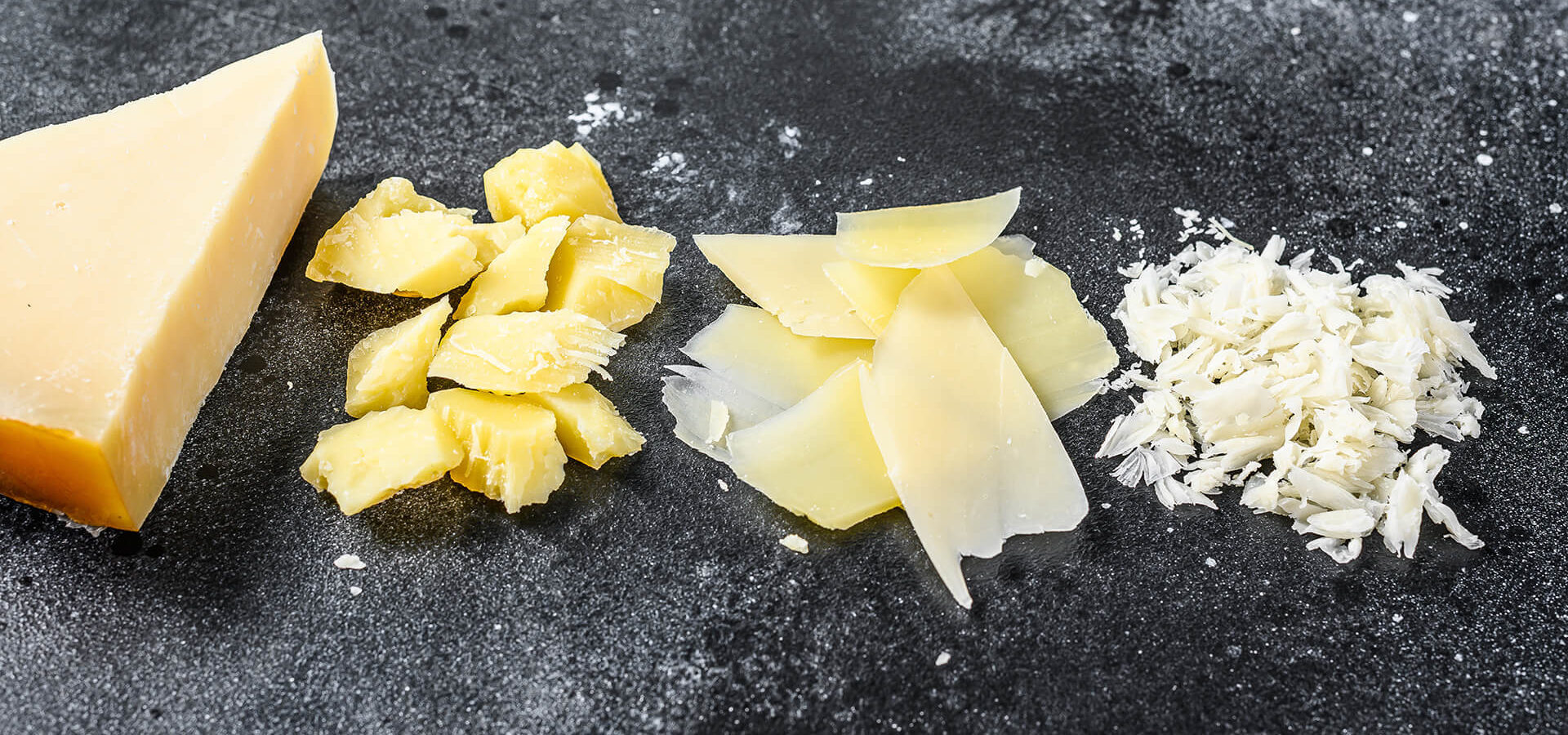
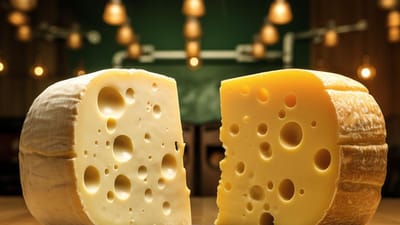
Romano and Parmesan, both hard Italian cheeses, are distinctly different. Romano, typically a pale golden color, is often sold in wedges or grated and has a firm, granular texture. Parmesan, or Parmigiano-Reggiano, leans towards a straw-yellow hue and has a slightly more crystalline structure. The difference is noticeable even before tasting.
Romano is commonly used generously in dishes where a strong, salty kick is desired, such as classic Italian-American red sauce. Parmesan, with its more nuanced flavor profile, shines when grated over finished plates or used to build complex sauces. Both are fantastic grating cheeses, but their applications often diverge.
Consider the shape. Parmesan is often sold in large, irregularly shaped pieces broken from the whole wheel, reflecting its traditional production. Romano, while also made in large wheels, is more commonly found pre-cut or grated, reflecting its frequent use as an everyday ingredient.
Romano’s Roots: A Sheep’s Tale
Romano cheese has a history stretching back to the Roman Empire. The name links directly to Rome, where it was a staple for Roman legions – its portability and long shelf life made it ideal for provisioning armies. Early versions were likely made from sheep’s milk, a tradition that continues today, valued for its concentrated flavor and nutritional benefits.
In the United States, Romano production is regulated by the FDA. According to 21 CFR 133.183, to be labeled as “Romano cheese,” it must be made from sheep’s milk, though a small percentage of goat’s milk is permitted. This regulation ensures a certain standard of quality and authenticity, focusing on the milk source.
While "Romano" evokes Italy, much of the Romano cheese consumed in the US is produced domestically, particularly in Wisconsin. Authentic Pecorino Romano, the original Italian version, is still made in Sardinia, Lazio, and Tuscany. Frank and Sal, a New York City cheese shop, highlights the quality of imported Pecorino Romano, emphasizing the distinctive flavor of sheep's milk.
Traditionally, the sheep’s milk used for Romano comes from specific breeds raised in these regions. The cheesemaking process involves rennet coagulation, salting, and aging for at least five months, though some producers age it longer to develop a more complex flavor. Aging concentrates the flavors and firms up the texture.
Parmesan’s Pedigree: From Parma to Plates
Parmigiano-Reggiano, often called Parmesan, hails from a specific region of Italy: Parma, Reggio Emilia, Modena, Bologna (west of the Reno River), and Mantua (south of the Po River). This geographical restriction is central to its identity and is protected by the European Union’s Protected Designation of Origin (PDO) status.
The PDO regulations are strict. They dictate everything from the breed of cow used (primarily Friesian) to the feed the cows consume. The cows must be fed a diet of grass and hay, and no silage or fermented feed is allowed. This commitment to traditional methods gives Parmigiano-Reggiano its unique flavor.
The cheesemaking process is lengthy and meticulous. After the milk is heated and rennet is added, the curds are cut, cooked, and then placed into molds. The wheels are then brined for several weeks and aged for a minimum of 12 months, though many wheels are aged for 24, 36, or longer. Aging significantly impacts the flavor and texture, developing signature crystalline structures.
Different ages yield different grades. Stagionato Parmesan, aged for a longer period, commands a higher price and offers a more intense, complex flavor. The lengthy aging process and strict regulations contribute to the high cost of authentic Parmigiano-Reggiano.
Flavor Profiles: A Head-to-Head Tasting
The most immediate difference between Romano and Parmesan is their saltiness. Romano is considerably saltier and sharper, with a pungent, almost tangy flavor. This isn’t a flaw; it’s intentional. The saltiness was historically a preservative, allowing it to travel and store well. It’s a cheese designed to make an impact.
Parmesan, on the other hand, is more nuanced. It has a complex flavor profile with notes of fruit, nuts, and a subtle sweetness. It's umami-rich, providing a savory depth that enhances dishes without overpowering them. The granular texture also contributes to the overall experience; it melts beautifully on the tongue.
Consider how these flavors translate to cooking. Romano, with its assertive saltiness, is perfect for dishes where you want a strong cheese flavor to cut through other ingredients. A classic cacio e pepe relies heavily on Romano’s punch. Parmesan, with its more delicate flavor, is better suited for building layers of flavor in sauces or adding a subtle umami boost to risotto.
When grating, the texture difference is apparent. Romano tends to grate into a finer, almost powdery consistency, while Parmesan produces a more flaky, granular result. This impacts how the cheese integrates into a dish and affects the final texture.
Cooking with Romano: Best Applications
Romano shines in dishes where a bold, salty flavor is desired. It’s a cornerstone of Italian-American cooking, particularly in hearty tomato sauces. It adds a depth of flavor that complements the acidity of the tomatoes beautifully. Add a generous grating of Romano to your next spaghetti and meatballs.
Pasta dishes like cacio e pepe, where Romano
Don’t underestimate Romano in salads. A grating of Romano over a simple green salad with a vinaigrette adds a delightful salty kick. It's a great alternative to Parmesan in this application if you prefer a stronger flavor. It’s also fantastic in frittatas and omelets, adding a savory depth to the egg mixture.
Be mindful of seasoning when using Romano. Because it’s so salty, you may need to reduce the amount of salt you add to the dish overall. It's a powerful flavor, so start with a small amount and add more to taste.
- Cacio e Pepe: Classic Roman pasta dish.
- Spaghetti and Meatballs: Enhance the sauce with Romano’s punch.
- Roasted Vegetables: Broccoli, cauliflower, and Brussels sprouts.
- Frittatas & Omelets: Savory depth to egg dishes.
Featured Products

Ergonomic black handle for comfortable grip · Razor-sharp stainless steel blades · Durable construction for long-lasting use
This grater is ideal for achieving the perfect fine shavings needed for both Romano and Parmesan cheeses, ensuring optimal flavor and texture in your dishes.

Ribbon grating surface for delicate shavings · Stylish black finish · Comfortable, non-slip grip
This grater is ideal for achieving the perfect fine shavings needed for both Romano and Parmesan cheeses, ensuring optimal flavor and texture in your dishes.

Fine grating surface for precise results · Vibrant red color · Comfortable handle for secure handling
This grater is ideal for achieving the perfect fine shavings needed for both Romano and Parmesan cheeses, ensuring optimal flavor and texture in your dishes.

Professional-grade fine grating for hard cheeses and aromatics · Durable stainless steel blades · Made in the USA
This grater is ideal for achieving the perfect fine shavings needed for both Romano and Parmesan cheeses, ensuring optimal flavor and texture in your dishes.

Dual-purpose tool for zesting and creating citrus twists · Sharp, corrosion-resistant stainless steel blades · Comfortable, non-slip grip
This grater is ideal for achieving the perfect fine shavings needed for both Romano and Parmesan cheeses, ensuring optimal flavor and texture in your dishes.
As an Amazon Associate I earn from qualifying purchases. Prices may vary.
Parmesan in the Kitchen: Versatility Rules
Parmesan’s versatility is one of its greatest strengths. It’s a kitchen workhorse, capable of elevating a wide range of dishes. Risotto is perhaps its most iconic application, adding a creamy texture and nutty flavor. The starch in the risotto helps emulsify the Parmesan, creating a luxurious sauce.
Parmesan is also fantastic in sauces. A simple butter and Parmesan sauce is a classic accompaniment to pasta, and grated Parmesan adds depth to cream sauces. Don’t discard the rind! It’s packed with umami and can be simmered in soups and stews to add a subtle, savory flavor.
Shaved Parmesan is a beautiful addition to salads, adding a delicate flavor and elegant presentation. It’s also delicious simply enjoyed on its own with a drizzle of balsamic vinegar. It’s a perfect appetizer or snack. The crystalline texture is delightful on the palate.
The umami flavor of Parmesan makes it a natural partner for mushrooms and other earthy ingredients. Try grating it over roasted mushrooms or adding it to a mushroom risotto for an extra layer of flavor. It complements the earthiness beautifully.
Beyond the Block: Forms & Grades
Both Romano and Parmesan are available in various forms: blocks, wedges, grated, and shaved. While convenient, pre-grated cheese often lacks the flavor and texture of freshly grated cheese. Pre-grated cheese is often coated with cellulose to prevent clumping, which can also affect the flavor.
Grating your own cheese allows you to control the texture and ensures the freshest possible flavor. A microplane grater is ideal for creating a fine, fluffy texture, while a box grater is better for coarser grating. The difference is noticeable, especially with Parmesan.
Parmesan also comes in different grades, determined by age and quality. Stagionato Parmesan, aged for 24-36 months or longer, is considered the highest quality and commands a premium price. Younger Parmesan is still delicious, but it lacks the complexity and depth of flavor of the aged varieties.
Consider the form you need for your application. Blocks and wedges are ideal for grating, while shaved Parmesan is best for salads and appetizers. Choosing the right form can enhance the overall experience.
- Blocks/Wedges: Best for grating.
- Grated: Convenient, but may lack flavor.
- Shaved: Ideal for salads and appetizers.
Romano vs. Parmesan: A Comparative Overview (2026)
| Characteristic | Romano | Parmesan |
|---|---|---|
| Saltiness | High | Medium |
| Sharpness | High | Medium |
| Texture | Hard, granular | Hard, crystalline |
| Aging Time | At least 5 months (as per US regulations) | Minimum 12 months, often longer |
| Common Uses | Grated over pasta, soups, sauces; flavoring ingredient in Italian dishes. | Grated over pasta, salads, soups; shaved for charcuterie; enjoyed on its own. |
| Price Point (Relative) | Generally comparable to Parmesan | Generally comparable to Romano |
| Overall Versatility | Medium | High |
Illustrative comparison based on the article research brief. Verify current pricing, limits, and product details in the official docs before relying on it.
Looking Ahead: Romano & Parmesan in 2026
Predicting the future of cheese is challenging, but several trends are likely to impact Romano and Parmesan in the coming years. Climate change poses a threat to milk production, potentially affecting both the quantity and quality of milk available for cheesemaking. This could lead to increased prices and a greater focus on sustainable farming practices.
The ongoing debate about PDO protection will likely continue. Maintaining the authenticity and quality of Parmigiano-Reggiano will require continued vigilance against counterfeiting and mislabeling. Consumers are becoming increasingly aware of these issues and are demanding greater transparency.
We're also seeing a growing consumer interest in artisanal cheeses and traditional cheesemaking methods. This trend could benefit both Romano and Parmesan, as consumers seek out authentic, high-quality products. The demand for aged Parmesan, in particular, is likely to increase.
Ultimately, both Romano and Parmesan are timeless cheeses with a rich history and a bright future. Their unique flavor profiles and versatility will continue to make them staples in kitchens around the world. As consumers become more discerning, the emphasis on quality and authenticity will only grow stronger.
No comments yet. Be the first to share your thoughts!