

Shredding Styles: Matching Grater to Cheese
Shredding cheese isn't a one-size-fits-all situation. You wouldn't use the same grater for a delicate snowfall of parmesan as you would for a pile of cheddar for mac and cheese. The texture of the shred impacts the final dish. A fine shred melts quickly and evenly, perfect for sauces or sprinkling over pasta, while a coarser shred holds its shape better, ideal for toppings or casseroles.
The shape of the shred matters, too. Ribbon-like shreds, created by some rotary graters, are great for visual appeal, but might not melt as uniformly as diced shreds from a flatbed grater. Consider how you’ll use the cheese when choosing a grater. The end result is what counts.
Harder cheeses, like parmesan or asiago, need a grater that can really dig in. Softer cheeses, like mozzarella, require a gentler touch. Trying to force a hard cheese through a fine grater designed for softer varieties will be frustrating, and vice versa. Use the right tool for the job to avoid a mess and get the texture you want.
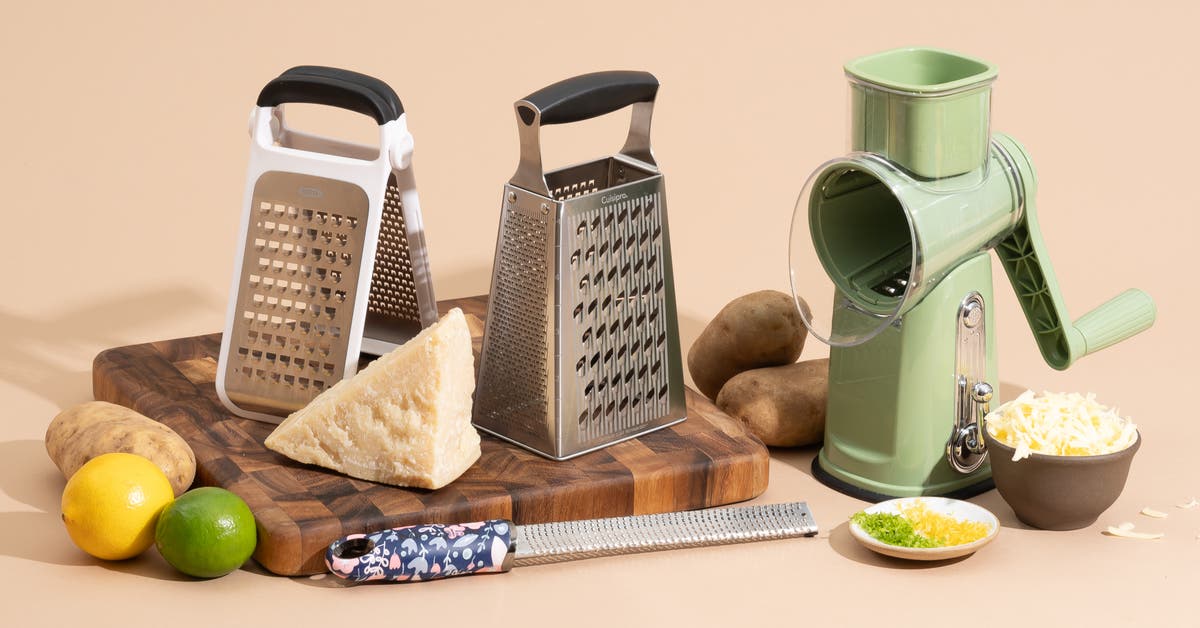
Rotary vs. Flatbed: The Core Difference
When looking at cheese graters, you'll encounter two main types: rotary and flatbed. Rotary graters, with a rotating drum and interchangeable blades, excel at volume. They're fantastic for grating large quantities of cheese for a party or prepping for a big meal. Consistent shreds are another plus.
Rotary graters can be a pain to clean. Little crevices trap cheese, and disassembling them for a thorough wash is time-consuming. Flatbed graters, the classic box-style, offer more control. You have a direct feel for the cheese and the shredding process. They're also generally easier to clean.
For a quick weeknight dinner needing a cup of cheddar, a flatbed grater works well. If you're making lasagna for a crowd, a rotary grater will save time and effort. There’s no single "best" type – it depends on your needs and how often you grate cheese.
Amazon's Best Sellers: A 2026 Roundup
Amazon's best-selling cheese graters offer a snapshot of what people are actually buying. It's not always about the fanciest features; often, it's about value and reliability. The Cuisinart Boxed Grater consistently ranks high, praised for its sharp stainless steel blades and sturdy construction. It's a classic for a reason.
The Zyliss Rotary Cheese Grater is also a popular choice. People appreciate its comfortable grip and the ease with which it grates both hard and soft cheeses. It's a good option if you have some hand strength issues, as it requires less pressure than a flatbed. Some users mention it can be tricky to clean thoroughly.
For a budget-friendly option, the Utopia Kitchen Box Grater gets consistently good reviews. It’s a simple, no-frills grater that gets the job done. While the blades aren’t quite as refined as more expensive options, it’s a solid choice for occasional use. The Microplane Fine Grater is a standout for hard cheeses like parmesan and nutmeg—it's not a traditional 'shredder' but deserves a mention.
The OXO Good Grips Box Grater is highlighted for its ergonomic design and non-slip base. The comfortable handle and stable base make it a pleasure to use, even when grating large quantities of cheese. The Vollrath 577801 Box Grater is a workhorse, often found in professional kitchens, built to last. The Presto 02910 SaladShooter Grater is popular for its speed and versatility—it can handle cheese, vegetables, and more.
The 5 Best Cheese Graters for Effortless Shredding in 2026

NSF Restaurant Certified · Comfortable Handle · Easy-to-Clean Drum
Its restaurant certification and comfortable design make it a reliable choice for various grating tasks.

Stainless Steel Blade · Versatile for Zesting and Fine Grating · Ergonomic Handle
This grater excels at creating fine shreds and zest, making it indispensable for adding intense flavor to dishes.

Good Grips Non-Slip Handle · Rotary Design · Comfortable to Hold
The ergonomic handle provides a secure and comfortable grip, simplifying the grating process.

Ratchet Mechanism for Effortless Grating · Efficient Shredding · Durable Construction
Its unique ratchet action makes grating significantly easier and more efficient, especially for larger quantities.

Multiple Grating Surfaces · Sturdy Construction · Stable Base
This versatile box grater provides different shredding options in one convenient tool, making it a kitchen staple.
As an Amazon Associate I earn from qualifying purchases. Prices may vary.
Beyond Cheddar: Graters for Specialty Cheeses
While a standard box grater is versatile, some cheeses benefit from a specialized tool. For hard cheeses like parmesan or Pecorino Romano, a microplane is a game-changer. It creates a super-fine, fluffy texture perfect for finishing dishes or adding to sauces. A good microplane makes all the difference in the flavor of cacio e pepe.
For mozzarella and other semi-hard cheeses, a box grater with a medium-sized hole is ideal. It creates shreds substantial enough to hold their shape but still melt easily. For softer cheeses like feta or goat cheese, grating isn’t always the best option. Crumbling often yields a better texture and prevents the cheese from becoming mushy.
For feta, crumbling with fingers often works best. It seems to hold its shape and flavor better. With experimentation, you'll find the best grating solution for each of your favorite cheeses. Try different tools and techniques.
Cleaning & Care: Keeping Your Grater Sharp
Cleaning cheese graters is rarely a fun task. Cheese tends to cling to everything. For flatbed graters, a stiff brush and hot, soapy water work well. Be careful not to cut yourself on the blades! For rotary graters, disassemble as much as possible and wash each component separately. A small brush can help get into tight spaces.
Dishwasher safety varies by grater, so check the manufacturer’s instructions. Avoid abrasive cleaners, as they can dull the blades over time. Gentle soap and warm water are usually sufficient. Rinse the grater immediately after use to prevent cheese buildup.
Sharpening graters can be tricky. Most home cooks find it easier to replace a dull grater rather than attempt to sharpen it. If you want to try sharpening, a honing steel can help realign the blades, but it won’t restore a completely dull edge. Knowing when to replace a grater is key to maintaining efficiency and safety.
The Spruce Eats' Top Picks: Tested & Reviewed
The Spruce Eats’ testing highlighted blade sharpness and ergonomics. Their top pick, the OXO Good Grips Box Grater, impressed testers with its comfortable handle and stable base. They found it easy to use, even when grating large quantities of cheese, and the non-slip base kept it securely in place.
They also praised the Microplane Fine Grater for its exceptional performance with hard cheeses. Testers noted that it created a consistently fine, fluffy texture perfect for finishing dishes. While it’s not a traditional shredder, it’s an essential tool for any cheese lover. Consistent quality and durability stood out in their testing.
undefined to rinse clean, while the Microplane required a bit more attention to detail. Ultimately, their recommendations emphasize the value of investing in a well-made grater that will last for years.
Gratings Gone Wrong: Troubleshooting Common Issues
Cheese sticking to the grater is a common frustration. One solution is to lightly oil the grater with cooking spray before use. This creates a non-stick surface that helps the cheese slide through more easily. Another issue is uneven shreds. This can happen if the cheese is too soft or if the grater blades are dull.
If you’re struggling with dull blades, it’s probably time for a new grater. Trying to force cheese through a dull grater is not only frustrating but also dangerous. Always prioritize safety when using a cheese grater. Keep your fingers clear of the blades and use a firm, steady grip.
Finally, if you find that your cheese is crumbling instead of shredding, it may be too cold. Let it sit at room temperature for a few minutes before grating. A little warmth can make all the difference. And remember, if you're ever unsure about a technique, start slow and be careful.
Standout Graters: Worth a Closer Look
While the Amazon best-sellers offer a great starting point, a few other graters deserve a mention. The Bellemain Adjustable Stainless Steel Rotary Grater is notable for its adjustable blades, allowing you to choose between coarse, medium, and fine shreds. It’s a versatile option for those who like to have control over the texture of their cheese.
The Trudeau Structure Grater is another standout, praised for its sleek design and comfortable grip. It’s a stylish and functional addition to any kitchen. It’s a bit more expensive than some of the other options, but the quality and design are worth the investment for those who appreciate a well-made tool.
Featured Products

Durable rust-proof stainless steel construction · Ergonomic handle for comfortable grip · Versatile for cheese, chocolate, spices, and citrus zest
This flat handheld grater is a budget-friendly option for everyday tasks, offering reliable performance for various ingredients.
Ultra-sharp 18/8 stainless steel blades · Ergonomic, non-slip handle for control · Ideal for hard cheeses, citrus zest, ginger, garlic, and nutmeg
Renowned for its exceptional sharpness, the Microplane zester delivers effortless grating, producing fine, consistent shreds perfect for delicate flavors.
Rotary design for efficient grating · Comfortable, non-slip grip · Includes coarse and fine grating options
The OXO Good Grips Rotary Grater offers a comfortable and efficient way to grate cheese, with interchangeable drums for different textures.
Four-sided box grater design · Durable stainless steel construction · Includes coarse, fine, slicing, and ribbon grating surfaces
A classic kitchen staple, the Cuisinart Box Grater provides multiple grating options in one compact tool, making it a versatile choice for various culinary needs.
As an Amazon Associate I earn from qualifying purchases. Prices may vary.


No comments yet. Be the first to share your thoughts!