

Taleggio cheese budget
Taleggio sits in a mid-tier price bracket that reflects its labor-intensive production. While it is generally more expensive than mass-market brie, it typically costs less than aged hard cheeses like Parmigiano-Reggiano. Expect to pay between $10 and $20 per pound, depending on whether you buy a wedge from a local cheesemonger or a pre-packaged portion at a grocery store.
The price difference usually comes down to age and origin. Younger wheels, aged for just 35 to 40 days, are milder and often cheaper. Older wheels, which develop stronger, meatier flavors, command a premium. Imported Italian versions with PDO certification also cost more than domestic copies that mimic the style but lack the specific terroir of the Val Taleggio region.
Because Taleggio is a washed-rind cheese, it has a shorter shelf life than hard cheeses. This perishability limits large-scale distribution, keeping supply tight and prices stable rather than volatile. When shopping, you are paying for a fresh, living product rather than a shelf-stable commodity. Buying in smaller quantities ensures you get the best texture before the rind becomes too slimy or the interior turns overly oozy.
Taleggio cheese options for your cheese board
Taleggio is a semi-soft washed-rind cheese from the Val Taleggio region in northern Italy. It is characteristically aromatic yet mild in flavor and features tangy, meaty notes with a fruity finish. The texture is moist-to-oozy, offering a pleasant melt-in-the-mouth feel that makes it distinct from harder Italian cheeses.
When shopping for Taleggio, you will find several reputable producers. The differences often come down to the aging process and the specific milk source used. Below is a comparison of the strongest Taleggio options available, focusing on texture and flavor profile to help you choose the right wedge for your board.
| Brand | Texture | Flavor Profile | Best Use |
|---|---|---|---|
| Casei di Bormio | Soft, creamy | Earthy, fruity | Melting over vegetables or toasted bread |
| Valbona | Semi-soft, elastic | Mild, tangy | Slicing for charcuterie boards |
| Taleggio DOP (Generic) | Moist, oozy | Strong aroma, mild taste | General cheese board pairing |
Casei di Bormio
Casei di Bormio produces a Taleggio with a notably soft and creamy texture. The flavor profile is earthy and fruity, making it an excellent choice if you plan to melt the cheese over vegetables or a toasted baguette. Its consistency allows it to spread easily, bridging the gap between a soft cheese and a dip.
Valbona
Valbona’s version offers a semi-soft, elastic texture that holds its shape better than other varieties. The flavor is milder and tangier, which makes it a safe and versatile option for slicing. It pairs well with nuts and fruits on a charcuterie board without overpowering the other items.
Generic Taleggio DOP
Many brands offer Taleggio DOP, ensuring it comes from the designated region. These cheeses typically have a moist, oozy texture with a strong aroma but a mild taste. They are a reliable, general-purpose choice for any cheese board, offering the classic Taleggio experience without specific brand nuances.
Inspect the expensive parts
Taleggio and Romano are pricier than the Brie they often replace, so a quick inspection prevents expensive mistakes. Focus your attention on the rind, the texture, and the packaging integrity. These are the failure points that turn a premium cheese into a waste of money.
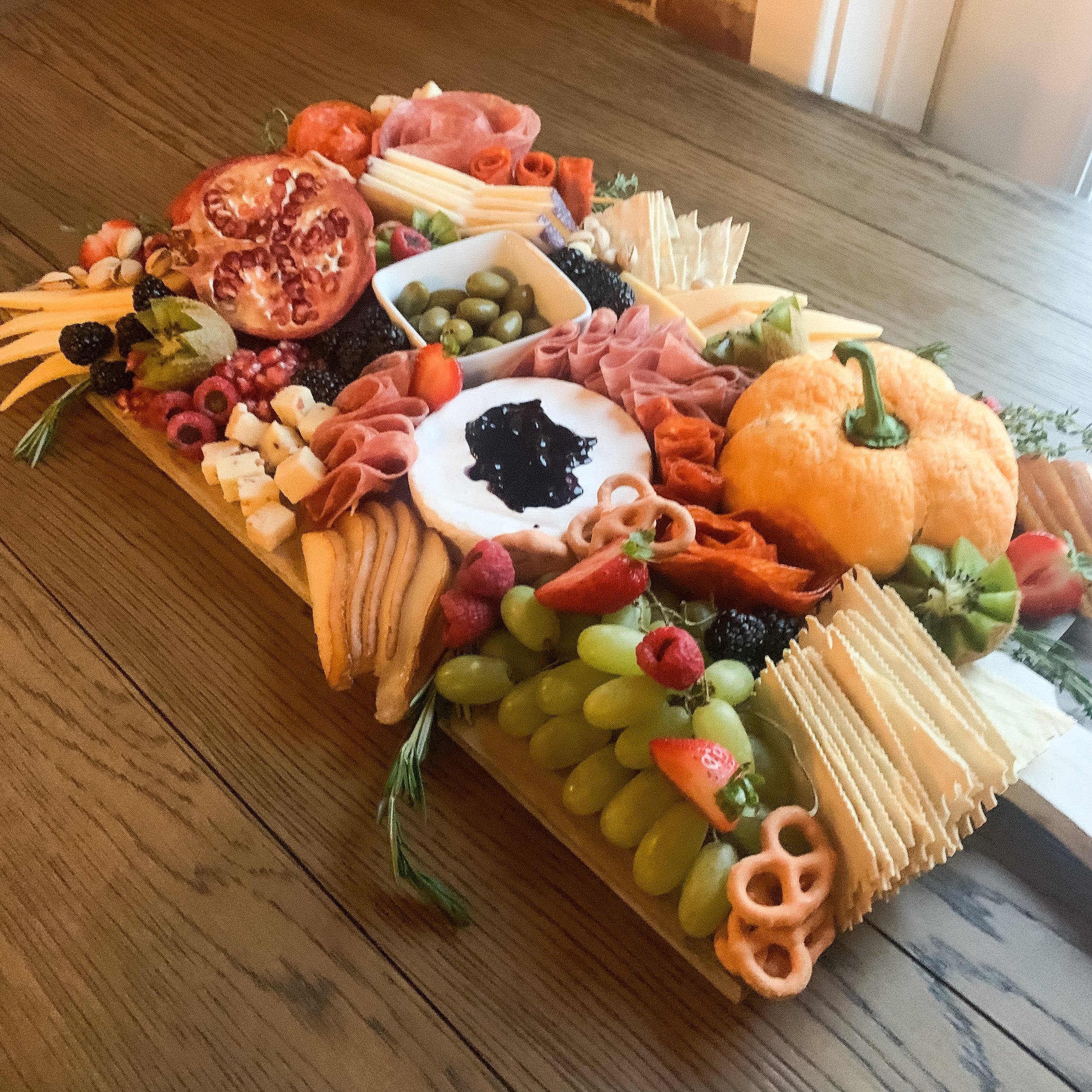
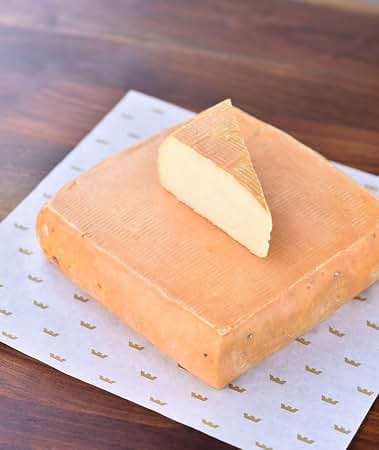
Taleggio is a washed-rind cheese, meaning its surface should look slightly moist and orange-pink. If the rind appears dry, cracked, or covered in fuzzy blue or black spots, the cheese has spoiled. The rind is edible and adds to the flavor profile, so it must be intact and pliable, not brittle.
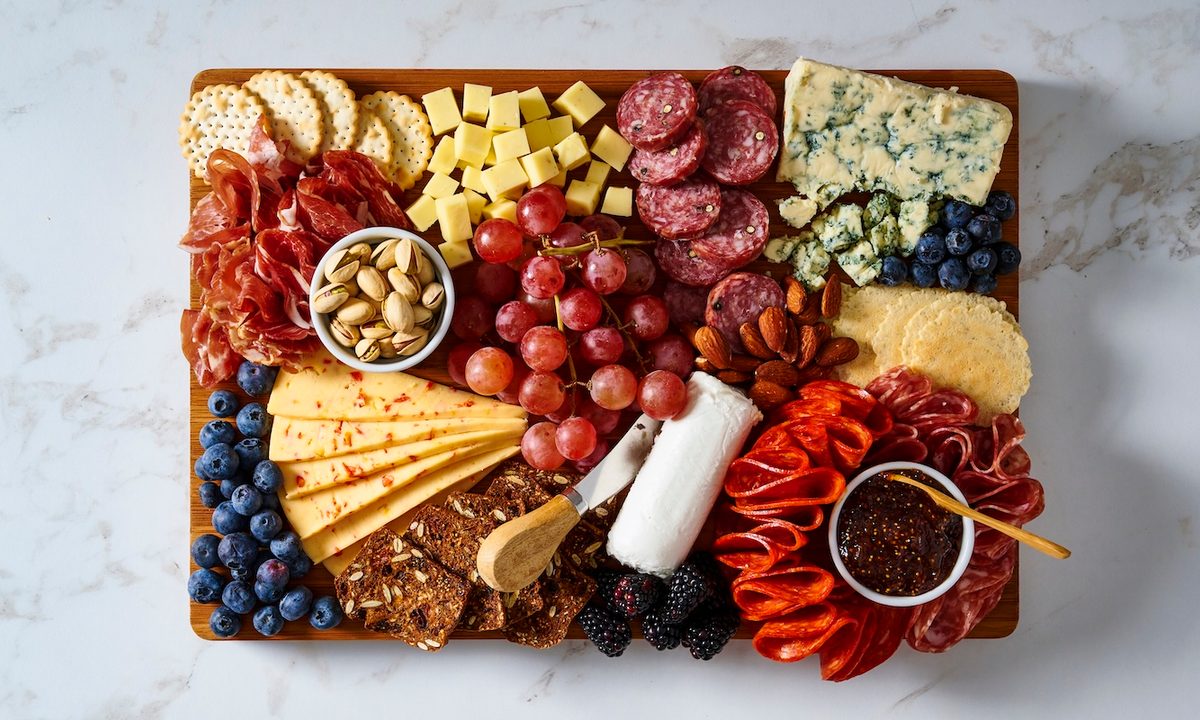
Gently press the cheese with a finger or a knife. Taleggio should yield easily, feeling soft and spreadable, almost like a thick cream. If it feels hard or rubbery, it has dried out. If it is oozing liquid or feels slimy, it has broken down and should be discarded.

A strong, pungent aroma is normal for Taleggio, but it should smell of mushrooms, yeast, or earth. If you detect a sharp chemical scent like ammonia, the cheese is over-ripened. Romano will have a sharper, saltier smell, but never a sour or putrid odor.
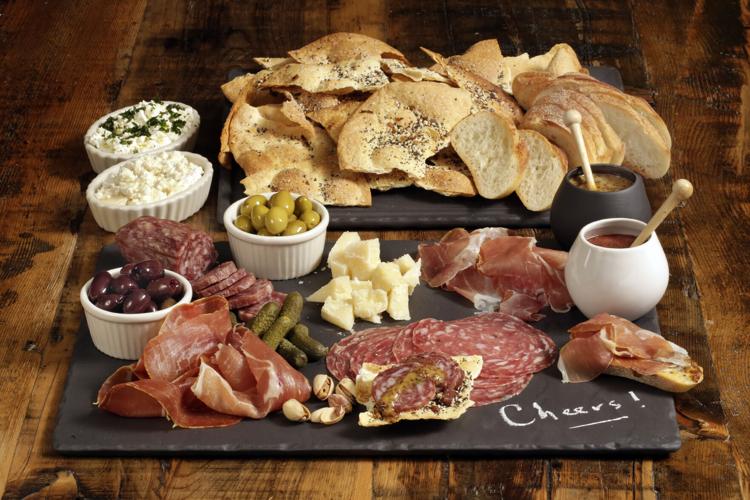
If buying pre-packaged Taleggio, ensure the vacuum seal is tight and the plastic is not bloated. Bloating indicates bacterial growth. For loose wedges, check that the cheese was stored cold and wrapped in cheese paper or wax paper, not just loose plastic, which can cause it to sweat and spoil faster.
Ownership costs for Taleggio and Romano
Buying a wedge of Taleggio or Romano might look like a bargain at the register, but the real cost comes down to how quickly these cheeses change once you cut them. Unlike hard, aged cheeses that last for weeks, washed-rind Taleggio and semi-soft Romano are living products with short windows of peak quality.
Taleggio is particularly unforgiving. Its washed-rind nature means the cheese continues to breathe and break down in the fridge. If you buy a large wedge and only use half, the exposed interior dries out or becomes overly pungent within 48 hours. You aren't just paying for the cheese; you are paying for the risk of spoilage if you can't finish it quickly. This is why buying smaller, pre-cut portions is often cheaper in the long run than buying a bulk wedge that goes bad.
Romano, while harder, still has a maintenance cost. Once grated or sliced, it loses its protective rind barrier and begins to dry out rapidly. A bag of pre-grated Romano might seem convenient, but it often turns into dusty, flavorless plastic-wrapped regret within a week. Buying a block and grating it yourself preserves the flavor longer, but you must store it in an airtight container with a damp paper towel to maintain moisture without encouraging mold.
When a cheap buy stops being cheap
The "cheap buy" trap usually happens when you select a cheese based on price per pound rather than price per usable ounce. A $10 wedge of Taleggio that yields only two good servings costs more per serving than a $15 wedge that yields five. Always calculate based on how much you will actually eat before the texture degrades.
For Taleggio, the ideal purchase is a small wedge that you can finish in one or two sittings. For Romano, buy the whole block only if you have a plan to use it within a week. If you find yourself frequently throwing away spoiled cheese, your "savings" are actually a net loss. The goal is to match the purchase size to your consumption speed, not just the lowest shelf price.


As an Amazon Associate, we may earn from qualifying purchases.
Taleggio cheese: what to check next
Taleggio is the cheese that demands a bit of courage. Its washed-rind history means it smells louder than it tastes, offering a tangy, meaty punch that melts into a creamy finish. If you are swapping it for Brie or Romano, here are the practical answers to the most common questions.
No comments yet. Be the first to share your thoughts!